(440) 307-2060
The Ultimate Guide to Shingles on Roofs: Everything Homeowners Should Know
Key SEO terms: shingles on roof, roof shingles types, roof shingle materials, shingle installation, asphalt shingles, wood shingles, metal shingles, slate shingles, composite shingles
Table of Contents
- What Are Roof Shingles?
- Main Types of Roof Shingles
- Asphalt (Three‑Tab, Architectural, Luxury)
- Wood (Shingles & Shakes)
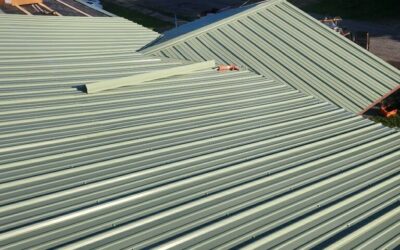
- Metal Shingles
- Slate Shingles
- Composite and Synthetic Shingles
- Rubber and Plastic Shingles
- Solar Shingles
- Comparing Performance & Lifespan
- Cost Comparison & Value
- Key Selection Factors
- Installation Essentials
- Pro Tips: Maintenance & Longevity
- Common Pitfalls & Mistakes to Avoid
- Roof Shingle Color & Style Guide
- FAQs About Roof Shingles
- Conclusion: Best Shingle for Your Home
1. What Are Roof Shingles?
Roof shingles are overlapping roofing elements—typically flat or shaped—that cover residential and light commercial roofs. They protect dwellings against rain, sun, and wind, while also contributing to curb appeal. Most shingles fall into categories like asphalt, wood, metal, slate, composite, or solar types.
Materials matter: for example, asphalt shingles are built on fiberglass or organic mats coated with asphalt and topped with granules to block UV rays. (Wikipedia, roddroofing.com, Roof Revivers, Timothy Parks Roofing & Construction Inc, Southern Living)
2. Main Types of Roof Shingles
A. Asphalt Shingles
Most popular due to affordability, variety, and availability.
- Three‑Tab (Strip) Shingles
Uniform, flat, economical—typically lasting 15–20 years. Best for budget-conscious homeowners. (Timothy Parks Roofing & Construction Inc) - Architectural (Dimensional/Laminated) Shingles
Thicker, layered with shadow depth, offering better wind resistance and longer lifespan (20–30+ years). (Roofing Nation) - Luxury Shingles
High-end asphalt designed to mimic slate or cedar shake, often with 50‑year warranties and top durability. (Timothy Parks Roofing & Construction Inc)
Benefits:
- Wide color/style range
- Moderate cost
- Easy installation and repair
- Fire- and wind-resistance (with proper installation) (roddroofing.com, The Home Depot)
B. Wood Shingles & Shakes
- Shingles: Machine-cut, smoother, consistent.
- Shakes: Hand-split for rustic, uneven texture.
Made from cedar, redwood, pine—eco-friendly and naturally insulating, but require high maintenance. Lifespan of 20–50 years with proper upkeep. (Stronghold Roofing & Solar, roddroofing.com, Angi)
Pros: natural beauty, good insulation, biodegradable
Cons: higher cost, fire risk unless treated, pests and rot, frequent upkeep
C. Metal Shingles
Engineered from aluminum, steel, or copper to mimic traditional shingle aesthetics. Extremely long-lasting (40–70+ years), fire-resistant, lightweight, and energy-efficient. (Stronghold Roofing & Solar)
Pros:
- Reflective and eco‑friendly
- Minimal maintenance
- Weather‑resistant (wind, hail, fire)
Cons:
- Higher upfront cost
- Specialized installation
- Noise during rain/hail unless under‑insulated (Homes and Gardens, Southern Living, Summit Roofing & Restoration)
D. Slate Shingles
Natural stone that offers elegant, upscale appearance and unbeatable durability—lifespan of 60–150 years. (Angi)
Pros: luxurious look, fire proof, minimal maintenance
Cons: very expensive, heavy (structural reinforcement likely needed)
E. Composite & Synthetic Shingles
Made from polymers or recycled materials, designed to imitate slate, wood, or tile. Light, durable, and resistant to mold and impact. Lifespan typically 30–50 years. (Capstone Roofing)
Pros: eco‑friendly, varied styles, low maintenance
Cons: quality can vary, price above standard asphalt
F. Rubber & Plastic Shingles
Often recycled tire rubber or plastic blends. Lightweight and hail‑resistant, they mimic slate or shake aesthetics. Lifespan ~30+ years. (Wikipedia, Dane Roofing)
Pros: impact-resistant, eco‑friendly
Cons: limited style, potential UV fading, fewer installers
G. Solar Shingles
Also known as PV shingles, these generate electricity while functioning as roofing material. Though more expensive, they integrate solar benefits without panels. Lifespan comparable to standard shingles (~20–30 years). (Stronghold Roofing & Solar)
Pros: energy generation, aesthetic integration
Cons: high cost, specialized install, complex repairs
3. Comparing Performance & Lifespan
| Shingle Type | Typical Lifespan | Wind Resistance | Fire Rating | Maintenance |
|---|---|---|---|---|
| Asphalt (3‑Tab) | 15–20 years | Moderate (basic) | Class C/B typical | Low–moderate |
| Asphalt (Architectural) | 20–30 years ↑ | Up to 110–130 mph | Class A with underlayment | Low–moderate |
| Luxury Asphalt | 30–50 years | High (Class 4 options) | Class A | Low |
| Wood Shingles/Shakes | 20–50 years (if maintained) | Moderate | Variable (treatments) | High |
| Metal Shingles | 40–70+ years | Excellent (>130 mph) | Class A | Very low |
| Slate | 60–150 years | Excellent | Naturally Class A | Very low |
| Composite/Synthetic | 30–50 years | High | Often Class A | Low |
| Rubber/Plastic | 30+ years | High (impact-resistant) | Class A typical | Low–moderate |
| Solar Shingles | 20–30 years | Variable | Typically Class A | Moderate |
Longevity factors: material quality, installation craftsmanship, local climate, ventilation, and routine maintenance all influence actual life span. (Roofing Nation, Better Homes & Gardens, Wikipedia, Bob Vila, The Spruce, Wikipedia, Capstone Roofing, Summit Roofing & Restoration)
4. Cost Comparison & Value
Costs vary by material, region, roof complexity, and installer:
- Asphalt 3‑Tab: Lower cost (~$1–1.50/sq‑ft installed).
- Architectural Asphalt: Mid‑range (~$1.50–2.50/sq‑ft).
- Luxury Asphalt: Premium (~$2.50–4.00/sq‑ft).
- Wood: $3–5/sq‑ft depending on species.
- Metal Shingles: $4–8/sq‑ft.
- Slate: $7–15/sq‑ft or more.
- Composite/Rubber: $3–6/sq‑ft.
- Solar Shingles: $10+ per sq‑ft installed.
While asphalt offers the lowest upfront cost, premium materials often deliver better long-term value through extended lifespan, lower maintenance, and improved home resale value.
5. Key Selection Factors
When choosing shingles for your roof, consider:
A. Local Climate & Weather Exposure
- Hail or high winds? Choose Class 4 impact‑ or wind‑rated shingles or metal/slate.
- Fire-prone zones? Use Class A fire-rated shingles (asphalt with proper underlayment, metal, slate). (Better Homes & Gardens, Wikipedia, roddroofing.com, The Home Depot, Roof Revivers, Capstone Roofing, Bob Vila)
B. Home Architectural Style
- Historic or rustic homes pair well with wood or slate.
- Suburban colonial or craftsman styles often suit architectural asphalt.
C. Budget & Long-Term Value
- Asphalt is often most affordable upfront.
- Metal, slate, and high-end composites may yield better longevity.
D. Slope & Structural Considerations
- Heavier materials like slate or concrete require roof structure reinforcement.
- Steeper slopes affect shingle choice and visibility from street. (Angi, Southern Living)
E. Color and Aesthetic
- Lighter colors improve heat reflectance; darker tones sit well with cooler climates.
- Undertones matter—ensure compatibility with siding, trim, and trim materials. (Wikipedia)
6. Installation Essentials
Proper installation maximizes performance, warranty adherence, and lifespan.
Pre-Installation
- Inspect roof deck (plywood or OSB recommended).
- Ensure proper attic ventilation and insulation are in place.
- Confirm flashing, drip edges, and underlayment materials meet code.
Core Installation Steps
- Install ice and water barrier at eaves and valleys if needed.
- Lay starter course of shingles along eaves/rakes.
- Install main shingles with proper overlap and fastener placement as per manufacturer.
- Add ridge caps, vent systems, and flashing around penetrations.
Key Tips
- Use specified nails and placement patterns—both overdriving and underdriving fasteners void warranties.
- Incorporate synthetic underlayment and high‑quality flashing in high‑wind/fire zones.
- Hire installers experienced with the specific shingle system—mixed components may void coverage. (Roofing Craftsmen, Roofing Nation)
7. Pro Tips: Maintenance & Longevity
Periodic upkeep ensures maximum life from shingles:
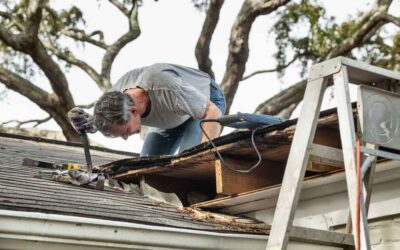
- Inspect annually, especially after storms. Replace damaged shingles promptly.
- Clean gutters and roof valleys to prevent water backup.
- Treat for algae/moss on shaded surfaces or north-facing slopes.
- Trim overhanging branches to reduce physical damage and debris accumulation.
- Check flashing and seals around chimneys, vents, and valleys.
Consider radiant barrier or cool/shingle color strategies to improve attic temperature control and reduce heat load. (Better Homes & Gardens, Timothy Parks Roofing & Construction Inc)
8. Common Pitfalls & Mistakes to Avoid
- Choosing shingles based solely on price without considering long-term durability.
- Ignoring local climate codes (e.g., wind, fire, hail).
- Mixing mismatched shingle components from different manufacturers.
- DIY installation without experience—a small error can void warranties.
- Skipping attic ventilation or underlayment upgrades—leading to accelerated wear or ice dams. (Better Homes & Gardens)
9. Roof Shingle Color & Style Guide
From Southern Living experts: shingles should enhance your home, not overshadow it. Color and texture should harmonize with the home’s façade. (Southern Living)
Style & Color Tips:
- Match warm tone shingles with warm siding; pair cool grey shingles with cool exteriors.
- Consider subtle contrasts rather than dramatic.
- Test shingle samples in natural light at eye level.
- Avoid trendy colors that may clash with long-term exterior design elements. (Southern Living)
10. FAQs About Roof Shingles
Q: Which shingle type lasts the longest?
A: Slate significantly outlasts all others (60–150 years), followed by metal (40–70), high-end composites (30–50), and architectural asphalt (20–30).
Q: Are premium shingles worth the extra cost?
A: If you plan to stay long-term or want better resale value, wind/fire resistance, or lower maintenance, premium shingles offer strong ROI.
Q: Can I install asphalt shingles myself?
A: While tempting for DIYers, proper installation is critical for performance and warranty—professional installation is strongly recommended.
Q: How do I prevent ice dams?
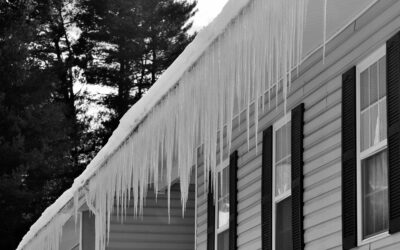
A: Ensure proper insulation, ventilation, and use ice/water barriers in vulnerable zones. Metal drip edge or ridge cap can also help. (Wikipedia)
Q: Does shingle color affect energy efficiency?
A: Yes—lighter colors reflect more heat and reduce cooling costs. Some shingle lines offer “cool roof” granules for this purpose. (Wikipedia, Wikipedia)
11. Conclusion: Best Shingle for Your Home
Selecting the right shingles on roof depends on balancing aesthetics, performance, budget, and climate considerations.
- For budget-conscious homeowners, 3‑tab or architectural asphalt shingles offer great value.
- For premium curb appeal and long lifespan, luxury asphalt, composite, metal, or slate may be ideal.
- For eco-friendly or energy-efficient solutions, consider reflective shingles, cool colors, composites, or metal.
- In areas prone to fire, wind, or hail, opt for Class A fire ratings and Class 4 impact/wind resistance.
Proper planning, contractor selection, and maintenance will ensure a roof that protects, performs, and enhances your home for decades.
Would you like help narrowing your choices based on your local climate or architectural style? I can also assist with color visualizers, installer recommendations, or shingle cost estimates for your region.