Understanding the 7/12 Roof Pitch: Benefits, Challenges, and Costs
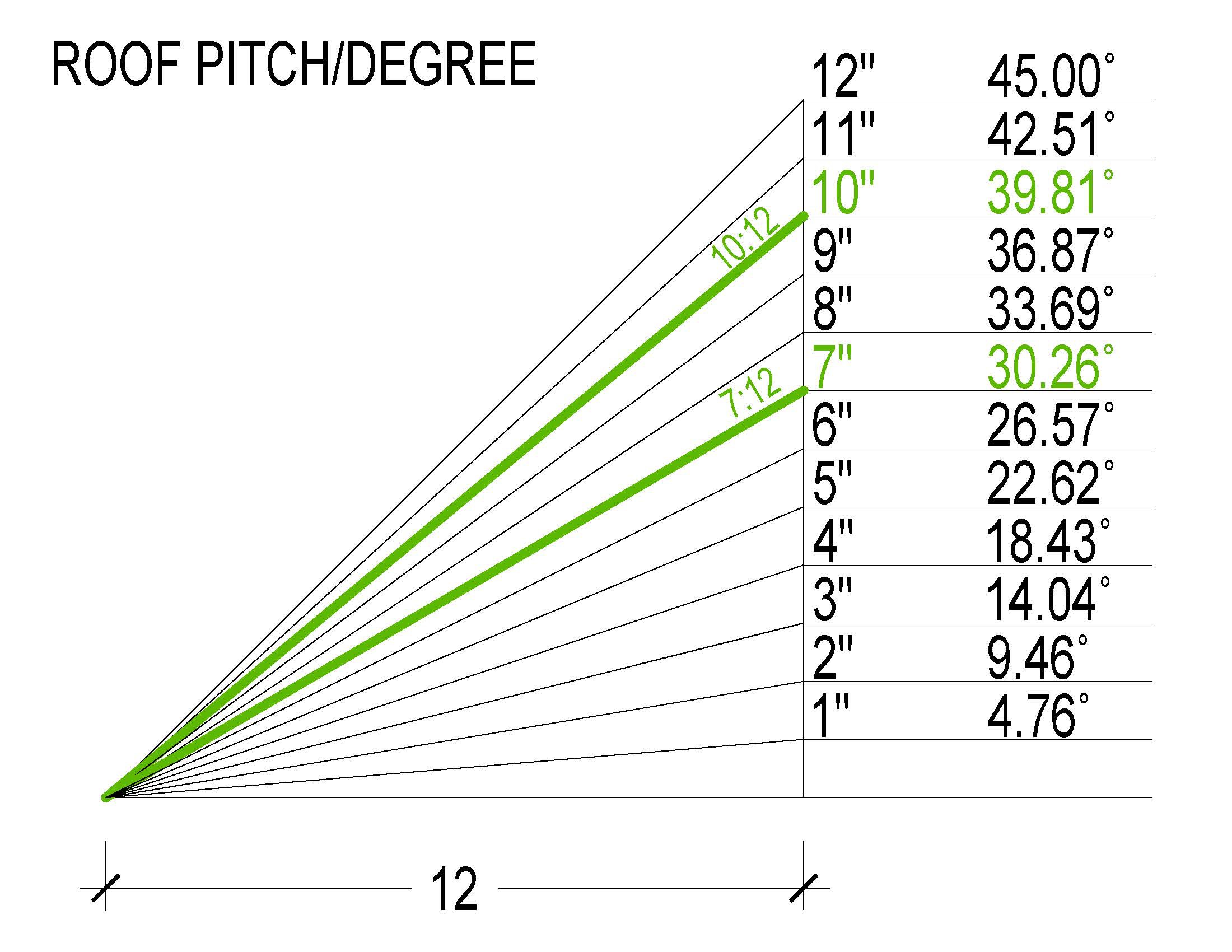
The 7/12 roof pitch is a popular choice in residential and commercial roofing, offering a balance between steep and shallow slopes. This pitch indicates that for every 12 horizontal inches, the roof rises by 7 inches. In this comprehensive guide, we’ll explore the benefits, challenges, suitable materials, and cost implications of a 7/12 roof pitch.
A 7/12 roof can require additional safety equipment, labor, roof measurements, and installation planning compared with a lower-slope roof.
S&K Construction And Remodeling LLC provides roof inspections, asphalt shingle roof replacement, storm damage inspections, roof repair, and roofing estimates throughout Northeast Ohio.
Schedule a free roof inspection and estimate today.
What is a 7/12 Roof Pitch?
Roof pitch refers to the steepness or slope of a roof, typically measured as a ratio. A 7/12 pitch means that for every 12 inches of horizontal run, the roof rises 7 inches. This classification is considered moderate to steep, offering advantages in durability, aesthetics, and drainage efficiency.
Benefits of a 7/12 Roof Pitch
1. Efficient Water and Snow Drainage
A steeper slope allows water and snow to shed more efficiently, reducing the risk of pooling and potential damage. This makes it ideal for regions with heavy rainfall or snowfall, such as Northeast Ohio, where S&K Construction And Remodeling LLC operates.
2. Aesthetic Appeal
Homes and buildings with a 7/12 pitch often appear more visually appealing due to their defined rooflines. This pitch works well with various architectural styles, enhancing curb appeal and potentially increasing property value.
3. Reduced Risk of Leaks
Since water runs off quickly on a steeper slope, the likelihood of leaks and moisture damage is significantly lower than with flatter roofs.
4. Suitable for Attic Space
A 7/12 roof pitch offers enough height for attic storage or even conversion into additional living space, maximizing the usable area of a home.
5. Longer Lifespan for Roofing Materials
Because debris and moisture don’t accumulate easily, roofing materials tend to last longer, reducing maintenance and replacement costs over time.
Challenges of a 7/12 Roof Pitch
1. Higher Installation Costs
Steeper roofs require specialized equipment and additional safety measures during installation, increasing labor costs.
2. More Difficult Maintenance
Routine maintenance, such as gutter cleaning or shingle replacement, can be more challenging and may require professional assistance due to the roof’s steepness.
3. Increased Material Costs
Depending on the design, a 7/12 pitch may require more materials than a lower-pitched roof, adding to overall expenses.
What Does a 7/12 Roof Pitch Mean?
A 7/12 roof pitch means that for every 12 inches of horizontal distance, the roof rises 7 inches vertically.
Roof pitch is one of the factors roofing contractors use when measuring a roof, calculating material requirements, planning safety equipment, and estimating roof replacement labor.
A higher first number means a steeper roof. For example, a 7/12 roof is steeper than a 4/12 or 6/12 roof but less steep than an 8/12, 10/12, or 12/12 roof.
Is a 7/12 Roof Considered Steep?
A 7/12 roof is considered a steep roof for roofing safety purposes.
Steeper roofs require additional attention to fall protection, material handling, crew movement, and installation procedures.
This is one reason a 7/12 roof can cost more to replace than a lower-sloped roof of similar size.
Can You Walk on a 7/12 Roof?
A 7/12 roof is steep enough that homeowners should not treat it like an easily walkable roof.
Roof surfaces can become extremely slippery from rain, frost, snow, algae, loose granules, dust, or morning moisture.
Professional roofing crews use appropriate fall protection and safety equipment when working on steep roofs.
Homeowners should avoid attempting to inspect or repair a 7/12 roof themselves and should have suspected damage inspected by a qualified roofing professional.
Is a 7/12 Pitch Good for Asphalt Shingles?
Yes. A 7/12 roof is well within the slope range commonly used for asphalt shingle roofing.
Because the pitch is greater than 4/12, it does not fall into the special 2/12-to-4/12 low-slope underlayment category addressed by Ohio residential roofing provisions.
The roofing system should still be installed according to the shingle manufacturer’s requirements and applicable building requirements.
Does a 7/12 Roof Shed Water Well?
A 7/12 roof generally provides effective water drainage because its slope allows rain to move quickly toward the eaves and gutters.
However, roof pitch alone does not prevent leaks.
Proper shingles, flashing, valleys, underlayment, drip edge, pipe boots, roof decking, and installation all play important roles in keeping water out of the home.
Is a 7/12 Roof Good for Snow?
A 7/12 pitch can help snow move off the roof more easily than a shallow roof.
However, snow does not automatically slide off every 7/12 roof.
Snow accumulation depends on temperature, roofing material, wind, sun exposure, roof orientation, snow depth, and ice conditions.
Northeast Ohio homes can still experience snow buildup and ice dams regardless of roof pitch.
Can a 7/12 Roof Get Ice Dams?
A steep roof does not eliminate ice dams.
Ice dams often develop when heat escaping from the home melts snow on the upper portion of the roof and that water refreezes near colder eaves.
Attic insulation, air sealing, ventilation, outdoor temperatures, snow accumulation, and roof design all affect ice dam formation.
Does a 7/12 Roof Cost More to Replace?
A 7/12 roof can cost more to replace than a lower-sloped roof because roofing crews may require additional fall protection, staging, setup, and installation time.
Roof replacement cost also depends on:
Total roofing squares
Number of existing layers
Shingle type
Roof height
Roof access
Valleys
Dormers
Chimneys
Roof decking
Flashing
Ventilation
Storm damage
The pitch is important, but it is only one part of the final roof replacement estimate.
Does a 7/12 Roof Use More Shingles?
A steeper roof has more surface area than a lower-pitched roof covering the same building footprint.
That means a 7/12 roof can require more shingles and other roofing materials than a lower-slope roof on a similarly sized house.
This is why contractors measure the actual roof surface rather than calculating roof replacement cost using only the square footage of the home.
7/12 Roof Pitch vs 4/12 Roof Pitch
A 7/12 roof is considerably steeper than a 4/12 roof.
Both pitches can work well with asphalt shingles when the roofing system is installed correctly.
A 7/12 roof generally sheds water and snow more quickly but can require additional safety precautions and labor.
A 4/12 roof is easier to work on but has slower drainage and less roof surface area over the same building footprint.
Neither pitch automatically produces a better roof. Installation quality and the complete roofing system are more important.
7/12 Roof Pitch vs 6/12 Roof Pitch
A 7/12 roof is only moderately steeper than a 6/12 roof, and both are common residential roof pitches.
Both provide good drainage and work well with asphalt shingles.
The 7/12 roof may have slightly more roofing surface and can require more careful footing and fall protection during installation.
The actual difference in replacement cost depends much more on the overall roof design, height, facets, valleys, dormers, and accessibility.
7/12 Roof Pitch vs 8/12 Roof Pitch
An 8/12 roof is steeper than a 7/12 roof and normally has slightly more roof surface over the same building footprint.
Both slopes are considered steep roofs for roofing safety purposes.
As pitch increases, material handling, walking conditions, fall protection, and installation can become more difficult.
The roofing contractor should measure the actual roof rather than estimating cost based only on the pitch.
Does a 7/12 Roof Last Longer?
A 7/12 pitch provides good drainage and can reduce how long water and debris remain on the roofing surface.
However, roof lifespan depends on much more than pitch.
Shingle quality, installation, underlayment, flashing, ventilation, roof decking, storm exposure, attic conditions, and maintenance all affect how long the roofing system lasts.
A properly installed lower-pitched roof can outperform a poorly installed 7/12 roof.
What Roofing Materials Can Be Used on a 7/12 Roof?
A 7/12 roof can accommodate many common steep-slope roofing materials depending on the home and structural design.
These may include:
Asphalt shingles
Architectural shingles
Certain metal roofing systems
Wood shakes or shingles where appropriate
Slate or tile when the structure is designed to support them
For most Northeast Ohio residential homes, architectural asphalt shingles are one of the most common roofing options.
How Northeast Ohio Weather Affects a 7/12 Roof
A 7/12 roof can perform well in Northeast Ohio because the pitch helps move rain, melting snow, and other moisture toward the gutters.
However, Northeast Ohio homes still face lake-effect snow, high winds, freezing temperatures, ice, heavy rain, summer heat, and repeated freeze-thaw cycles.
A successful roofing system therefore depends on more than pitch.
Proper shingles, ice and water protection, underlayment, flashing, roof decking, ventilation, gutters, and installation all need to work together.
Common Problems We See on 7/12 Roofs in Northeast Ohio
Problems can include:
Missing shingles
Wind-damaged shingles
Ice dams
Damaged flashing
Valley leaks
Pipe boot leaks
Poor attic ventilation
Rotten roof decking
Storm damage
Improperly installed shingles
Leaking chimneys
Damaged ridge caps
Clogged gutters
Water intrusion
The 7/12 pitch itself is usually not the problem. Most roofing issues develop because of age, weather exposure, installation problems, damaged materials, or other components of the roofing system.
7/12 Roof Replacement in Northeast Ohio
S&K Construction And Remodeling LLC provides steep-slope roof inspections and roof replacement throughout Northeast Ohio.
We evaluate roof pitch, roofing squares, shingles, roof decking, flashing, ventilation, valleys, ridges, pipe boots, and other components before preparing a roof replacement estimate.
Whether your home has a 4/12, 6/12, 7/12, 8/12, or steeper roof, the replacement should be designed around the actual roof structure and conditions of the home.
We serve homeowners throughout Cleveland, Lake County, Ashtabula County, Geauga County, Trumbull County, Summit County, and surrounding Northeast Ohio communities.
Best Roofing Materials for a 7/12 Pitch
Choosing the right materials ensures durability and aesthetic harmony with your home. Common options include:
1. Asphalt Shingles
Asphalt shingles are one of the most popular choices due to affordability, durability, and ease of installation. Owens Corning shingles, in particular, are a trusted option and a specialty of S&K Construction And Remodeling LLC.
2. Metal Roofing
Metal roofing is highly durable, energy-efficient, and excellent at shedding snow and water. It provides a sleek, modern appearance while offering longevity.
3. Wood Shingles and Shakes
Wood roofing materials provide a natural and rustic aesthetic. They work well on steeper roofs but require regular maintenance to prevent mold and rot.
4. Slate and Tile Roofing
These premium materials offer exceptional longevity and durability but come at a higher cost and require professional installation due to their weight and fragility.
Cost Considerations for a 7/12 Roof Pitch
The cost of installing a 7/12 pitch roof varies based on factors such as material selection, labor, and regional pricing. Here’s a breakdown of the main cost components:
1. Material Costs
- Asphalt Shingles: $3 – $5 per square foot
- Metal Roofing: $5 – $14 per square foot
- Wood Shingles: $6 – $9 per square foot
- Slate or Tile: $10 – $30 per square foot
2. Labor Costs
Since a 7/12 pitch requires more safety precautions and labor-intensive work, labor costs tend to be higher than those for flatter roofs. Expect labor expenses to range from $2 – $5 per square foot, depending on the complexity of the job.
3. Additional Costs
- Underlayment and Insulation: Essential for weatherproofing and energy efficiency.
- Ventilation Systems: Crucial for maintaining airflow and preventing moisture buildup.
- Permits and Inspection Fees: Vary by location and building codes.
Need a Replacement Estimate for a 7/12 Roof?
A 7/12 roof provides good drainage but is steep enough that roof replacement requires proper safety equipment, measurements, materials, and installation planning.
S&K Construction And Remodeling LLC provides roof inspections, asphalt shingle roof replacement, roof repair, storm damage inspections, and roofing estimates throughout Northeast Ohio.
If your 7/12 roof is aging, leaking, missing shingles, storm damaged, or ready for replacement, schedule a free roof inspection and estimate today.