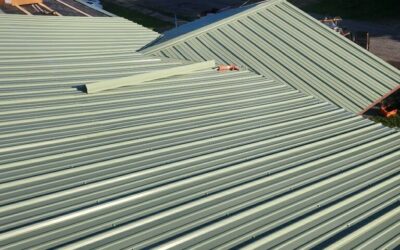
Replacing your roof isn’t something most homeowners plan for every year. In many cases, it only happens once or twice during the time you own your home. That’s why choosing the best time to replace a roof is just as important as choosing the right roofing material or contractor.
Some people wait until they notice a leak. Others put off replacing an aging roof because it still “looks okay” from the ground. Unfortunately, waiting too long can turn a manageable roofing project into an expensive emergency. Water damage, mold, damaged insulation, and rotting roof decking often begin long before visible signs appear inside the home.
For homeowners in Northeast Ohio, timing matters even more. Our region experiences heavy snowfall, freezing winters, spring storms, humid summers, and strong fall winds. These changing weather conditions can affect everything from installation schedules to how well roofing materials perform during replacement.
The good news is that you don’t have to guess.
Whether your roof is nearing the end of its lifespan or you’ve recently experienced storm damage, understanding when to schedule a replacement can help you avoid unexpected repairs, protect your home, and make the most of your investment.
In this guide, we’ll explain the best season for roof replacement, the factors that influence timing, and how homeowners across Northeast Ohio can decide when it’s time for a new roof.
Quick Answer: For most homeowners, fall is considered the best time of year to replace a roof because mild temperatures and stable weather create ideal conditions for installation. Spring is another excellent option, while summer and winter can still be suitable depending on weather conditions and the urgency of the project.
However, the calendar shouldn’t be the only factor guiding your decision.
If your roof has serious leaks, storm damage, missing shingles, or structural issues, it’s usually better to replace it as soon as possible rather than waiting for the “perfect” season. Delaying a necessary roof replacement often leads to more extensive damage and higher repair costs.
Why Timing Matters More Than Most Homeowners Think
Many homeowners believe that if a roof isn’t leaking, it can wait another year.
In reality, roofing problems often develop gradually. Moisture can work its way beneath damaged shingles, weaken the roof decking, and affect the insulation long before water stains appear on your ceiling.
Replacing your roof at the right time can help you:
- Prevent costly interior water damage
- Protect the structural integrity of your home
- Avoid emergency roofing expenses
- Improve your home’s energy efficiency
- Increase property value and curb appeal
- Prepare your home before severe weather arrives
Planning your roof replacement before major problems develop also gives you more flexibility when choosing materials, scheduling the project, and selecting a trusted roofing contractor.
What Is the Best Time to Replace a Roof?
There isn’t a single answer that works for every home.
The best time to replace your roof depends on several important factors, including your local weather, the condition of your current roof, the roofing material being installed, and whether the replacement is planned or required because of storm damage.
For homeowners in Northeast Ohio, mild temperatures and predictable weather generally provide the best environment for roof installation. Roofing materials install more efficiently when temperatures aren’t extremely hot or below freezing, allowing shingles and other roofing components to perform as intended.
That said, modern roofing products and experienced contractors can successfully complete roof replacements throughout much of the year. If your roof has reached the end of its lifespan or has suffered significant damage, waiting for a specific season isn’t always the best decision.
The safest approach is to replace your roof when its condition requires it, not simply when the calendar says it’s the “ideal” time.
The Best Time of Year to Replace a Roof
Many homeowners assume there’s only one “right” season for a roof replacement. In reality, every season has its own advantages and challenges.
The best choice depends on your roof’s condition, the local weather, and how urgently the work needs to be completed.
Let’s look at how each season affects a roofing project.
Spring Roof Replacement
Spring is one of the busiest times of the year for roofing projects.
After a long Ohio winter, homeowners often discover damage caused by snow, ice, freezing temperatures, or strong winds. Replacing a roof in spring allows these issues to be addressed before summer storms arrive.
Benefits of replacing your roof in spring
- Comfortable working temperatures
- Ideal conditions for many roofing materials
- Time to repair winter damage
- Better protection before heavy summer rain
- Opportunity to schedule projects before peak demand
One thing to remember is that spring weather can be unpredictable. Frequent rain may occasionally delay roofing work, but experienced contractors plan around changing conditions whenever possible.
Summer Roof Replacement
Summer is another popular season for roof replacement.
Longer daylight hours allow roofing crews to complete projects more efficiently, especially during early summer when temperatures are moderate.
Many homeowners also prefer summer because school vacations make it easier to schedule home improvement projects.
Advantages of summer installation
- Longer working days
- Faster project completion
- Dry weather during many weeks
- Good installation conditions for asphalt shingles
However, extremely hot days can make roofing work more challenging. Professional contractors often adjust their schedules by starting earlier in the morning and taking additional precautions to protect both workers and roofing materials.
Fall Is Often the Best Time to Replace a Roof
If homeowners ask roofing professionals when is the best time to replace a roof, fall is usually the answer.
The combination of mild temperatures and generally stable weather creates excellent conditions for roof installation.
For homeowners in Northeast Ohio, replacing a roof during the fall also means preparing the home before snow, ice, and freezing temperatures arrive.
Why fall is considered the ideal season
- Comfortable temperatures for roofing materials
- Reduced chance of weather delays
- Time to prepare before winter
- Excellent conditions for asphalt shingles
- Improved scheduling before severe weather begins
Because fall is such a popular season, roofing companies often book their schedules weeks in advance.
If you’re planning a fall roof replacement, it’s a good idea to schedule your inspection early rather than waiting until the last minute.
Can You Replace a Roof in Winter?
Many homeowners believe roof replacement isn’t possible during winter.
That’s not true.
Modern roofing materials and experienced contractors can successfully replace roofs during winter when weather conditions allow.
In fact, emergency roof replacements happen throughout the winter every year.
Winter roof replacement may be necessary if you have:
- Active roof leaks
- Storm damage
- Missing shingles
- Structural concerns
- Fallen trees or heavy impact damage
The biggest challenge during winter isn’t the roofing process itself. It’s the weather.
Snow, ice, freezing temperatures, and shorter daylight hours can occasionally delay work. Even so, protecting a damaged roof should always take priority over waiting for warmer weather.
Best Time to Replace a Roof in Northeast Ohio
Every region has different weather patterns, which means roofing recommendations vary across the country.
For homeowners in Northeast Ohio, the ideal roofing season is typically late spring through fall, when temperatures are moderate and weather conditions are generally more predictable.
However, timing shouldn’t be based on the season alone.
You should also consider:
- The age of your roof
- Visible signs of damage
- Recent storms
- Water leaks
- Missing or damaged shingles
- Your home’s overall condition
A roof that has already failed won’t improve simply because you wait for better weather.
Scheduling a professional inspection gives you a clear understanding of whether replacement can be planned or should happen sooner.
Five Factors That Should Influence Your Decision
Choosing the best time to replace your roof involves more than checking the calendar.
These five factors often have the biggest impact on your decision.
1. The Condition of Your Roof
The current condition of your roof should always come first.
If your roof is showing signs of significant wear, delaying replacement may allow water to reach the roof decking and interior of your home.
Warning signs include:
- Missing shingles
- Curling shingles
- Frequent leaks
- Sagging roof areas
- Granules collecting in gutters
These problems usually indicate it’s time to schedule a professional inspection.
2. Northeast Ohio Weather
Weather directly affects both your existing roof and the installation process.
Heavy snow, hail, freezing temperatures, and strong winds all place stress on roofing materials.
Replacing an aging roof before severe weather arrives often prevents emergency repairs later in the year.
3. Roofing Material
Different roofing materials perform differently during installation.
For example:
- Asphalt shingles generally install best in moderate temperatures.
- Metal roofing can often be installed during a wider range of weather conditions.
- Flat roofing systems may require specific temperature ranges depending on the material being used.
Your roofing contractor will recommend the best installation schedule based on the roofing system you’ve selected.
4. Contractor Availability
The best roofing contractors are often the busiest.
Spring and fall are especially popular, meaning schedules can fill quickly.
Planning ahead gives you more flexibility when choosing installation dates and allows time to compare roofing materials, warranties, and estimates without feeling rushed.
5. Budget and Long-Term Planning
Many homeowners wait until a roof starts leaking before thinking about replacement.
Planning ahead often provides more options.
When replacement isn’t an emergency, you have time to:
- Compare roofing products
- Review estimates
- Understand warranty coverage
- Choose the right contractor
- Schedule the project at a convenient time
Replacing your roof before major damage develops is often less stressful than dealing with an unexpected emergency.
Should You Wait or Replace It Now?
If your roof is still in good condition, waiting for your preferred season may make sense.
But if your roof has reached the end of its lifespan or has suffered significant storm damage, delaying replacement can increase repair costs and allow additional damage to spread throughout your home.
The safest decision is based on your roof’s condition, not simply the month on the calendar.
Signs You Shouldn’t Wait to Replace Your Roof
While it’s helpful to plan a roof replacement during favorable weather, there are times when waiting simply isn’t the safest option.
If your roof is showing serious signs of wear, delaying the project could allow water to reach your attic, insulation, walls, and even your home’s structural framing.
Here are some warning signs that mean it’s time to call a roofing professional.
Your Roof Is Leaking
A small leak rarely stays small.
Water can travel beneath shingles before it becomes visible inside your home. By the time you notice a stain on the ceiling, moisture may have already damaged the roof decking or insulation.
If your roof is leaking repeatedly, replacement may be the more cost-effective solution.
Shingles Are Missing or Curling
Missing shingles expose the layers underneath your roof to rain, snow, and wind.
Curling, cracked, or brittle shingles are also signs that your roof is nearing the end of its service life.
When damage appears across multiple sections of the roof, repairs may only provide a temporary fix.
Your Roof Has Storm Damage
Northeast Ohio experiences severe weather throughout the year.
Strong winds, hail, heavy rain, and fallen tree limbs can weaken a roofing system, even if the damage isn’t obvious from the ground.
After a major storm, it’s always a good idea to schedule a professional inspection to identify hidden issues before they become expensive repairs.
Your Roof Is Near the End of Its Lifespan
Every roofing material has an expected lifespan.
If your roof is approaching that age and you’ve started noticing small problems, replacing it before major failures occur can save both time and money.
A planned replacement is almost always less stressful than dealing with an emergency leak during a storm.
Does the Roofing Material Affect the Best Time for Replacement?
Yes, it does.
Different roofing materials respond differently to temperature and weather conditions, although experienced roofing contractors can successfully install most systems throughout much of the year.
Asphalt Shingles
Asphalt shingles perform best during moderate temperatures, making spring and fall ideal for installation.
These conditions allow shingles to seal properly while helping crews work efficiently.
Metal Roofing
Metal roofing offers more flexibility because it isn’t as dependent on temperature as asphalt shingles.
With proper planning, metal roofs can often be installed during multiple seasons.
Flat Roofing Systems
Flat roofing materials such as TPO, EPDM, and PVC may have specific installation requirements depending on the product.
A professional roofing contractor will recommend the best conditions for installation to ensure long-term performance.
Frequently Asked Questions
What Is the Best Time to Replace a Roof?
For most homeowners, fall offers the best combination of comfortable temperatures and stable weather. Spring is also an excellent option.
However, if your roof has significant damage or active leaks, replacing it sooner is usually the better decision.
What Is the Best Time of Year to Replace a Roof?
Late spring through fall generally provides the best conditions for roof replacement in Northeast Ohio.
That said, emergency roof replacements can be completed during winter when necessary.
Can a Roof Be Replaced During Winter?
Yes.
Professional roofing contractors replace roofs throughout the winter when weather conditions are safe.
If your roof is leaking or has suffered storm damage, waiting until spring may cause additional damage to your home.
Is It Better to Replace a Roof Before It Starts Leaking?
Absolutely.
Replacing an aging roof before leaks develop helps prevent water damage, mold growth, damaged insulation, and costly structural repairs.
It’s usually less expensive and less stressful to plan a roof replacement than respond to an emergency.
How Do I Know If It’s Time for a Roof Replacement?
A professional roof inspection is the most reliable way to determine whether your roof should be repaired or replaced.
Common warning signs include:
- Frequent leaks
- Missing shingles
- Curling or cracked shingles
- Storm damage
- Sagging roof sections
- Granule loss
- An aging roof that’s reached its expected lifespan
Why Choose S&K Roofing & Construction?
Choosing the right time to replace your roof is important, but choosing the right roofing company matters just as much.
At S&K Roofing & Construction, we help homeowners throughout Northeast Ohio make informed decisions based on the condition of their roof, not sales pressure. Every project begins with a detailed inspection so we can identify existing damage, explain your options, and recommend the solution that offers the best long-term value.
When you choose our team, you can expect:
- Thorough roof inspections
- Honest recommendations
- Experienced local roofing professionals
- High-quality roofing materials
- Professional installation
- Clear communication throughout the project
- Reliable workmanship
- Complete cleanup after installation
- Roofing solutions designed for Ohio’s climate
Our goal is to install a roofing system that protects your home for years to come while giving you confidence in your investment.
Final Thoughts
There isn’t one perfect date on the calendar for every roof replacement. The best time depends on your roof’s condition, the local weather, your choice of roofing material, and how quickly the work needs to be completed.
For many homeowners in Northeast Ohio, spring and fall provide excellent installation conditions. But if your roof is leaking, missing shingles, or showing signs of serious wear, waiting for the “ideal season” can lead to more expensive repairs.
A professional inspection can help you understand the condition of your roof and determine whether it’s the right time to replace it.
Schedule Your Roof Replacement with Confidence
If you’re wondering whether now is the right time to replace your roof, S&K Roofing & Construction is here to help.
Our experienced team proudly serves homeowners across Northeast Ohio with professional inspections, honest recommendations, and dependable roof replacement services. We’ll evaluate your roof, answer your questions, and help you choose the right time to move forward with confidence.
Contact S&K Roofing & Construction today to schedule your free roof inspection and learn more about our professional roof replacement services.