A hot upstairs can make summer feel longer than it is. The thermostat says the house should be comfortable, but the bedrooms still feel warm. The AC keeps running. Then you open the attic access and feel the heat sitting there like it never left from the afternoon sun.
That is when many homeowners start looking for ways to deal with heat building up in the attic and asking the same question: is this a roofing problem, an insulation problem, or a little of both?
In many Cleveland homes, heat buildup in the attic usually is not caused by one issue. Comfort and roof performance often depend on the right balance of ventilation, insulation, and overall roof condition.
In this guide, you’ll learn:
- Why attics get so hot in summer.
- How attic airflow and insulation work together.
- When blown-in insulation can help.
- How trapped attic heat can affect roof lifespan.
- What signs homeowners should watch for.
- When to call S&K for an attic or roof evaluation.
If your upstairs is too hot or your attic is holding heat, S&K Construction And Remodeling can help evaluate your roof ventilation, attic insulation, and roof condition.
Why Attics Get So Hot in Summer
Attics get hot because the roof absorbs heat from the sun all day. That heat moves through the shingles, underlayment, and roof deck, then builds up in the attic space below.
Some attic heat is normal. A roof in direct summer sun is going to get hot. The problem starts when that heat has nowhere to go, or when too much of it moves into the living space.
A few terms help make this easier:
Heat buildup in the attic means hot air is collecting in the attic and not moving out effectively.
Roof ventilation allows cooler outside air to enter near the lower roof edge and hot air to exit near the upper roof area.
Blown-in insulation is insulation installed across the attic floor to slow heat transfer between the attic and the rooms below.
Soffit vents are intake vents near the eaves.
Ridge vents are exhaust vents near the peak of the roof.
For Northeast Ohio homes, trapped attic heat is not just a comfort issue. A hot, poorly ventilated attic can make the upstairs harder to cool in July and August. It can also add stress to shingles, trap moisture, and contribute to winter roof problems when snow and freeze-thaw cycles arrive.
Is Attic Heat a Roofing Problem or an Insulation Problem?
Attic heat can be a roofing problem, an insulation problem, or both. That is the part that gets confusing for homeowners.
If the roof is aging, poorly ventilated, or absorbing a lot of heat, the attic may run hotter than it should. If the attic insulation is thin, uneven, or installed incorrectly, that heat can move into the living space more easily. If ventilation is blocked, heat and moisture can stay trapped under the roof deck.
| If the issue is… | It may point to… |
| Hot upstairs rooms | Thin insulation, air leaks, poor ventilation, or all three. |
| Curling or brittle shingles | Roof age, heat stress, ventilation problems, or UV exposure. |
| Attic feels hot long after sunset | Poor ventilation or trapped heat. |
| Ice dam problems in winter | Heat loss, poor insulation, weak ventilation, or roof edge issues. |
| Moisture or musty attic smell | Ventilation, roof leaks, bath fan issues, or air leakage. |
| High cooling bills | Insulation gaps, attic heat transfer, ventilation issues, or HVAC strain. |
This is why guessing can get expensive. Adding insulation without checking ventilation can make airflow worse. Replacing shingles without looking at attic heat may leave part of the problem behind. A good attic or roof evaluation looks at the full system.
How Poor Ventilation Traps Heat
Poor ventilation traps heat by limiting the movement of air through the attic. A balanced system needs intake and exhaust. Air comes in low, usually through soffit vents, then exits high through ridge vents or other upper roof vents.
Common ventilation problems include:
- Blocked soffit vents.
- Not enough intake ventilation.
- Not enough exhaust ventilation.
- Insulation covering airflow paths.
- Older roof vent systems that do not move air well.
- Bathroom fans exhausting into the attic instead of outside.
- Roof repairs or additions that changed airflow.
Ventilation does not cool the attic like air conditioning. Its job is to help heat and moisture escape so the attic does not sit under the roof deck all summer.
For roof ventilation in Cleveland, the year-round picture matters. Summer heat is one problem. Winter moisture is another. A roof system that cannot breathe well may struggle through both seasons.
How Blown-In Insulation Helps Control Heat Transfer
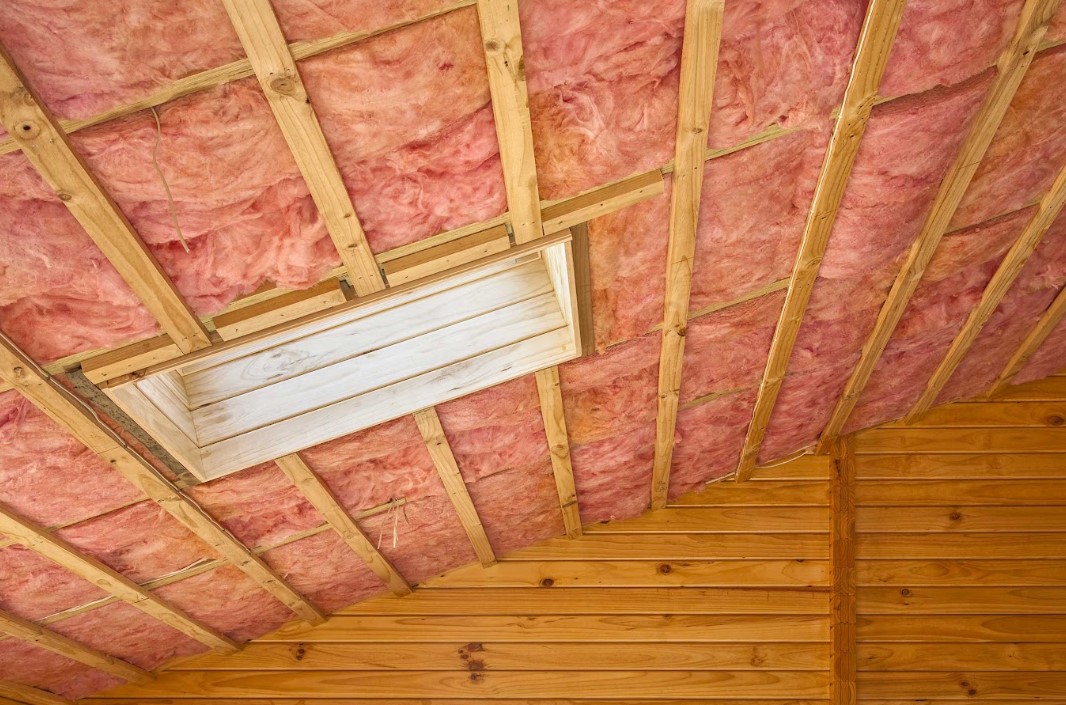
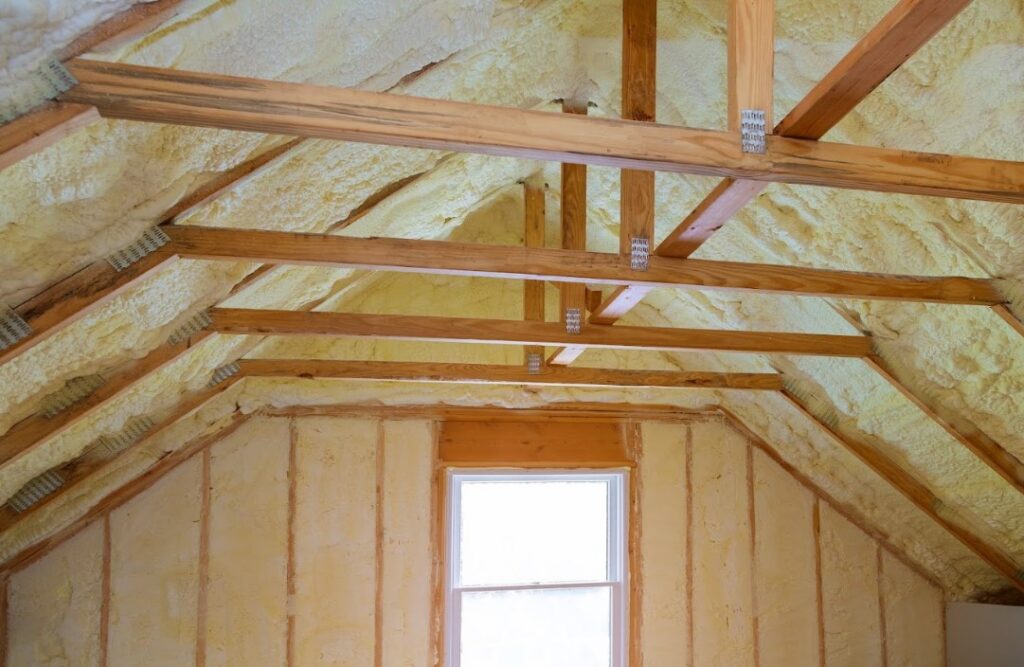
Blown-in insulation helps control heat transfer between the attic and the living space. It does not make the roof cooler. It helps keep attic heat from moving down into the rooms below.
If your attic is hot and the insulation is thin, patchy, compressed, or missing in spots, the upstairs may feel warmer even when the AC is running. Blown-in insulation can help create more even coverage across the attic floor.
Blown-in insulation may help when:
- Upstairs rooms are hotter than the first floor.
- Existing insulation is thin or uneven.
- Some attic areas have bare spots.
- The home struggles to hold temperature.
- The attic floor needs better coverage.
But insulation has to be installed carefully. If blown-in insulation blocks soffit vents, the attic may lose airflow. That can make ventilation problems worse. In many homes, baffles or air channels are needed near the eaves so air can move from the soffits into the attic.
That is why blown-in insulation in Cleveland should be paired with a ventilation review. Insulation and ventilation are not competing fixes. They are two parts of the same system.
How Trapped Attic Heat Can Shorten Roof Lifespan
Trapped attic heat can shorten roof lifespan when it builds up under the roof deck and adds stress to shingles from below. Shingles already face sun and UV exposure from above. If the attic is also holding heat underneath, the roofing system may age faster.
Asphalt shingles need some flexibility to perform well. Over time, heat can dry out shingles and make them more brittle. That can lead to curling, cracking, lifted edges, and granule loss.
Heat that stays trapped in the attic may also contribute to:
- Weaker seal strips.
- Moisture stress on decking.
- Higher risk of winter ice dam issues.
- Reduced comfort in upstairs rooms.
That does not mean every hot attic needs a new roof. It means the roof should be checked when trapped heat shows up with visible shingle wear, leaks, moisture, or ventilation problems.
Signs Your Attic Has a Heat Buildup Problem
A hot attic is easy to notice once you open the access, but the more useful signs often show up in the house or on the roof.
Watch for:
- Upstairs rooms that stay warm even when the AC is running.
- A hot or stuffy attic long after sunset.
- High summer cooling bills.
- Curling, cracking, or brittle shingles.
- Heavy granule loss in gutters.
- Musty smells in the attic.
- Damp insulation or moisture stains.
- Ice dams or uneven snow melt in winter.
- Bathroom fan moisture venting into the attic.
- Soffit vents blocked by insulation or debris.
- Repeated roof leaks near vents, valleys, or flashing.
One sign by itself may not tell the whole story. A hot upstairs could be insulation. Curling shingles could be roof age. Moisture could be ventilation, air leaks, or a roof leak. The pattern matters.
Roofing vs. Insulation Solutions: What Do You Need?
The right solution for attic heat depends on what is actually wrong. Some homes need insulation. Some need ventilation correction. Some need roof repair. Some need a roof replacement plan. A lot of homes need a combination.
| Problem | Likely Solution |
| Thin or uneven attic insulation | Add blown-in insulation where appropriate. |
| Blocked soffit vents | Clear airflow paths and protect vents before adding insulation. |
| Poor exhaust ventilation | Review ridge or upper roof ventilation. |
| Aging shingles with heat wear | Inspect for repair or replacement. |
| Roof leaks or moisture stains | Locate the water source before insulation work. |
| Hot upstairs rooms | Check insulation, ventilation, air leaks, and roof condition. |
| Ice dam history | Review insulation, ventilation, and roof edge conditions. |
| Heavy granule loss or curling shingles | Schedule a roof inspection. |
When Roofing Is the Better Starting Point
Roofing should be the first focus when there are visible shingle problems, active leaks, storm damage, soft decking, damaged flashing, or old roof materials. Insulation will not fix a failing roof.
During a roof replacement, it is also easier to review ventilation and shingle options. That is when homeowners can talk through architectural asphalt shingles, premium shingles, impact-resistant options, roof color, ridge ventilation, and warranty coverage.
When Insulation Is the Better Starting Point
Insulation may be the better starting point when the roof is in good condition, ventilation is working, and the upstairs is uncomfortable because heat is moving through a poorly insulated attic floor.
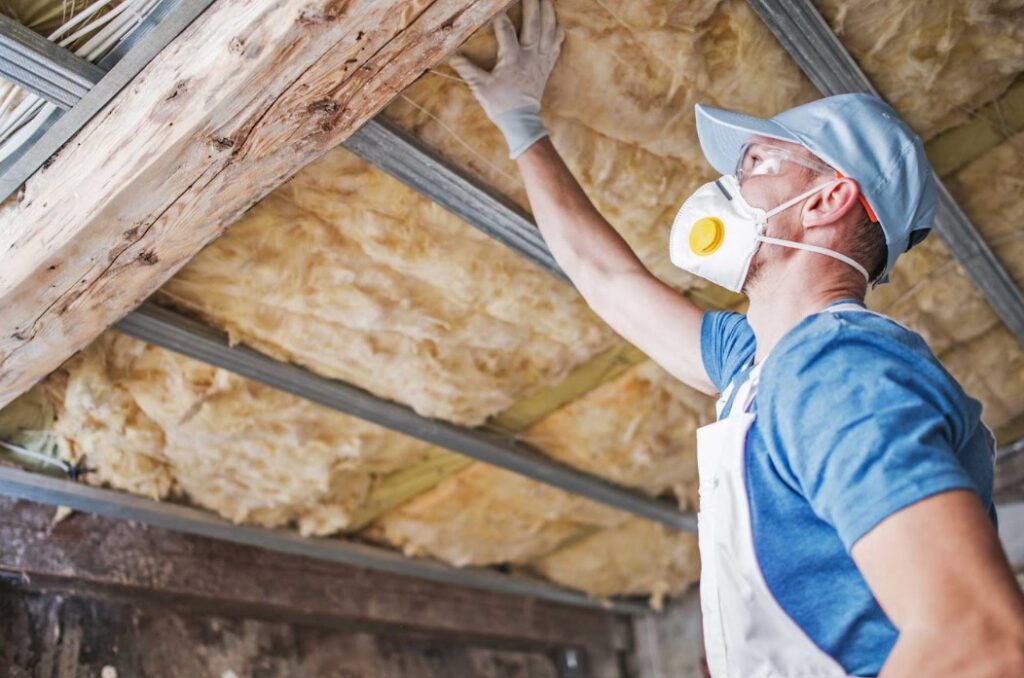
S&K offers blown-in insulation, which can help improve attic coverage when installed with airflow in mind.
When Ventilation Needs to Come First
Ventilation should be addressed before adding insulation if soffit vents are blocked, exhaust ventilation is weak, or air is not moving through the attic properly. Adding insulation over a ventilation problem can make the system worse.
Why Cleveland Homes Need Balanced Ventilation and Insulation
Cleveland-area homes need balanced ventilation and insulation because the attic has to deal with summer heat and winter moisture.
In summer, the roof absorbs heat all day. If hot air cannot escape, the attic stays warmer and the upstairs may feel uncomfortable. In winter, warm indoor air can rise into the attic. If insulation is weak or air leaks are present, that warm air can contribute to uneven snow melt, condensation, and ice dam concerns.
| Component | Job |
| Intake ventilation | Brings outside air into the attic near the eaves. |
| Exhaust ventilation | Lets hot, moist attic air leave near the top of the roof. |
| Blown-in insulation | Slows heat transfer between attic and living space. |
| Airflow channels | Help keep soffit ventilation open. |
| Roof shingles | Protect the home from weather while handling sun and temperature changes. |
| Flashing and gutters | Help manage water around roof edges and transitions. |
For homes in Lakewood, Parma, Euclid, Strongsville, Mentor, and surrounding Northeast Ohio communities, this balance matters because weather changes quickly. A roof that is stressed in summer may be more vulnerable when fall rain, winter snow, and freeze-thaw cycles arrive.
When to Call S&K for an Attic or Roof Evaluation
Call S&K if your upstairs stays hot, the attic feels heavy with heat, or you are seeing roof wear at the same time. You should also schedule an evaluation if there are water stains, curling shingles, granule loss, damp insulation, repeated leaks, or past ice dam problems.
A good evaluation should not jump straight to one answer. S&K can look at the roof, ventilation, insulation, and visible moisture concerns so you know what is actually causing the problem.
During an attic or roof evaluation, S&K may check:
- Shingle age and condition.
- Curling, cracking, or granule loss.
- Ridge vents and exhaust ventilation.
- Soffit vents and intake airflow.
- Blocked attic airflow paths.
- Blown-in insulation depth and coverage.
- Signs of roof leaks.
- Flashing around vents, chimneys, walls, and valleys.
- Damp insulation or attic moisture.
- Gutter and drainage concerns.
- Past storm damage.
- Ice dam warning signs.
S&K Construction And Remodeling uses supervised crews and start-to-finish photos so homeowners can see what was found and how the work was completed. That matters because attic and roof problems can be hard to understand from inside the house alone.
Deep Dive: Roof Materials, Insulation, and Long-Term Performance
Solutions for heat building up in the attic should fit the house, not just the season. A home with a newer roof and thin insulation needs a different plan than an older roof with poor ventilation and worn shingles.
Architectural Asphalt Shingles
Architectural asphalt shingles are a common fit for Northeast Ohio homes because they balance performance, appearance, and practical value. S&K works with Owens Corning Duration and Atlas Pinnacle shingles. Roof color, ventilation, and installation details all affect long-term performance.
Premium Asphalt Shingles
Premium shingles, including Owens Corning Berkshire options, may make sense for homeowners who want a more substantial roof profile and plan to stay in the home longer. They still need proper ventilation and attic insulation planning.
Impact-Resistant Shingles
Impact-resistant shingles may be worth discussing in storm-prone areas. They do not solve attic heat on their own, but they can be part of a stronger roof replacement plan when hail and wind are concerns.
Corrugated Metal Roofing
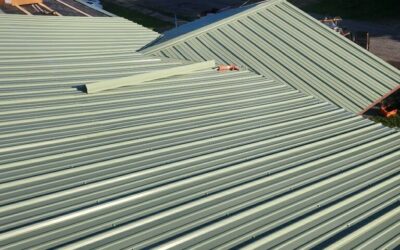
Corrugated metal handles heat differently than asphalt and can be useful in the right application. It is not the right fit for every home, but it may be part of the conversation depending on the structure and project goals.
Blown-In Insulation
Blown-in insulation can help improve comfort when the attic floor is under-insulated. It should be installed with care so soffit vents and attic airflow are not blocked.
Roofing Solutions: Pros and Cons
| Pros | Cons |
| Can address worn shingles, flashing, ventilation, and leaks together. | Higher investment if replacement is needed. |
| Good timing to correct ventilation. | Not necessary if the roof is still in good shape. |
| Supports long-term roof performance. | Does not replace the need for attic insulation. |
| Can include stronger warranty options. | Requires proper planning and installation. |
Insulation Solutions: Pros and Cons
| Pros | Cons |
| Can improve upstairs comfort. | Does not fix roof leaks or worn shingles. |
| Helps reduce heat transfer from attic to living space. | Can block airflow if installed incorrectly. |
| Often pairs well with ventilation improvements. | Air leaks may still need attention. |
| Useful when existing insulation is thin or uneven. | Not a full roof-performance solution by itself. |
For full roof replacements, S&K offers 50-year Owens Corning warranty options and a 10-year workmanship guarantee. Most residential roof replacement projects are completed in one day with a full crew, which can help limit disruption and reduce exposure to changing weather.
Financing may also help when roof replacement or insulation work is needed but the timing is difficult. Qualified homeowners may have access to zero down financing, 12 months same-as-cash, or longer-term payment choices through Service Finance.
Cleveland Roofing FAQs About Heat Buildup in the Attic
Attic heat can feel like an HVAC problem, a roofing problem, or an insulation problem. These answers can help homeowners understand what to check before choosing a fix.
Why is my attic so hot?
Your attic is so hot because the roof absorbs summer heat and the attic may not be releasing it properly. Poor ventilation, blocked soffit vents, thin insulation, air leaks, and dark shingles can all contribute to heat buildup in the attic.
Is trapped attic heat bad for my roof?
Yes, trapped attic heat can be bad for your roof when it sits under the roof deck and adds stress to asphalt shingles. Over time, that heat may contribute to curling, cracking, brittle shingles, granule loss, and shorter roof lifespan.
Will blown-in insulation fix a hot attic?
Blown-in insulation can help a hot house, but it does not cool the attic itself. It helps slow heat transfer from the attic into the living space. It works best when ventilation is balanced and soffit vents are not blocked.
Do I need roof ventilation or insulation?
You may need roof ventilation, insulation, or both. Ventilation helps hot and moist air leave the attic. Insulation helps separate the living space from attic conditions. A proper evaluation can show which issue is causing the biggest problem.
Can poor roof ventilation make my upstairs hotter?
Yes, poor roof ventilation can make upstairs rooms hotter by allowing heat to collect under the roof deck. If attic insulation is also thin or uneven, more of that heat can move into the living space.
What are signs my attic insulation is not working well?
Signs your attic insulation is not working well include hot upstairs rooms, uneven temperatures, high cooling bills, thin or patchy insulation, and rooms that do not stay comfortable. The attic should also be checked for blocked airflow and moisture.
When should I call a Cleveland roofing and insulation contractor?
You should call a Cleveland roofing and insulation contractor when attic heat comes with roof wear, water stains, damp insulation, high cooling bills, ice dam history, or an upstairs that stays uncomfortable. Those signs may point to roofing, ventilation, insulation, or several issues together.
Fix Heat Buildup in the Attic at the Source
Heat buildup in the attic is not always just a roofing problem or just an insulation problem. In many homes, comfort and roof performance depend on the right balance of ventilation, insulation, and roof condition.
Since 2013, S&K Construction And Remodeling has helped Northeast Ohio homeowners make practical roofing and insulation decisions with supervised crews, start-to-finish photos, emergency service, Owens Corning warranty options, a 10-year workmanship guarantee, and financing choices that fit real budgets.
Is your upstairs too hot or your attic holding heat? S&K can evaluate your roof ventilation, attic insulation, and overall roof condition to help improve comfort and protect your home.