(440) 307-2060
🏠 A Roof Contractor’s Ultimate Guide: Everything Homeowners Need to Know
Introduction (≈200 words)
Begin by highlighting why selecting a roof contractor is one of the most critical decisions a homeowner makes. Emphasize factors like protection, curb appeal, costs, and resale value. Mention that this guide will cover everything from credential checks to SEO visibility tips for contractors—and insight for homeowners on finding one.
1. Why Choosing the Right Roof Contractor Matters (≈300 words)
- Function & Longevity: Explain that a proper installation ensures the roof functions as a complete system—underlayment, flashings, vents—not just shingles
- Avoid Common Pitfalls: Share homeowner horror stories (like storm chasers) to stress the value of vetting .
- Compliance & Safety: Contractors need proper licensing, insurance, and OSHA-standard safety procedures .
2. 6‑Step Process to Vet & Hire a Roof Contractor (≈600 words)
Detail actionable steps:
Step 1: Research Reputation
- Use Google, Yelp, BBB, Angi—plus recent reviews (last 3–6 mos) for accuracy
- Reddit consensus: “Everything is local… look for someone who installs that product and offers a detailed quote” (
Step 2: Verify Credentials
- Ask for licensing/bonding, insurance documents
- Confirm manufacturer certifications (e.g., GAF, IKO ROOFPRO®) (
Step 3: Compare Multiple Quotes
- Get ≥3 estimates; compare scope, materials, timelines, warranties
- Watch out for bids suspiciously low or high—could signal shortcuts
Step 4: Ask the Right Questions
- Use structured questions from Owens Corning and IKO lists .
- Business permanence, insurance, installation system, process clarity, references.
Step 5: Insist on a Detailed Contract
- Include product names, quantities, timelines, payment schedule, liens, cleanup, permits
Step 6: Monitor Quality & Warranties
- Conduct midJob inspections, keep records, verify manufacturer & workmanship warranties .
3. What a Quality Roof Contractor Offers (≈400 words)
Comprehensive Roofing Systems
- Answers the system approach: underlayment, vents, flashings, not just shingles
Warranty Depth
- Should offer manufacturer-backed product warranties AND workmanship warranty.
Safety & Insurance
- OSHA-compliant fall protection, workers’ comp, liability insurance
Specialized Services
- Work with hail-prone areas, solar roofing or energy-efficient solutions .
4. Common Roofing Problems Homeowners Face (≈400 words)
Outline typical issues and solutions:
- Storm damage – need prompt tarping and inspection.
- Aging shingles – identify curling, cracking, granule loss.
- Leaks & flashing issues – key for warranty enforcement.
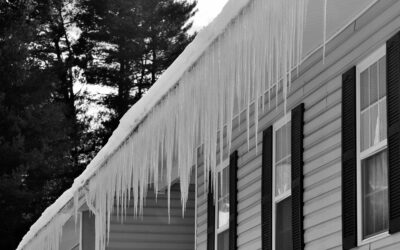
- Poor ventilation/insulation – reduces lifespan and damages structure.
- Installation shortcuts – like failing to remove old vents
- Ponding water – flat roof requires drainage design .
5. Roofing Materials & Longevity (≈300 words)
Present popular materials with pros/cons:
- Asphalt shingles: $3.50–$5.50/sq ft for install, 20–50 years lifespan (
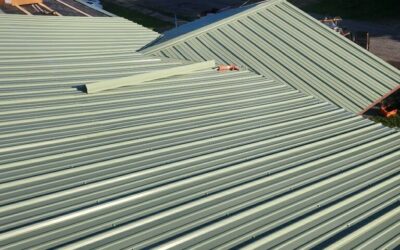
- Metal roofing: rising demand, 50–100 year lifespan .
- Solar shingles: growing trend, up to 70% energy savings, 30% tax credit (
- Flat roofing systems and coatings: TPO, PVC, EPDM; cost-effective restoration options.
- Green/cool roofs: for eco-conscious homeowners and urban stormwater management.
6. Boosting SEO for Your Roofing Contractor Business (≈500 words)
Detail strategies from recent guides:
On‑Page SEO
- Mobile-first design, meta titles/descriptions, schema markup, image alt-text, site architecture (
Off‑Page SEO
- Local citations (NAP consistency), guest blogging, reviews, backlinks .
Google Business Profile (GBP)
- Fully optimized GBP, adding services, Q&A, weekly posts
Content & Blog Strategy
- 700+ word service pages, FAQs, giant guides, locally targeted content (
Measurement & ROI
- Track impressions, clicks, conversions; SEO is long game vs PPC (
7. FAQs Every Homeowner or Contractor Should Know (≈300 words)
Q: How often should I replace my roof?
Shingles: every 20–30 years; Metal: 50+; Solar/upgrades vary by system and proper maintenance.
Q: Is an inspection necessary before buying a roof?
Yes—paying $600–$1,500 for a certified inspector prevents unnecessary replacements
Q: What’s the best time to reroof?
Spring to fall. Winter is riskier due to sealing issues—but possible with the right contractor.
Q: Avoiding scams—how much deposit is safe?
Don’t pay more than 10–25% up-front; use staged payments(
Q: Do I need permits?
Always let the contractor pull permits. Avoid contractors asking you to do it .
8. Final Thoughts & Action Plan (≈200 words)
Recap homeowner steps:
- Research thoroughly.
- Compare quotes and ask the right questions.
- Insist on a clean, detailed contract.
- Understand warranties and maintain communications.
- Track the roof’s performance post-installation.
Encourage readers to take the next step: download a printable hiring checklist, get a free site audit, or request a quote from certified local contractors.