(440) 307-2060
Best Roofing Underlayment for Shingles: A Complete Homeowner’s Guide
When homeowners start planning a new roof installation, the focus often lands on the visible materials—such as shingle style, color, and durability. But beneath the surface lies one of the most important protective layers of the entire roofing system: the underlayment. Choosing the best roofing underlayment for shingles is not just a matter of preference; it’s a key decision that affects the long-term durability, performance, and weather protection of your roof.
This guide will walk you through everything you need to know about roofing underlayment—its purpose, types, benefits, installation considerations, and tips for selecting the right one for your home. By the end, you’ll understand why this hidden component is so critical and how to make the right choice for your next roofing project.
What Is Roofing Underlayment?
Roofing underlayment is a protective layer installed between the roof deck (the wooden surface) and the shingles. While shingles are designed to shed water, underlayment acts as a secondary barrier to protect against leaks, wind-driven rain, snow, and ice dams.
Think of it as the unsung hero of your roofing system—quietly shielding your home from water intrusion while working hand-in-hand with the shingles above it.
Why Underlayment Matters
Some homeowners assume that shingles alone are enough to guard against the elements. But underlayment provides several essential benefits:
- Moisture Protection – If shingles are blown off, cracked, or damaged, underlayment helps prevent leaks.
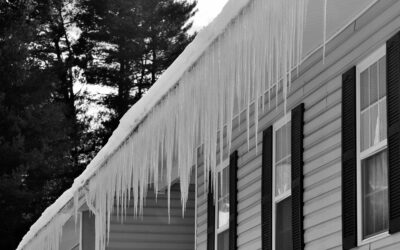
- Ice Dam Defense – In colder climates, underlayment provides added protection when melting snow refreezes along eaves.
- Improved Fire Resistance – Certain underlayment materials enhance fire protection.
- Smooth Surface for Shingles – Creates a uniform surface for shingle installation.
- Extended Roof Lifespan – Adds durability by reducing water and wind infiltration.
Without underlayment, even the best shingles could allow water to penetrate and cause damage to the roof deck and interior of the home.
Types of Roofing Underlayment
There are three main categories of underlayment commonly used beneath shingles. Each comes with its own pros, cons, and best-use scenarios.
1. Asphalt-Saturated Felt (Tar Paper)
One of the oldest and most widely recognized types of underlayment is asphalt-saturated felt, often called tar paper.
Features:
- Typically available in 15-pound and 30-pound thicknesses.
- Made from organic or fiberglass mats soaked in asphalt.
Pros:
- Affordable and widely available.
- Provides adequate protection for many homes.
- Easy to install.
Cons:
- Less durable compared to newer synthetic options.
- Can tear easily during installation or under foot traffic.
- Absorbs water, which may cause wrinkling under shingles.
Best for: Homeowners on a budget or those with traditional asphalt shingle roofs in moderate climates.
2. Synthetic Underlayment
In recent decades, synthetic underlayment has gained popularity as a modern alternative to felt.
Features:
- Made from woven or spun polyethylene or polypropylene.
- Lightweight yet highly durable.
Pros:
- Resistant to tearing and UV exposure.
- Lightweight and easier to handle than felt.
- Repels water instead of absorbing it.
- Provides better traction for roofers during installation.
Cons:
- Costs more than asphalt felt.
- Quality varies depending on the manufacturer.
Best for: Homeowners seeking long-term durability, particularly in areas with extreme weather.
3. Rubberized Asphalt Underlayment
This premium option is made with high concentrations of asphalt and rubber polymers, often featuring a self-adhering backing.
Features:
- Creates a watertight seal on the roof deck.
- Often used in vulnerable areas like valleys, eaves, and around penetrations.
Pros:
- Excellent water resistance.
- Superior protection against ice dams and heavy rain.
- Provides sound dampening benefits.
Cons:
- More expensive than felt or synthetic.
- Heavier and may require professional installation.
Best for: Homes in regions prone to ice dams, heavy snow, or significant rainfall.
Comparing the Options
When deciding between felt, synthetic, and rubberized asphalt, think about:
- Climate: Cold, wet, or windy regions often benefit from synthetic or rubberized asphalt.
- Budget: Felt is cost-effective but less durable.
- Roof Design: Complex roofs with many valleys may require rubberized underlayment in key areas.
- Longevity Goals: If you want your roof to last 30+ years, synthetic may be the most reliable option.
The Role of Underlayment in Roof Longevity
A high-quality underlayment helps ensure that shingles can perform at their best. While shingles provide the primary shield, underlayment serves as the backup defense when storms strike. Without it, even minor shingle damage could result in significant leaks and costly repairs.
In fact, many roofing warranties require underlayment to be installed properly. Skipping it not only risks damage but may also void manufacturer warranties.
Underlayment and Building Codes
In most areas, building codes require some form of underlayment beneath shingles. The type and amount depend on regional climate conditions. For example:
- Northern Climates – Ice and water shield products are often required at roof edges.
- Hurricane-Prone Regions – Stronger synthetic options may be necessary for wind resistance.
- General Residential Use – At least one layer of felt or synthetic is typically mandated.
Always check with your local building authority before installation.
Installation Considerations
Even the best underlayment won’t perform well if it’s installed incorrectly. Here are some key points contractors keep in mind:
- Overlap Seams Properly – Ensures continuous coverage without gaps.
- Start at the Eaves – Work upward to shed water correctly.
- Use Cap Nails or Fasteners – Prevents tearing and blow-off.
- Avoid Long Exposure – Many underlayments aren’t designed for prolonged UV exposure.
- Combine with Ice and Water Shields – For maximum protection in vulnerable areas.
Cost of Roofing Underlayment
Pricing varies depending on the material:
- Felt Underlayment – $0.15 to $0.50 per square foot.
- Synthetic Underlayment – $0.20 to $0.90 per square foot.
- Rubberized Asphalt – $0.75 to $2.00+ per square foot.
While underlayment costs add to overall roof expenses, it’s a small price for the protection it provides over decades.
Common Underlayment Mistakes
- Skipping Underlayment – Some budget jobs cut corners, but this exposes your home to risk.
- Using the Wrong Type – Installing felt in high-moisture areas may lead to premature failure.
- Improper Fastening – Staples or incorrect nails can cause tears.
- Leaving It Exposed Too Long – Sun exposure breaks down some underlayments quickly.
- Not Using Ice Shield Where Needed – Skipping specialized underlayment in valleys and eaves can result in leaks.
Maintenance and Lifespan
Unlike shingles, underlayment isn’t exposed directly to weather, so it typically lasts as long as the shingles themselves. Synthetic options often outlast felt due to higher resistance to moisture and tearing. Rubberized asphalt provides the best longevity in severe climates.
Choosing the Best Roofing Underlayment for Shingles
To make the right decision, ask yourself:
- What is my climate like?
- Am I prioritizing cost or longevity?
- Is my roof simple or complex with many valleys?
- Do I want extra protection against storms or ice dams?
- Am I willing to invest more upfront for long-term peace of mind?
For most modern homes, synthetic underlayment strikes the best balance of affordability, durability, and ease of installation. In particularly harsh climates, rubberized asphalt provides unmatched protection.
Benefits Beyond Protection
Many homeowners don’t realize that underlayment can also:
- Improve attic insulation performance.
- Reduce sound from rain or hail.
- Help maintain roof warranties.
- Increase resale value by signaling high-quality construction.
Frequently Asked Questions
1. Do all roofs need underlayment?
Yes. Underlayment is required by building codes and recommended by manufacturers.
2. Can I reuse old underlayment when re-roofing?
No. Once shingles are removed, underlayment should be replaced.
3. How long does synthetic underlayment last?
Typically 20–30 years, aligning with shingle lifespans.
4. Is rubberized asphalt worth the extra cost?
In areas prone to ice dams, snow, or heavy rain, yes—it prevents costly leaks.
5. Can I install underlayment myself?
It’s possible, but professional installation ensures proper fastening and coverage.
Final Thoughts
While it’s rarely seen once a roof is complete, underlayment is one of the most crucial components of a strong roofing system. Choosing the best roofing underlayment for shingles means balancing cost, durability, and climate needs to ensure your home stays protected for decades.
Felt, synthetic, and rubberized asphalt all have their place, but synthetic has become the go-to choice for many homeowners thanks to its combination of strength and affordability. By understanding your options and working with a qualified roofing professional, you’ll ensure your home has the best defense against whatever nature throws its way. 440-235-3124