(440) 307-2060
Best Storm Damage Roofer: A Complete Homeowner’s Guide
After a severe storm passes through a neighborhood, one of the first concerns homeowners have is the state of their roof. High winds, hail, heavy rain, and falling debris can cause anything from small leaks to major structural damage. In these moments, knowing how to identify the best storm damage roofer becomes critical. Choosing the right professional can mean the difference between a quick, reliable repair and long-term issues that lead to costly problems down the road.S&K Roofing replacement experts in the best storm damage roofer.
In this guide, we’ll break down everything you need to know about finding and working with storm damage roofers: why they matter, how to choose the right one, the repair process, costs, insurance considerations, and tips to protect your home for the future.
Why Storm Damage Roofers Are So Important
When a storm strikes, the roof takes the brunt of the impact. While some damage may be visible—like missing shingles, broken tiles, or dented gutters—other issues can be hidden. Water may seep under the roofing material, damaging insulation, ceilings, and even electrical systems.
A storm damage roofer specializes in:
- Assessing storm-related roof problems accurately.
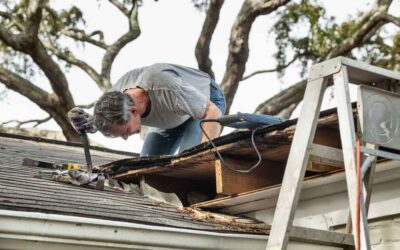
- Performing emergency repairs to prevent further damage.
- Working with insurance companies to document and validate claims.
- Providing long-term solutions that restore structural integrity and protect your home.
The expertise of a storm damage roofer is what sets them apart from general contractors or handymen who may not recognize the full scope of the problem.
Common Types of Storm Damage to Roofs
Not all storms cause the same type of damage. Understanding what can go wrong helps homeowners see why specialized roofers are needed.
1. Wind Damage
- High winds lift and tear shingles or tiles.
- Flashing and ridge caps can be loosened or blown off.
- Entire sections of roofing may be displaced.
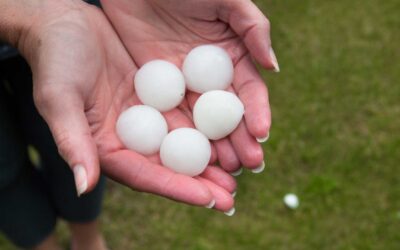
2. Hail Damage
- Hailstones bruise or puncture shingles.
- Granule loss from asphalt shingles reduces UV protection.
- Metal roofing may dent, and tiles may crack.
3. Heavy Rain
- Prolonged exposure causes leaks.
- Weak points around chimneys, vents, or skylights become entry points for water.
- Saturated materials may rot over time.
4. Falling Debris
- Branches or objects can puncture roofing surfaces.
- Gutters and downspouts may be crushed or clogged.
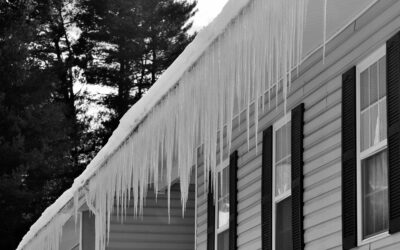
5. Snow and Ice
- Ice dams force water beneath shingles.
- Weight from heavy snow can strain roof structures.
Signs You May Need the Best Storm Damage Roofer
Some damage is obvious, but much of it isn’t. Here are key indicators that a professional roofer should inspect your property:
- Missing or curled shingles.
- Water spots on ceilings or walls inside the home.
- Dented gutters, siding, or vents.
- Shingle granules in gutters or on the ground.
- Soft or sagging roof spots when walking the surface.
- Loose flashing around chimneys or skylights.
If any of these are present, it’s time to call a roofer experienced in storm repair.
Qualities of the Best Storm Damage Roofer
Not all roofers are the same. After a storm, many companies rush into neighborhoods offering quick fixes. To protect your investment, here are qualities to look for in the roofer you hire:
1. Local Experience
Storms attract “storm chasers” who travel from state to state looking for work. While some may be legitimate, they may not be around if future issues arise. A local roofer knows building codes, weather patterns, and materials suited for the region.
2. Licensing and Insurance
The best roofers carry proper licensing and full liability and worker’s compensation insurance. This protects both the homeowner and the crew.
3. Storm Damage Expertise
Ask specifically about storm repair experience. These roofers understand hidden damage and how to work with insurance adjusters.
4. Strong References
Reputable roofers can provide local references and show examples of recent storm repair work.
5. Warranties
Quality roofers stand behind their work with labor and material warranties, offering peace of mind.
6. Clear Communication
From inspection to estimate, the roofer should explain issues, timelines, and costs in detail.
The Roof Inspection Process
The inspection is the first step in storm damage repair. Here’s how the best storm damage roofer typically approaches it:
- Exterior Assessment
- Checking shingles, flashing, gutters, and roofline.
- Looking for dents, cracks, or displacement.
- Interior Assessment
- Inspecting attics, ceilings, and walls for leaks or water stains.
- Documentation
- Taking photos and notes for both the homeowner and insurance company.
- Estimate Creation
- Providing a written estimate with itemized details.
This process ensures transparency and helps homeowners make informed decisions.
Insurance and Storm Damage Roofing
One of the biggest challenges after a storm is navigating insurance claims. The best storm damage roofer often works closely with insurance adjusters to:
- Provide documented evidence of damage.
- Submit detailed repair estimates.
- Meet with adjusters to confirm findings.
- Ensure the homeowner receives fair coverage.
For homeowners, this partnership can make the insurance process far less stressful.
Temporary Repairs vs. Full Replacement
Depending on the damage, a roofer may recommend temporary repairs or a full replacement.
- Temporary Repairs: Tarping or sealing leaks to prevent immediate water intrusion. Useful for emergency protection.
- Full Replacement: Necessary if structural integrity is compromised or if damage affects a significant portion of the roof.
A trustworthy roofer will explain which option is best for your situation.
Costs of Storm Damage Roof Repairs
Costs vary widely, depending on material, extent of damage, and location. On average:
- Minor shingle repairs: $300–$700.
- Larger sections: $1,000–$3,000.
- Full replacement: $7,000–$20,000 or more depending on size and material.
Insurance often covers much of the expense if damage is storm-related, but homeowners should expect to pay a deductible.
Materials Used in Storm Damage Repairs
The choice of roofing material can impact both performance and cost.
- Asphalt Shingles: Affordable and widely used, but vulnerable to hail and wind.
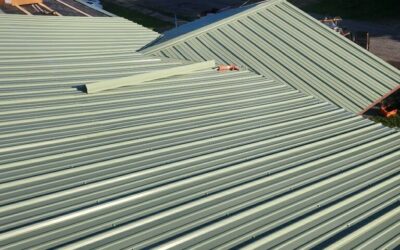
- Metal Roofing: More expensive but durable against severe storms.
- Clay or Concrete Tiles: Stylish and long-lasting but heavy and costly to repair.
- Slate Roofing: Extremely durable but one of the most expensive options.
The roofer should recommend materials that balance budget, durability, and aesthetic preferences.
How to Protect Yourself From Scams After a Storm
Unfortunately, storms often bring opportunistic contractors who take advantage of distressed homeowners. Protect yourself with these steps:
- Never pay in full upfront.
- Verify licensing and insurance.
- Avoid signing documents under pressure.
- Get multiple estimates for comparison.
- Check references and reviews from local customers.
The best storm damage roofer builds trust rather than pressuring homeowners.
Preparing for the Roofing Project
Once you’ve selected a roofer, preparation helps the project go smoothly:
- Clear your driveway and yard for equipment.
- Protect fragile landscaping near the home.
- Move outdoor furniture away from work areas.
- Communicate with neighbors about potential noise or debris.
What to Expect During Repairs
- Day 1: Delivery of materials and setup.
- Day 2–5: Removal of damaged materials and installation of new ones.
- Final Day: Cleanup, inspection, and walkthrough with the homeowner.
Timelines vary depending on roof size and weather conditions, but the roofer should provide updates throughout.
Preventing Future Storm Damage
While no roof is indestructible, homeowners can take steps to reduce risks:
- Install impact-resistant shingles in hail-prone areas.
- Trim trees to prevent falling branches.
- Clean gutters regularly for proper water drainage.
- Schedule annual roof inspections.
The best roofers will also offer preventive solutions tailored to your region.
Questions to Ask Your Storm Damage Roofer
- How many storm damage projects have you completed recently?
- Can you provide references from similar jobs?
- What warranties do you offer on materials and labor?
- How do you handle insurance claims?
- Who will oversee the project on-site?
These questions help separate reliable professionals from less qualified contractors.
Long-Term Value of Choosing the Best Roofer
Investing in the best roofer isn’t just about immediate repairs—it’s about long-term protection. Quality work ensures:
- Extended roof lifespan.
- Increased property value.
- Lower maintenance costs.
- Better energy efficiency through proper sealing.
A storm-damaged roof repaired correctly today can save thousands in future repairs.
Case Example: Storm Recovery Done Right
Consider a two-story home that lost 40% of its shingles after a windstorm. The best storm damage roofer:
- Inspected and documented all damage.
- Worked with the insurance adjuster to confirm a full replacement was necessary.
- Installed impact-resistant shingles to protect against future storms.
- Completed the project in under a week with full cleanup.
The result: a stronger, more durable roof and peace of mind for the homeowner.
Final Thoughts
Finding the best storm damage roofer is one of the most important steps a homeowner can take after severe weather. Storm damage may look minor from the ground, but hidden problems can quickly grow into major structural issues. By hiring an experienced, local, and trustworthy roofer, you ensure your home is properly protected, your insurance claim is fairly handled, and your roof is built to withstand the next storm.
A roof isn’t just shingles and nails—it’s your home’s first defense against the elements. The right roofer ensures that defense remains strong for years to come. 440-235-3124