(440) 307-2060
Cause Of Roof Leaks: A Complete Guide for Homeowners
When water stains appear on your ceiling or you find a drip during a storm, the first thought is often about the cause of roof leaks. Understanding why roofs leak is essential for protecting your home from serious water damage, mold growth, and costly repairs. While some leaks are easy to identify, others are hidden until they create major problems. Knowing the different causes helps you act quickly, prevent future damage, and extend the lifespan of your roof.
Why Roof Leaks Should Never Be Ignored
A roof leak may start small, but the damage it can create spreads far beyond the roof itself. Left untreated, a leak can:
- Weaken roof decking and structural beams.
- Destroy insulation, making your home less energy-efficient.
- Lead to mold and mildew growth, which can harm your health.
- Damage ceilings, walls, and flooring inside your home.
- Lower your property value and increase repair costs.
Fixing the source of the leak promptly is the best way to protect your investment.
The Most Common Causes of Roof Leaks
Roof leaks come from many different sources. Some are easy to identify, while others require careful inspection. Below are the most common reasons roofs fail.
1. Damaged or Missing Shingles
Shingles are your first line of defense against rain, wind, and snow. When they are cracked, curled, loose, or missing, water can easily slip underneath. Storms and high winds are the biggest culprits for shingle loss.
2. Flashing Failures
Flashing is the thin material, often made of metal, that seals joints and transitions on your roof. It’s found around chimneys, skylights, vents, and valleys. When flashing becomes loose, corroded, or improperly sealed, water finds a direct path into your home.
3. Valley Problems
Valleys are the areas where two roof slopes meet. They carry large amounts of water during rainstorms. If valleys are not properly sealed or become worn, water will seep through, causing leaks that often spread widely inside the home.
4. Poor Roof Installation
Improperly installed roofing materials are a frequent cause of roof leaks. If underlayment is missing, nails are driven incorrectly, or flashing is installed poorly, leaks can develop even on a new roof.
5. Skylight Leaks
Skylights are beautiful but are prone to leaking if seals fail. Leaks around skylights often appear as water stains or drips near the window during heavy rain.
6. Chimney Problems
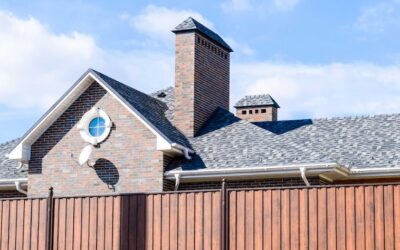
Brick chimneys can be a weak point in a roof. Cracked mortar joints, deteriorating flashing, or gaps between the chimney and roof allow water to enter.
7. Clogged Gutters
When gutters are clogged, water backs up and can seep under shingles. Instead of draining away, water pools near the edge of the roof, creating leaks along eaves and fascia boards.
8. Vent Pipe Leaks
Roof vents are necessary for ventilation, but their rubber boots or seals can crack over time. When this happens, water enters around the pipe.
9. Ice Dams
In cold climates, ice dams form when melting snow refreezes near roof edges. Water trapped behind the ice backs up under shingles, leaking into the attic and interior.
10. Age of the Roof
Even the best roofing materials break down over time. As shingles age, granules wash away, sealing strips weaken, and materials become brittle, increasing the risk of leaks.
Hidden Causes of Roof Leaks
Not all leaks are obvious. Some hidden issues can cause slow, long-term water damage.
- Condensation: Poor attic ventilation creates moisture buildup that looks like a leak.
- Punctures from Foot Traffic: Walking on a roof can crack shingles, especially on hot or cold days.
- Nail Pops: Nails that work their way out of shingles leave small holes where water can enter.
- Animal Damage: Birds, squirrels, and raccoons sometimes pry open shingles or chew flashing.
How to Spot the Signs of a Roof Leak
Detecting leaks early reduces repair costs. Warning signs include:
- Brown or yellow water stains on ceilings and walls.
- Peeling paint or bubbling plaster.
- Mold or mildew smell in the attic.
- Warped or soft spots in ceilings.
- Damp insulation or wet attic beams.
- Visible shingle damage or sagging rooflines.
The Damage Leaks Can Cause Inside Your Home
The cause of roof leaks doesn’t just stay on the roof—it spreads through the structure of your home.
- Structural Damage: Water weakens rafters, beams, and decking.
- Electrical Hazards: Leaks near wiring increase the risk of shorts or fires.
- Mold Growth: Persistent moisture creates mold problems in attics and walls.
- Insulation Damage: Wet insulation loses effectiveness, raising energy bills.
- Ceiling Collapse: Severe leaks can cause ceilings to sag or collapse if left untreated.
Preventing Roof Leaks Before They Start
While not all roof leaks can be avoided, proper maintenance greatly reduces the risk.
- Inspect your roof twice a year, especially after storms.
- Keep gutters and downspouts clear.
- Trim overhanging tree branches.
- Replace missing or damaged shingles promptly.
- Ensure proper attic ventilation.
- Re-seal flashing and skylight seals as needed.
When to Repair vs. Replace
Determining whether to repair or replace depends on the cause and extent of damage.
- Repair: If only a few shingles are damaged or flashing is loose, repairs are usually sufficient.
- Replace: If leaks are widespread, your roof is near the end of its lifespan, or decking is severely damaged, a full replacement is often more cost-effective.
Professional vs. DIY Leak Repairs
Some small issues can be tackled by handy homeowners, but many require professional expertise.
DIY
- Suitable for replacing one or two missing shingles.
- Can be risky if roof is steep or materials are fragile.
- Mistakes can make the leak worse.
Professional
- Correctly diagnoses the root cause.
- Offers warranties for labor and materials.
- Ensures safety with proper equipment.
Hiring a professional is usually the best option, especially for major leaks or hard-to-reach areas.
The Role of Roof Age and Maintenance
Roof leaks often stem from neglect. A roof that is well-maintained lasts longer and develops fewer leaks. Regular inspections, cleaning, and small repairs can extend the lifespan of your roof by many years.
Insurance and Roof Leaks
Insurance coverage for roof leaks varies:
- Covered: Sudden events like storm damage, hail, or fallen branches.
- Not Covered: Gradual wear and tear, neglect, or poor installation.
If you suspect storm damage, document the issue with photos and contact your insurance provider quickly.
Regional and Climate-Related Causes of Leaks
Where you live plays a role in roof leak causes:
- Northern Climates: Ice dams and snow buildup are common.
- Coastal Areas: Salt air and high winds accelerate shingle wear.
- Tropical Regions: Heavy rain and hurricanes increase flashing and shingle damage.
- Dry, Hot Areas: Sun exposure cracks shingles and dries out sealants.
Emergency Leaks and Temporary Fixes
If water is pouring in during a storm, temporary fixes can reduce damage:
- Tarping the roof.
- Placing buckets under drips.
- Patching with roofing tape or sealant.
These are only temporary solutions—professional repair is still required.
Long-Term Consequences of Ignoring Roof Leaks
Homeowners sometimes put off roof repairs, but waiting only increases costs. A leak that might have been fixed for a few hundred dollars can escalate into thousands of dollars in structural and interior damage.
Ignoring leaks can lead to:
- Rotting beams and decking.
- Mold infestations that require remediation.
- Compromised structural integrity.
- Expensive insurance claims or denied coverage.
Case Studies: Real-Life Examples
- Minor Leak Ignored: A homeowner noticed a small stain but didn’t act. Two years later, they faced $10,000 in structural and mold repairs.
- Flashing Failure: Loose chimney flashing caused a slow leak. A $600 repair prevented thousands in damage.
- Storm Damage: Missing shingles after a windstorm were fixed promptly for $400, preventing a major attic leak.
Checklist for Homeowners
To protect your home, follow this checklist:
- Inspect roof twice yearly.
- Clear gutters regularly.
- Check attic for dampness or mold.
- Repair minor damage quickly.
- Schedule professional inspections after severe weather.
Conclusion
The cause of roof leaks can range from missing shingles and failed flashing to clogged gutters and ice dams. While some leaks are easy to repair, others require professional help to diagnose and fix. By understanding the common causes, watching for warning signs, and maintaining your roof regularly, you can prevent costly damage and keep your home safe and dry.
Roof leaks are more than just an inconvenience—they’re a serious threat to the integrity of your home. The earlier you identify and address the cause, the less damage you’ll face and the more money you’ll save. 440-235-3124