(440) 307-2060
Does Homeowners Insurance Pay for a New Roof? A Complete Guide
For many homeowners, one of the biggest concerns after roof damage is whether homeowners insurance will pay for a new roof. A roof is one of the most expensive parts of a house to repair or replace, so understanding how insurance works is crucial. While insurance policies can vary, most will cover roof damage if it is sudden, accidental, and caused by a peril listed in your policy. However, coverage for a full replacement is not guaranteed—it often depends on the cause of the damage, the age of the roof, and the specifics of your insurance policy.
In this detailed guide, we’ll break down everything you need to know about when insurance covers roof replacement, common exclusions, how claims work, and what you can do to maximize your chances of getting coverage.
Why Roof Insurance Coverage Matters
Your roof protects everything inside your home from weather, pests, and structural damage. Replacing a roof can cost anywhere from $8,000 to $30,000 depending on materials and size. Because of that cost, many homeowners rely on insurance when disaster strikes. Without coverage, you may be stuck paying out-of-pocket.
When Does Homeowners Insurance Cover a New Roof?
In most cases, insurance will help pay for a new roof if the damage is caused by a covered peril. Covered perils usually include:
- Windstorms and Tornadoes – High winds can rip off shingles or entire roof sections.
- Hailstorms – Hail can crack, dent, or puncture roofing materials.
- Falling Trees or Branches – Impact damage from storms is typically covered.
- Fire – Whether caused by lightning or an accident, fire damage is covered.
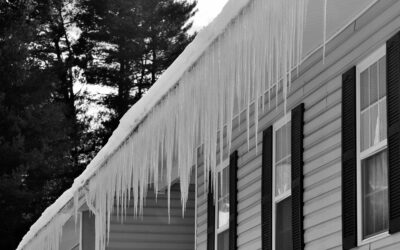
- Weight of Ice and Snow – Collapse or serious damage from heavy accumulation is often included.
If your roof is damaged in one of these events, your insurance policy may pay for repair or replacement depending on severity.
When Insurance May Not Cover a Roof Replacement
Insurance companies won’t pay for everything. Common exclusions include:
- Normal Wear and Tear – Roofs naturally age. If yours is simply worn out, insurance won’t replace it.
- Poor Maintenance – Ignoring small leaks or failing to clean gutters may void coverage.
- Old Roofs – Many insurers reduce coverage for roofs older than 15–20 years. Some exclude them entirely.
- Improper Installation – If the roof wasn’t installed correctly, damage may not be covered.
- Cosmetic Damage – Dents or scratches from hail that don’t affect function may not qualify.
Actual Cash Value vs. Replacement Cost
One of the most important parts of roof insurance coverage is whether your policy pays Actual Cash Value (ACV) or Replacement Cost Value (RCV).
- ACV Policies: Pay the depreciated value of your roof. If your roof is 15 years old, you’ll only get a fraction of replacement cost.
- RCV Policies: Pay the full cost to replace your roof with similar materials, minus your deductible.
If you want maximum protection, a replacement cost policy is usually the better choice, though premiums are higher.
How the Roof Insurance Claim Process Works
If your roof has been damaged, here’s what typically happens:
- Document the Damage – Take clear photos and notes right away.
- Prevent Further Damage – Cover holes or leaks with tarps. Insurance expects you to mitigate damage.
- Contact Your Insurance Company – File a claim as soon as possible.
- Schedule an Adjuster Inspection – The insurer will send someone to inspect and assess.
- Hire a Roofing Contractor for an Estimate – Get a professional opinion. Sometimes contractors find more damage than adjusters.
- Review Settlement Offer – The insurance company will provide an amount they’re willing to pay.
- Approval and Replacement – Once approved, you can schedule the roof replacement.
Common Issues Homeowners Face
Even when coverage seems clear, disputes can arise. Here are a few challenges homeowners often encounter:
- Underpayment – Insurance may only approve partial repairs.
- Denial of Claims – Insurers sometimes argue damage is cosmetic or due to age.
- Delays – It can take weeks or months for approval.
- High Deductibles – Even if approved, you’ll pay your deductible first.
Tips to Improve Your Chances of Insurance Coverage
- Keep Records – Save roof inspection reports, repair receipts, and maintenance logs.
- Know Your Policy – Review coverage terms before damage occurs.
- Act Quickly – Waiting too long to file may hurt your claim.
- Use a Professional Contractor – Experienced roofers can document damage thoroughly.
- Consider a Public Adjuster – If disputes arise, a public adjuster can represent your interests.
Cost Factors When Insurance Pays
Even if insurance helps, you may still have out-of-pocket expenses. Costs depend on:
- Deductible – Often $1,000–$5,000 depending on policy.
- Material Choice – Asphalt shingles are cheapest; metal or tile roofs cost more.
- Local Building Codes – If upgrades are required to meet code, insurance may or may not cover them.
- Scope of Damage – Full replacements are more expensive but sometimes necessary.
Real-Life Scenarios
Scenario 1: Storm Damage to a 10-Year-Old Roof
A homeowner’s asphalt shingle roof was badly damaged by hail. Because the roof was only 10 years old and the policy was replacement cost, the insurance company paid for a full new roof minus the deductible.
Scenario 2: Wind Damage on a 25-Year-Old Roof
Another homeowner’s older roof lost shingles in a storm. Since the roof exceeded the insurer’s age limit, the claim was denied, leaving the homeowner responsible for full replacement.
Scenario 3: Tree Damage on a Metal Roof
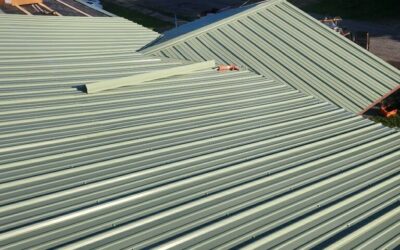
A heavy tree limb crashed through a newer metal roof. The policy covered repairs under falling objects, but only paid actual cash value since the policy wasn’t replacement cost.
Frequently Asked Questions
1. Does homeowners insurance pay for a new roof if it’s old?
Usually not. If the roof is beyond its expected lifespan, coverage is limited or excluded.
2. Will insurance replace a roof for leaks?
It depends on the cause. If leaks are from storm damage, yes. If leaks are due to wear and tear, no.
3. Does insurance cover partial repairs?
Yes, if only part of the roof is damaged. However, some states require full replacement if matching materials aren’t available.
4. Can I choose better roofing materials during replacement?
Yes, but insurance typically only pays for “like kind and quality.” You’ll cover the difference if you upgrade.
5. Should I file a claim for minor damage?
Maybe not. If repair costs are close to your deductible, it may not be worth filing.
Preventing Insurance Headaches
You can’t control the weather, but you can take steps to make the claims process easier:
- Get regular roof inspections.
- Fix small issues quickly before they become big problems.
- Choose durable materials that withstand local weather.
- Understand your policy’s exclusions and limits.
Final Thoughts
So, does homeowners insurance pay for a new roof? The answer is yes—but only under certain conditions. If your roof is damaged by a covered peril such as wind, hail, fire, or falling objects, insurance may pay for repair or replacement. But if the roof is simply old, poorly maintained, or damaged by excluded causes, you’ll likely pay out-of-pocket.
The best way to prepare is to understand your policy, keep your roof in good condition, and document everything if damage occurs. With the right approach, you can protect your home and avoid unexpected financial burdens. 440-235-3124