(440) 307-2060
Durable Roofing: The Ultimate Guide to Long-Lasting Roofs
When it comes to protecting your home, one of the most critical components is the roof. A roof shields your home from the elements, provides insulation, and adds to your property’s overall value. Homeowners today are increasingly focused on durable roofing solutions that not only offer longevity but also require minimal maintenance and withstand harsh weather conditions. In this guide, we will explore what makes a roof durable, the most resilient materials available, factors to consider when choosing a durable roof, and how proper installation and maintenance can maximize its lifespan.
Understanding Durable Roofing
Durable roofing refers to roofing systems designed to last for decades while maintaining structural integrity and aesthetic appeal. Unlike standard roofs that may need replacement every 15–20 years, durable roofs can last 30 years, 50 years, or even longer, depending on the materials, installation quality, and maintenance. The key characteristics of durable roofing include:
- Weather resistance: Ability to withstand heavy rain, snow, wind, and temperature extremes.
- Material strength: Resistance to cracking, splitting, curling, or denting.
- Low maintenance: Minimal repairs required over the roof’s lifespan.
- Energy efficiency: Some durable roofs reflect heat or provide insulation, reducing energy costs.
- Aesthetic longevity: Maintains color, texture, and overall appearance over time.
Durable roofing is an investment that pays off in reduced repairs, fewer replacements, and long-term peace of mind.
Common Types of Durable Roofing Materials
When selecting durable roofing, material choice plays a significant role. Here are some of the most long-lasting roofing materials available:
Asphalt Shingles
While asphalt shingles are one of the most common roofing materials, not all shingles are created equal. Architectural or laminated asphalt shingles are more durable than basic three-tab shingles. They offer:
- Lifespan: 25–30 years or longer for premium options.
- Weather resistance: Can handle moderate wind and hail damage.
- Affordability: Cost-effective for long-term durability.
These shingles provide a balance between cost, appearance, and durability, making them a popular choice for homeowners.
Metal Roofing
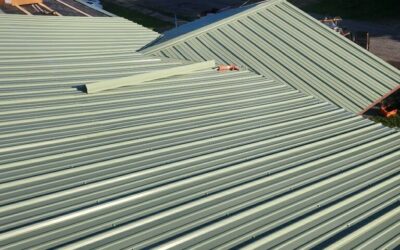
Metal roofing has grown in popularity due to its unmatched longevity and resilience. Available in panels or shingles, metal roofs can last 40–70 years depending on the material. Key benefits include:
- Resistance to extreme weather: Metal roofs withstand heavy snow, rain, and high winds.
- Fire resistance: Metal is non-combustible, offering protection against wildfires.
- Low maintenance: Requires minimal upkeep beyond occasional inspections.
- Energy efficiency: Reflective coatings help reduce cooling costs.
Aluminum, steel, and copper are common metal options, each with unique aesthetic and performance qualities.
Slate Roofing
Slate is one of the most durable roofing materials available. Naturally occurring stone tiles provide exceptional longevity. Key features include:
- Lifespan: 75–200 years with proper installation and maintenance.
- Strength: Extremely resistant to fire, moisture, and pests.
- Aesthetic appeal: Offers a classic and elegant appearance with unique textures.
Slate roofing is heavier and more expensive than other options but is ideal for homeowners seeking a lifetime roofing solution.
Clay and Concrete Tiles
Clay and concrete tiles are known for durability and aesthetic versatility. Their key benefits include:
- Lifespan: 50–100 years depending on quality and maintenance.
- Weather resistance: Resistant to fire, rot, and insect damage.
- Energy efficiency: Naturally insulating, reducing cooling costs.
These tiles are especially popular in regions with hot climates due to their ability to reflect sunlight and maintain cooler indoor temperatures.
Synthetic Roofing Materials
Synthetic roofing materials, including rubber, plastic, and polymer-based shingles, mimic natural materials like slate or wood but offer enhanced durability. Advantages include:
- Lifespan: 50+ years depending on the product.
- Impact resistance: Designed to withstand hail, wind, and heavy debris.
- Low maintenance: Resistant to cracking, fading, and warping.
- Lightweight: Easier to install than natural stone or tile.
Synthetic roofing can be an excellent option for homeowners seeking a durable roof with lower weight and maintenance demands.
Factors That Affect Roofing Durability
Even the best materials require proper consideration to achieve maximum lifespan. Several factors influence the durability of a roof:
Climate
Weather conditions play a significant role in roof longevity. Roofs in areas with extreme heat, heavy snowfall, or frequent storms may experience faster wear. Choosing materials suited to your local climate is essential for long-term performance. For example:
- Metal or tile roofs excel in hot, sunny regions.
- Slate or asphalt shingles perform well in areas with heavy rain.
- Steep-sloped roofs help prevent snow accumulation in colder climates.
Roof Design
Roof design, slope, and ventilation impact durability. Proper slope ensures water drains effectively, reducing the risk of leaks. Adequate ventilation prevents heat and moisture buildup in the attic, extending the roof’s lifespan.
Installation Quality
Even the most durable roofing materials can fail if installation is subpar. Professional installation ensures proper alignment, secure fastening, and adherence to manufacturer guidelines, which are crucial for long-term performance.
Maintenance
Regular inspections and maintenance are key to durability. Simple tasks like clearing debris, cleaning gutters, checking for damaged shingles, and inspecting flashing can prevent minor issues from becoming costly repairs.
Foot Traffic
Roofs are not designed for heavy foot traffic. Walking on a roof unnecessarily can damage shingles, tiles, or underlayment. Using designated access points and proper footwear when inspection is necessary helps maintain longevity.
Signs Your Roof May Need Replacement
Even a durable roof will eventually require attention. Knowing the signs of wear can help prevent major issues:
- Curling or cracking shingles
- Missing or broken tiles
- Granules in gutters
- Water stains on ceilings or walls
- Leaks during heavy rain
- Sagging areas
Early detection and repair can extend the life of your roof and protect your home from damage.
Advantages of Choosing Durable Roofing
Investing in a durable roof offers numerous advantages beyond simple longevity:
- Cost savings over time: Fewer repairs and replacements mean long-term savings.
- Increased home value: A high-quality, durable roof improves curb appeal and property value.
- Enhanced safety: Stronger materials are less likely to fail during storms or extreme conditions.
- Energy efficiency: Many durable roofs provide insulation and reflective coatings, reducing heating and cooling costs.
- Peace of mind: Knowing your roof can withstand the elements reduces stress during severe weather.
Tips for Maximizing Roof Longevity
Even the most durable roofing materials benefit from proper care. Follow these tips to extend your roof’s lifespan:
- Schedule regular inspections: At least twice a year, ideally in spring and fall.
- Clean gutters and downspouts: Prevent water buildup that can damage shingles or underlayment.
- Trim overhanging branches: Reduces debris accumulation and limits damage from falling limbs.
- Address minor issues promptly: Repair small leaks, broken shingles, or damaged flashing immediately.
- Ensure proper attic ventilation: Helps regulate temperature and moisture levels.
- Avoid walking unnecessarily: Use ladders or scaffolding when needed to prevent unnecessary foot traffic.
The Role of Roof Underlayment
A durable roof is more than the surface material. Underlayment acts as a protective barrier between shingles or tiles and the roof deck. Quality underlayment provides:
- Waterproofing: Reduces risk of leaks from heavy rain or melting snow.
- Additional insulation: Improves energy efficiency and indoor comfort.
- Protection during installation: Shields the roof deck before shingles or tiles are installed.
Choosing high-quality underlayment is an investment that complements the durability of the roofing material.
Roof Flashing and Durability
Flashing is essential for sealing areas where the roof meets vertical surfaces like chimneys, vents, and skylights. Proper flashing installation is critical for a durable roof. Poor flashing can cause:
- Water infiltration
- Rotting wood
- Mold or mildew
- Premature roof failure
Durable roofing systems rely on strong, properly installed flashing to protect vulnerable points.
Cost Considerations
While durable roofing may have a higher upfront cost, it often proves more cost-effective over time. Consider the following:
- Material cost: Slate and metal are pricier initially than asphalt shingles but last significantly longer.
- Installation cost: Professional installation ensures longevity and prevents costly mistakes.
- Maintenance cost: Durable roofs require less frequent repairs.
- Replacement frequency: Fewer replacements over decades offset initial investment.
Ultimately, durable roofing is a long-term investment that combines protection, aesthetics, and financial benefits.
Choosing the Right Contractor
Selecting a reputable contractor is essential for a durable roof. Look for:
- Proper licensing and insurance
- Experience with the chosen material
- References and customer reviews
- Clear estimates and warranties
- Commitment to safety and quality standards
A skilled contractor ensures your roof performs as intended, providing long-lasting protection for your home.
Environmental Benefits of Durable Roofing
Many durable roofing materials also provide environmental benefits:
- Metal and tile roofs can often be recycled at the end of their lifespan.
- Reflective coatings reduce energy consumption and heat island effects.
- Synthetic roofing can be made from recycled materials.
Choosing a durable roof can contribute to sustainability while protecting your home.
Conclusion
Durable roofing is more than just a trend; it’s a practical investment in the safety, efficiency, and longevity of your home. From asphalt shingles and metal panels to slate, clay, and synthetic options, the right material, proper installation, and regular maintenance ensure your roof can withstand the test of time.
Understanding the factors that impact roof durability—climate, design, installation quality, and maintenance—empowers homeowners to make informed decisions. With careful planning and attention to detail, you can enjoy a roof that not only protects your home but also enhances its value and curb appeal for decades.
Investing in durable roofing means fewer repairs, fewer replacements, and peace of mind knowing your home is shielded from nature’s challenges. Whether building a new home or replacing an aging roof, choosing durable materials and professional installation is the key to a long-lasting, reliable roof. 440-235-3124