(440) 307-2060
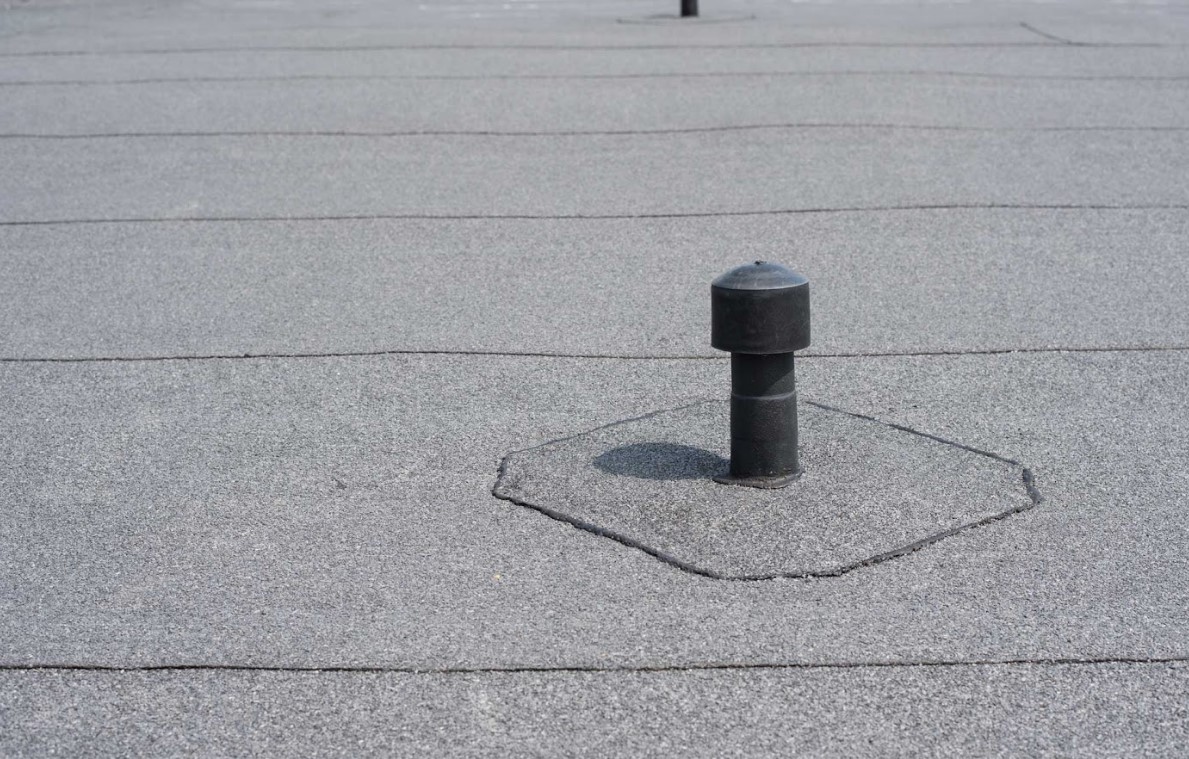
When snow sits on a low-slope roof for several days in Cleveland, membrane performance becomes measurable. Seams are tested. Drainage matters. Cold-weather flexibility is no longer theoretical.
That is why property owners frequently research the types of flat roof membranes available in Cleveland, OH and compare TPO vs EPDM vs PVC before selecting a system.
Low-slope roofing systems are common across Northeast Ohio on commercial buildings, churches, assisted living facilities, multi-family properties, and even residential additions like sunrooms. Choosing between flat roof materials is not about selecting the most popular product. It is about choosing a membrane that performs reliably under freeze-thaw cycles, ponding water, rooftop equipment loads, and long-term budget planning.
Understanding the five primary types of flat roof membranes used in Cleveland is the first step toward making a confident, informed decision.
What This Guide Covers About Flat Roof Membranes in Cleveland, OH
To provide a clear overview of flat roof materials used in Cleveland, this guide explains:
- The five most common types of flat roof membranes
- How TPO vs EPDM vs PVC compares in real-world performance
- Lifespan expectations for low-slope roofing systems
- Budget considerations and long-term value
- Which membranes tend to perform best in Northeast Ohio conditions
Each section builds on the same central goal: helping property owners evaluate flat roof membranes in Cleveland, OH with clarity and practical insight.
Why Membrane Selection Matters for Low-Slope Roofing in Cleveland, OH
Before comparing specific types of flat roof membranes, it helps to understand how these systems fit into the broader category of commercial roofing.
Flat or low-slope roofs rely on a continuous waterproof membrane rather than shingles. That membrane becomes the primary barrier against moisture, especially in a climate like Cleveland, where snow accumulation and freeze-thaw cycles are common.
Flat roof membranes are one category within commercial roofing systems. Other building types may use metal panels, architectural shingles, or specialty systems depending on slope and structure. If you want a broader overview of system categories used in commercial buildings, read “Understanding the Different Types of Commercial Roofing.”
With that broader framework in mind, we can now focus specifically on the five types of flat roof membranes most commonly used on low-slope buildings in Cleveland, OH.
Key Considerations Before Choosing Among Flat Roof Materials
When property owners begin comparing types of flat roof membranes in Cleveland, several practical factors shape the decision.
Budget and Lifecycle Planning
Initial installation cost is only one part of the equation. Some flat roof materials cost less upfront but may require earlier replacement. Others involve a higher investment but provide stronger seam performance and longer service life.
When evaluating TPO vs EPDM vs PVC, lifecycle value is often more important than upfront pricing.
Building Use and Roof Traffic
Flat roof membranes perform differently depending on building type. A warehouse roof with minimal traffic has different demands than a multi-family property with frequent HVAC servicing.
Understanding how the roof is used helps narrow down which flat roof materials make the most sense.
Insulation and Energy Efficiency
Reflective membranes like TPO and PVC can reduce heat absorption in summer. However, in Cleveland’s colder climate, heating demands often outweigh cooling needs. Energy goals should be evaluated realistically within the context of local weather.
Existing Roof Conditions
In some cases, a new membrane can be installed over an existing system. In others, a full tear-off is necessary. The structural condition of the existing roof influences which types of flat roof membranes are feasible.
Once these factors are clear, it becomes easier to evaluate the five primary flat roof materials used in Cleveland.
5 Types of Flat Roof Membranes Used in Cleveland, OH
With those considerations in mind, let’s look at the five most common types of flat roof membranes installed on low-slope buildings in Northeast Ohio.
1. EPDM Rubber Roofing
EPDM is a synthetic rubber membrane commonly installed in black.
Strengths
- Excellent flexibility in cold weather
- Long performance history
- Cost-effective installation
- Typical lifespan of 20 to 30 years
Limitations
- Dark surface absorbs heat
- Seams rely on adhesive or tape systems
In Cleveland’s freeze-thaw environment, EPDM performs consistently because it remains flexible during cold cycles. For many commercial properties, it offers reliable protection at a practical cost.
When comparing TPO vs EPDM vs PVC, EPDM is often selected for its cold-weather resilience.
2. TPO Roofing
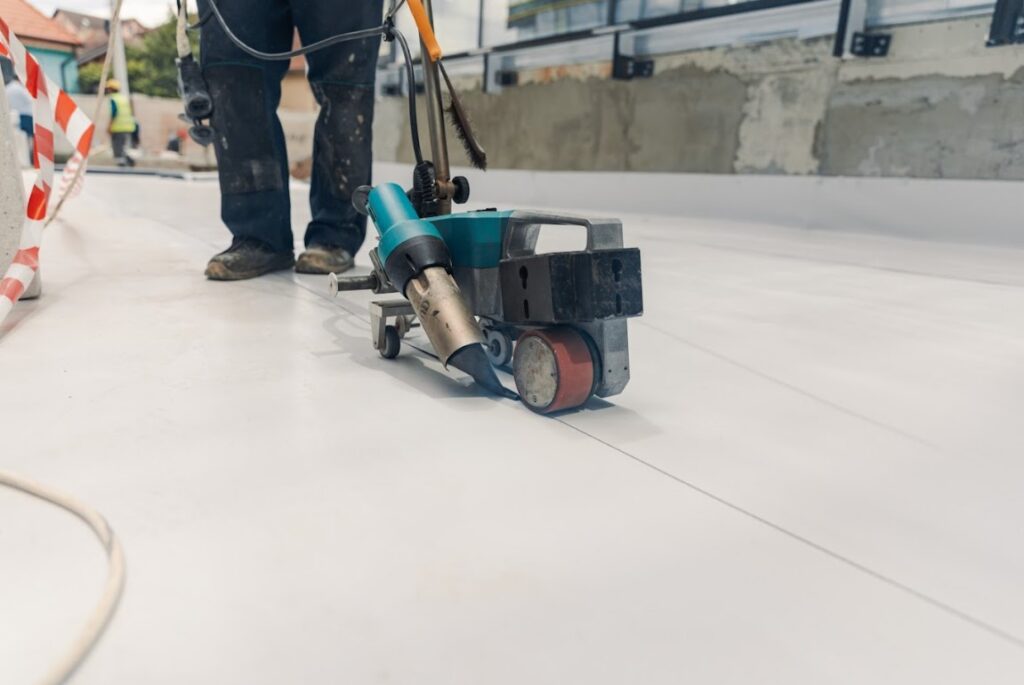
TPO is a single-ply thermoplastic membrane, typically white, with heat-welded seams.
Strengths
- Reflective surface
- Heat-welded seams
- Competitive mid-range pricing
Limitations
- Performance varies by manufacturer
- Less flexible than EPDM in extreme cold
For property owners evaluating flat roof membranes with energy efficiency in mind, TPO is frequently considered. Its seam strength makes it a strong contender in the TPO vs EPDM vs PVC comparison.
3. PVC Roofing
PVC is another thermoplastic membrane with heat-welded seams.
Strengths
- Chemical resistance
- Excellent seam durability
- Reflective surface
Limitations
- Higher upfront cost
- Slightly more rigid material
PVC is often used on buildings exposed to grease or chemical discharge. In Cleveland, it is commonly installed on restaurants and certain commercial facilities.
Within the broader conversation about types of flat roof membranes, PVC stands out for specialty applications.
4. Modified Bitumen
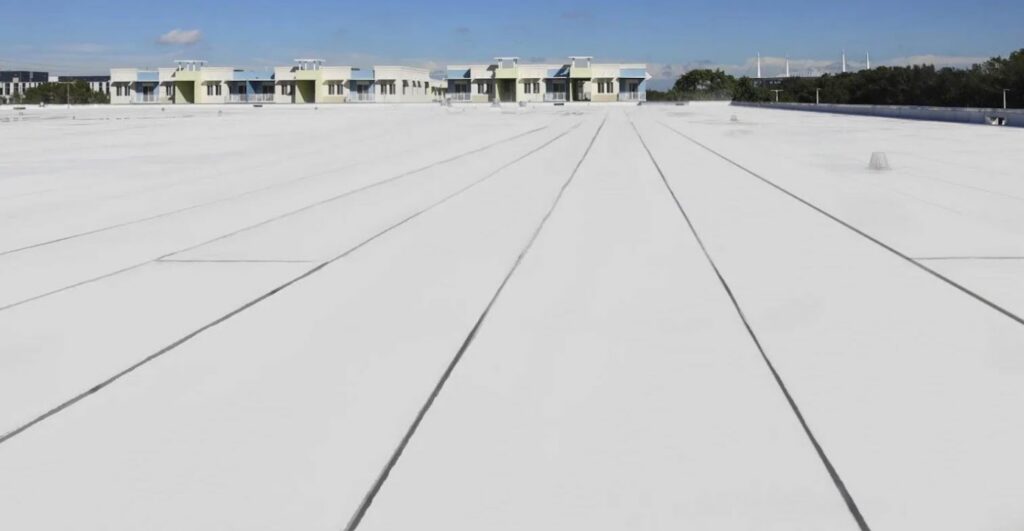
Modified bitumen is an asphalt-based membrane reinforced with fiberglass or polyester.
Strengths
- Multi-layer construction
- Good puncture resistance
- Familiar installation methods
Limitations
- Heavier system
- Less reflective without coating
Although single-ply membranes are more common today, modified bitumen remains one of the established flat roof materials used in specific retrofit situations.
5. Built-Up Roofing (BUR)
Built-Up Roofing consists of layered bitumen and reinforcing fabrics.
Strengths
- Redundant waterproofing layers
- Durable under foot traffic
Limitations
- Labor-intensive installation
- Greater structural weight
While less common in modern construction, BUR remains one of the traditional types of flat roof membranes used on older commercial buildings.
TPO vs EPDM vs PVC: Comparing the Most Popular Flat Roof Materials
Now that we have reviewed all five types of flat roof membranes, most Cleveland property owners narrow the comparison to TPO vs EPDM vs PVC.
Here is how they compare in practical terms.
Cold Climate Performance
EPDM performs very well in cold temperatures due to its flexibility. TPO and PVC are durable but can be less forgiving in extreme cold conditions.
Seam Integrity
TPO and PVC use heat-welded seams, creating strong bonds. EPDM uses adhesive or taped seams.
Energy Considerations
TPO and PVC are typically white and reflective. EPDM is generally black, though white options are available.
Cost Structure
EPDM is usually the most cost-effective. TPO falls in the mid-range. PVC often carries the highest initial cost.
For many buildings in Cleveland, selecting among these flat roof materials comes down to balancing seam strength, cold-weather flexibility, and long-term maintenance expectations.
Installation Quality and Regional Risk Factors
Regardless of which types of flat roof membranes you choose, installation quality plays a critical role.
Flat roof systems in Cleveland must manage:
- Ponding water
- Ice buildup
- Wind uplift
- Drainage limitations
Membrane choice alone does not solve design flaws. Proper slope, insulation configuration, and seam detailing determine long-term performance.
Understanding this connection between material and workmanship is essential when evaluating flat roof membranes in Cleveland, OH.
Cleveland, OH Flat Roof Membrane FAQs: Comparing Low-Slope Roofing Materials
After reviewing the different types of flat roof membranes used in Cleveland, OH, many property owners still have specific questions about performance, lifespan, and material comparisons. The answers below provide direct guidance to help you evaluate flat roof materials with confidence.
What are the most common types of flat roof membranes?
The most common types of flat roof membranes are EPDM, TPO, PVC, modified bitumen, and built-up roofing. These five flat roof materials are widely used on low-slope commercial buildings because they provide continuous waterproof protection. Each membrane type differs in seam method, flexibility, cost, and durability.
What is the best flat roof membrane for Cleveland, OH?
The best flat roof membrane for Cleveland, OH depends on the building’s design and exposure conditions. EPDM performs well in cold weather due to its flexibility, while TPO and PVC offer heat-welded seams and reflective surfaces. A professional inspection helps determine which membrane best fits the structure and budget.
How long do flat roof membranes last in Northeast Ohio?
Flat roof membranes in Northeast Ohio typically last 20 to 30 years when properly installed and maintained. Lifespan depends on membrane thickness, insulation design, drainage performance, and exposure to freeze-thaw cycles. Regular inspections can extend service life.
Is TPO better than EPDM for commercial flat roofs?
TPO is not automatically better than EPDM for commercial flat roofs. TPO provides heat-welded seams and reflectivity, while EPDM offers strong cold-weather flexibility and often lower upfront cost. The better option depends on building use and climate considerations.
How does PVC compare to TPO and EPDM?
PVC compares to TPO and EPDM by offering strong chemical resistance and heat-welded seams but typically at a higher cost. PVC is often preferred for buildings exposed to grease or chemical discharge. For standard commercial applications, TPO and EPDM may provide similar durability at different price points.
Can a new flat roof membrane be installed over an existing roof?
A new flat roof membrane can sometimes be installed over an existing system if the structure is sound and moisture levels are within acceptable limits. However, if insulation is saturated or decking is compromised, a full tear-off may be required. An inspection determines the appropriate approach.
Which flat roof material is most cost-effective?
EPDM is typically the most cost-effective flat roof material in terms of initial installation cost. TPO generally falls in the mid-range, while PVC often has the highest upfront investment. Long-term value depends on installation quality and maintenance.
Do flat roof membranes handle ponding water well?
Flat roof membranes can handle limited ponding water when properly designed with adequate drainage. However, chronic standing water can shorten the lifespan of any flat roof material. Proper slope and drainage planning are critical in Cleveland’s climate.
Choosing the Right Flat Roof Membranes for Long-Term Performance in Cleveland, OH
Selecting among the types of flat roof membranes used in Cleveland, OH is ultimately a strategic decision.
When comparing flat roof materials or evaluating TPO vs EPDM vs PVC, consider:
- Cold-weather flexibility
- Seam durability
- Building usage
- Budget planning
- Long-term maintenance
At S&K Construction And Remodeling, we install and repair flat roof membranes across Northeast Ohio with careful planning and clear documentation. Our role is to help property owners understand their options so they can move forward confidently.
If you are evaluating flat roof materials for a commercial building or low-slope section in Cleveland, request your complimentary roof assessment today.