(440) 307-2060

Spring and summer storms in Northeast Ohio can arrive quickly and leave homeowners wondering whether their roof suffered serious damage. After a hailstorm, it’s common to step outside and start asking the same question: Do I need repairs, or do I need a full roof replacement after hail damage?
Many homeowners researching storm damage are trying to understand how much hail damage is too much for a roof and whether their situation meets the level where insurance may approve replacement.
Hailstorms in the Cleveland area can produce hailstones large enough to bruise shingles, knock off protective granules, and weaken roofing systems. While some damage can be repaired, widespread impact may mean the roof is no longer able to properly protect the home.
In this guide, we’ll explain:
- When hail damage requires roof replacement
- How contractors determine how much hail damage is too much for a roof
- How insurance companies evaluate hail damage before approving replacement
- Warning signs that hail damage may be severe
- When to schedule a professional roof inspection
If your roof may have been affected by a recent storm, S&K Construction and Remodeling can help with a professional inspection and clear guidance on the next steps.
Why Hail Damage Is a Roofing Concern in Cleveland
Cleveland homeowners experience a wide range of weather conditions throughout the year. Severe thunderstorms during spring and summer can bring hail capable of damaging roofing systems.
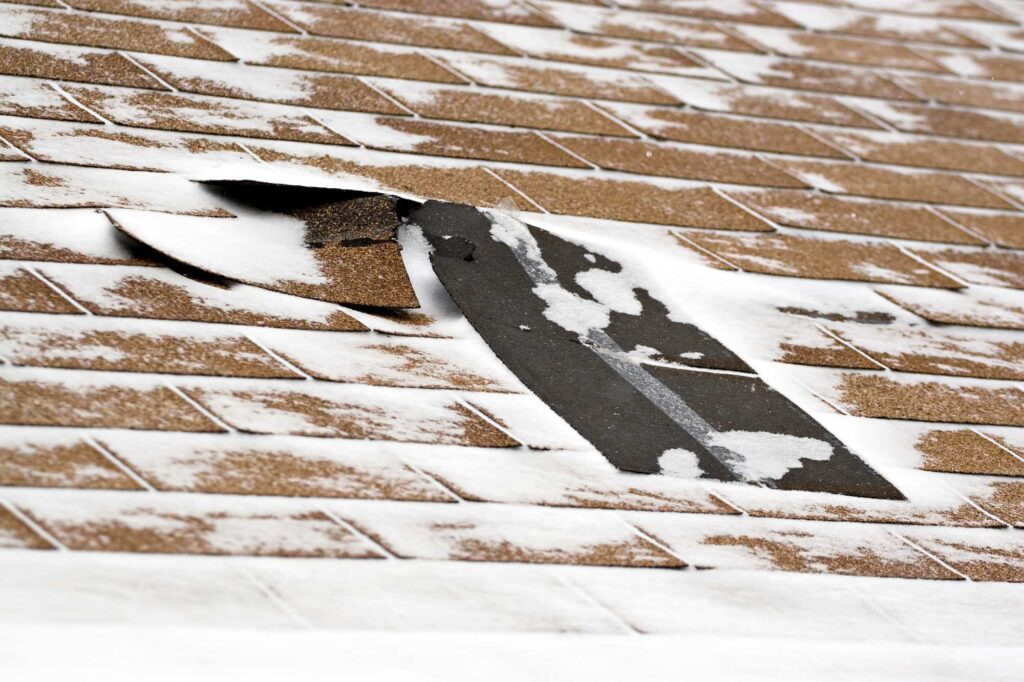
Hail damage occurs when hailstones strike shingles with enough force to weaken their protective outer layer. Over time, this can shorten the life of the roof and increase the risk of leaks.
Common signs of hail damage include:
- dents or impact marks on shingles
- loss of protective granules
- cracked or fractured shingles
- exposed fiberglass matting beneath the shingle surface
Even when the damage appears minor, repeated impacts across the roof can weaken the entire system.
That’s why many homeowners ask how much hail damage is too much for a roof before deciding whether repairs or replacement are necessary.
What Homeowners Should Know Before Addressing Hail Damage
Before determining whether hail damage requires roof replacement, several factors should be considered.
Roof Age
Older roofs tend to be more vulnerable to hail damage. If a roof is already near the end of its expected lifespan, hail impacts may accelerate deterioration and make replacement the better option.
Roofing Materials
Different roofing materials react differently to hail. Asphalt shingles, which are common in Cleveland homes, may bruise or lose granules after hail impacts.
Insurance Coverage
Many homeowner insurance policies cover hail damage when the damage is severe enough. Insurance companies typically evaluate whether the damage meets their hail damage insurance threshold for roofs before approving replacement.
Professional Inspection
Determining the true extent of hail damage usually requires a professional inspection. Many forms of damage are difficult to see from the ground.
Understanding these factors helps homeowners prepare for the roof inspection and insurance claim process.
When Hail Damage Requires Roof Replacement
Roofing contractors evaluate several key factors when determining whether a roof needs replacement after hail damage.
Hailstone Size and Impact Force
Larger hailstones are more likely to cause significant roofing damage.
Typical damage thresholds include:
- 1 inch hail (quarter size) – minor granule loss possible
- 1.25 inch hail (half-dollar size) – shingle bruising possible
- 1.5 inch hail or larger – higher likelihood of structural damage
Larger hail increases the chance that roof replacement after hail damage may be necessary.
Density of Hail Impacts
Roofing inspectors often examine a 10-foot by 10-foot test square to measure hail impact density.
In many insurance inspections:
- 8 or more hits within a test square may qualify the roof for replacement
- fewer hits may lead to repair recommendations
This test helps determine how much hail damage is too much for a roof.
Bruising and Fiberglass Mat Exposure
Hail impacts can create bruising beneath the surface of shingles. When bruising occurs, the fiberglass reinforcement layer may become exposed.
Signs of this type of damage include:
- circular impact marks
- soft spots in shingles
- cracked shingle surfaces
Bruised shingles often deteriorate faster and may justify roof replacement.
Damage Across Multiple Roof Slopes
Insurance companies often look for hail damage on multiple slopes of the roof rather than isolated areas.
If several roof sections show impact damage, contractors may recommend roof replacement after hail damage instead of limited repairs.
How Insurance Determines Whether Hail Damage Qualifies for Replacement
Insurance companies use several criteria when evaluating hail damage claims.
Common factors include:
- the number of hail hits per inspection square
- severity of shingle damage
- exposure of the fiberglass mat
- overall roof condition before the storm
If the damage meets the insurer’s hail damage insurance threshold, the policy may cover full roof replacement.
Because insurance requirements vary, many homeowners request a second opinion inspection to confirm whether the roof qualifies for replacement.
Roofing Materials and Hail Resistance in Northeast Ohio
Some roofing materials perform better than others during hailstorms.
Architectural Asphalt Shingles
Pros
- durable and widely used throughout Cleveland
- strong wind resistance
- cost-effective installation
Cons
- vulnerable to severe hail impacts
Impact-Resistant Shingles
Pros
- designed to withstand hail impact
- longer lifespan in storm-prone regions
- may qualify for insurance discounts
Cons
- higher installation cost
Choosing durable roofing materials can reduce the risk of severe damage during future storms.

Cleveland Hail Damage Roofing Questions Homeowners Ask Most
After a hailstorm passes through Northeast Ohio, many homeowners start researching whether their roof needs repairs or replacement. The questions below address common concerns people have when evaluating hail damage and deciding what steps to take next.
How much hail damage is too much for a roof?
Hail damage is considered too severe when shingles show widespread bruising, cracking, or granule loss across multiple areas of the roof. When this level of damage occurs, contractors often recommend roof replacement instead of repairs because the roofing system may no longer properly protect the home.
What size hail can damage a roof?
Hailstones around one inch in diameter or larger can damage asphalt shingles. Larger hailstones increase the likelihood of bruising, cracked shingles, and loss of protective granules.
When will insurance cover roof replacement after hail damage?
Insurance will often cover roof replacement after hail damage when the damage meets the insurer’s coverage threshold. This usually requires a professional inspection showing multiple hail impacts or shingle damage across several roof areas.
Should I get a roof inspection after a hailstorm?
Yes, homeowners should get a roof inspection after a hailstorm if they suspect damage. A professional inspection can identify bruised shingles, granule loss, or other problems that may not be visible from the ground.
How soon should hail damage be inspected?
Hail damage should be inspected as soon as possible after the storm. Early inspections help contractors properly document damage and determine whether repairs or replacement may be necessary.
Protecting Your Home After Hail Damage
Hail damage is not always immediately visible, but understanding when hail damage requires roof replacement helps homeowners make informed decisions after a storm.
When shingles become bruised, cracked, or lose significant granules, replacing the roof may be the safest long-term solution.
S&K Construction and Remodeling helps homeowners throughout Northeast Ohio inspect hail damage, document roof conditions, and determine whether repairs or replacement are needed.
If your roof may have been affected by a recent storm, schedule your free inspection today to receive a professional evaluation and expert guidance on the next steps.