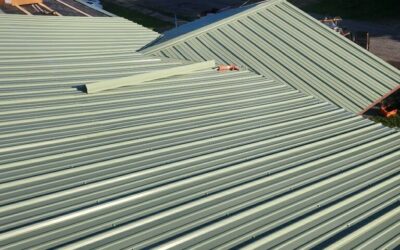
A hailstorm can pass in just a few minutes, but the damage it leaves behind can affect your roof for years.
The problem is that hail damage isn’t always easy to spot. From the ground, your roof may look perfectly fine, yet the shingles could have hidden bruises, cracked seal strips, or missing granules that slowly lead to leaks. Many homeowners don’t realize there’s a problem until water stains appear on the ceiling or an insurance adjuster points out the damage months later.
That’s why acting quickly after a storm is so important.
Professional hail damage roofing companies know what to look for and can identify damage that most homeowners would never notice. A timely inspection can also help you document the condition of your roof before small issues turn into expensive repairs or a complete roof replacement.
In this guide, we’ll cover the warning signs of hail damage, explain when to call a roofing professional, and show you how experienced contractors help homeowners throughout Northeast Ohio protect their homes after severe weather.
Quick Answer: You should schedule a professional inspection as soon as possible after a hailstorm if you notice dented gutters, damaged shingles, granules collecting around downspouts, water stains inside your home, or debris on your property. Even if you don’t see obvious damage, hidden problems can weaken your roofing system over time.
A qualified inspection helps determine whether your roof needs a simple repair or full storm damage roof replacement, while also providing documentation that may support an insurance claim.
Why Hail Damage Should Never Be Ignored
Not every hailstorm causes serious roof damage, but even moderate storms can shorten the life of your roof.
When hail strikes asphalt shingles, it can loosen protective granules, crack the surface, or weaken the shingle without creating an obvious hole. Those small impact points allow moisture and sunlight to accelerate aging, reducing the roof’s ability to protect your home.
Over time, what started as minor hail damage can lead to:
- Roof leaks
- Missing shingles
- Water damage inside the attic
- Mold growth
- Damaged roof decking
- Higher roof replacement cost
- Reduced roof lifespan
The sooner damage is identified, the more options homeowners usually have.
Sign #1: Visible Damage to Your Shingles
One of the clearest signs that you need to contact a hail damage roofing company is visible damage to your shingles.
After a storm, you may notice:
- Dark impact marks
- Small circular dents
- Cracked shingles
- Torn shingle edges
- Missing granules
- Loose shingles
While some damage is easy to spot, many impact marks are subtle and require a trained eye.
Climbing onto your roof to inspect it yourself isn’t recommended. Wet shingles, steep slopes, and hidden weak spots create unnecessary safety risks.
Instead, schedule a professional roof inspection so the entire roofing system can be evaluated safely.
What Do Hail-Damaged Shingles Look Like?
Many homeowners expect hail damage to leave large holes in the roof.
In reality, most hail damage is much less obvious.
A damaged shingle may have:
- Soft impact bruises
- Black exposed asphalt spots
- Granules missing in small circles
- Surface cracks
- Broken seal strips
These problems may seem minor at first, but they reduce the protective layer that shields your roof from rain, UV rays, and changing temperatures.
If your roof already has aging asphalt shingles, hail can accelerate wear and increase the likelihood of future leaks.
Not Every Roof Needs Immediate Replacement
Finding hail damage doesn’t automatically mean you need a brand-new roof.
In some cases, only a few shingles require repair.
In others, widespread damage may make storm damage roof replacement the safest and most cost-effective solution.
The only way to know for sure is through a detailed inspection by an experienced roofing contractor who can evaluate both the visible and hidden damage.
A trustworthy contractor will recommend replacement only when it’s truly necessary, not simply because a storm occurred.
Sign #2: Water Stains or Roof Leaks Inside Your Home
Sometimes the first sign of hail damage isn’t on the roof at all. It’s inside your house.
After a storm, pay close attention to your ceilings, attic, and upper walls. Even a small water stain can indicate that hail has damaged your roofing system and allowed moisture to get inside.
Watch for signs such as:
- Brown or yellow ceiling stains
- Peeling paint
- Damp insulation in the attic
- Mold or mildew
- Dripping water after rain
- Musty odors
A leak doesn’t always appear immediately after a hailstorm. Water can slowly work its way through damaged shingles before becoming visible inside your home.
If you notice any of these warning signs, contact a professional hail damage roofing company as soon as possible. Catching the problem early may prevent more extensive repairs and help protect your home’s structure.
Hidden Roof Damage Can Become a Bigger Problem
Many homeowners assume that if the leak is small, the repair will be simple.
Unfortunately, that’s not always the case.
Water entering through hail-damaged shingles can soak the wood beneath the roofing materials. If left untreated, the damage may spread to the roof sheathing replacement area or even require roof decking replacement before a new roof can be installed.
That’s why professional inspections focus on the entire roofing system rather than only the shingles you can see from the ground.
The earlier hidden moisture is discovered, the easier and less expensive it usually is to fix.
Sign #3: Granules Collecting in Your Gutters
Asphalt shingles are coated with small mineral granules that protect them from sunlight, rain, and everyday weather.
During a severe hailstorm, those protective granules can be knocked loose.
After heavy rain, take a quick look at your gutters and downspouts.
If you notice a large amount of dark, sand-like material collecting inside, your shingles may have experienced significant impact damage.
Some granule loss is normal as roofs age, but excessive amounts after a storm should never be ignored.
A roofing professional can determine whether the loss is simply age-related or a sign that your roof has suffered hail damage.
Why Granule Loss Matters
Granules do much more than give shingles their color.
They protect the asphalt beneath from harmful UV rays and help extend the roof’s lifespan.
Once those granules are gone, shingles begin to wear out much faster.
Over time, this may lead to:
- Cracked shingles
- Curling edges
- Faster aging
- Reduced weather protection
- Shorter roof lifespan
- Increased need for future roof replacement services
If your roof already has older asphalt shingles, hail damage can speed up the deterioration process even more.
Sign #4: Damage to Gutters, Flashing, or Metal Components
Your shingles aren’t the only parts of your roof that can be damaged by hail.
Metal components often reveal storm damage even before the shingles do.
Look for dents on:
- Gutters
- Downspouts
- Roof vents
- Flashing
- Chimney caps
- Skylight frames
Visible dents on these surfaces usually indicate that the hail was strong enough to damage other parts of the roofing system as well.
That’s why experienced roofing companies hail damage specialists inspect every exterior component, not just the shingles.
Finding damage on metal doesn’t automatically mean you need a full roof replacement, but it does signal that a complete inspection is a smart next step.
Can Hail Damage Shorten the Life of Your Roof?
Yes.
Even when a roof doesn’t leak immediately, hail impacts can weaken shingles and reduce their ability to withstand future weather.
A roof that might have lasted another 10 years could begin showing signs of failure much sooner if storm damage goes unnoticed.
If you’ve recently been wondering how long does a new roof last, remember that severe weather is one of the biggest factors affecting roof lifespan. Regular inspections after major storms can help your roof reach its full expected service life.
Why Professional Inspections Matter
Not all storm damage is obvious.
Two neighboring homes may experience the same hailstorm, yet one roof could suffer significant damage while the other remains in good condition.
That’s why experienced contractors don’t rely on guesswork.
A professional inspection includes checking:
- Shingles
- Flashing
- Roof vents
- Gutters
- Ridge caps
- Attic ventilation
- Roof decking when necessary
- Signs of moisture beneath the roofing system
After the inspection, you’ll know whether your roof only needs repairs or whether a complete roof replacement is the safer long-term solution.
Sign #5: You’re Planning to File an Insurance Claim
One of the biggest mistakes homeowners make after a hailstorm is waiting too long to have their roof inspected.
Even if your roof looks fine from the ground, hidden damage can make the insurance claims process more difficult later. Most insurance companies expect homeowners to report storm damage within a reasonable time, and delaying an inspection may make it harder to connect the damage to a specific weather event.
Before contacting your insurance company, it’s a good idea to schedule a professional roof inspection.
An experienced hail damage roofing company can document visible damage, take photographs, and explain whether your roof needs repairs or complete storm damage roof replacement.
Having accurate documentation makes the claims process much smoother.
What Should You Do After a Hailstorm?
If your neighborhood has experienced hail, follow these simple steps.
- Walk around your property from the ground and look for obvious signs of damage.
- Check your gutters, siding, windows, and outdoor furniture for dents.
- Look inside your attic and ceilings for water stains or leaks.
- Avoid climbing onto the roof yourself.
- Schedule a professional inspection with a trusted roofing contractor.
- Keep photos of any visible damage.
- Contact your insurance company if storm damage is confirmed.
Taking action quickly can help prevent additional water damage and may reduce future roof replacement cost by addressing problems before they become more serious.
How to Choose the Best Company for Hail Damage Roof Replacement
Not every roofing contractor has experience working with storm-damaged roofs.
After severe weather, it’s common to see temporary contractors, sometimes called “storm chasers,” moving into affected neighborhoods. They often promise fast work or pressure homeowners into signing contracts immediately.
Instead, look for a local company with a strong reputation and experience serving your community.
A reliable hail damage roof replacement company should offer:
- Free roof inspections
- Experience with insurance claims
- Licensed and insured crews
- Clear written estimates
- High-quality roofing materials
- Strong workmanship warranties
- Positive local customer reviews
- No high-pressure sales tactics
Choosing the right contractor is just as important as choosing the right roofing materials.
Can Hail Damage Lead to a Full Roof Replacement?
Yes, but not every damaged roof needs to be replaced.
The decision depends on several factors, including:
- Age of the roof
- Size of the hail
- Number of damaged shingles
- Condition of the flashing
- Water intrusion
- Damage to the roof decking replacement area
- Damage to the roof sheathing replacement area
If the damage is widespread, replacing the roof is often the safest long-term solution.
If the damage is limited to a small section, targeted repairs may be enough.
A thorough inspection allows your contractor to recommend the most practical option based on your roof’s actual condition.
Frequently Asked Questions
How do I know if hail damaged my roof?
Common signs include cracked shingles, missing granules, dents on metal flashing or gutters, water stains inside your home, and loose roofing materials. Some damage isn’t visible from the ground, which is why a professional inspection is recommended.
Should I call a roofing company or my insurance company first?
Most homeowners benefit from scheduling a roof inspection first.
A roofing professional can identify storm-related damage, document the findings, and help you understand whether filing an insurance claim is appropriate.
Can hail damage cause roof leaks months later?
Yes.
A hailstorm can weaken shingles without creating an immediate leak. Over time, rain, snow, and changing temperatures may allow moisture to enter your home, causing leaks long after the storm has passed.
Does every hail-damaged roof need replacement?
No.
Some roofs only require repairs, while others need a complete roof replacement because the damage is too widespread. The best option depends on the condition of the roofing system after inspection.
When is the best time to replace a storm-damaged roof?
If your roof has suffered significant hail damage, it’s usually best to schedule repairs or replacement as soon as practical. Waiting too long can allow water damage to spread and increase repair costs.
If you’re unsure about timing, our guide on the best time to replace a roof can help you understand how weather and seasonal conditions affect roofing projects.
Why Choose S&K Roofing & Construction?
When hail damages your roof, you need more than a quick repair. You need a local team that understands how Northeast Ohio weather affects residential roofing and knows how to provide lasting solutions.
At S&K Roofing & Construction, we take a thorough approach to every inspection. We don’t just look at the shingles. We evaluate the flashing, gutters, ventilation, roof decking, and the overall condition of your roofing system before recommending repairs or replacement.
Homeowners trust us because we provide:
- Free, no-obligation roof inspections
- Honest recommendations based on your roof’s condition
- Experienced local roofing professionals
- Assistance throughout the insurance claim process
- High-quality materials built for Ohio weather
- Expert roof installation services
- Reliable roof replacement services
- Workmanship backed by quality standards
Our goal is simple: help you protect your home with solutions that last.
Final Thoughts
Hail damage isn’t always easy to spot, but ignoring it can lead to expensive repairs, hidden water damage, and a shorter roof lifespan.
Whether you notice cracked shingles, granules in your gutters, interior leaks, or dents on metal components, it’s worth having your roof inspected by professionals who understand storm damage.
A timely inspection gives you the information you need to make the right decision, whether that’s a simple repair or a complete storm damage roof replacement.
The sooner you act, the better your chances of protecting both your home and your investment.