(440) 307-2060
Hail Damage to Roof Insurance: What Homeowners Need to Know
When a storm passes through a neighborhood, one of the first concerns for homeowners is whether their home is protected. Hail damage to roof insurance is a critical factor in determining whether repairs or replacements are covered. Understanding how insurance policies respond to hail damage, what documentation is required, and how to work with insurance adjusters can save homeowners time, money, and stress.
This comprehensive guide explains everything homeowners need to know about hail damage to roofs, insurance coverage, filing claims, and preventing future damage. By the end, you will have a clear understanding of your rights and responsibilities when dealing with hail damage.
Understanding Hail Damage to Roofs
Hail can cause significant damage to roofs, sometimes requiring immediate repairs or complete replacement. The extent of damage often depends on hail size, wind speed, roof material, and age.
Common Signs of Hail Damage
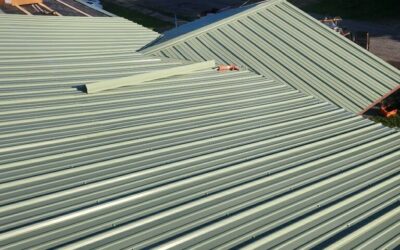
- Dents on Metal Roofing: Metal panels and flashing often show visible dents
- Cracked or Missing Shingles: Asphalt shingles may crack, lose granules, or curl
- Bruising on Shingles: Soft spots indicate damage beneath the surface
- Damaged Flashing: Metal around chimneys, vents, or skylights may be bent or cracked
- Gutter and Siding Damage: Hail can also dent gutters, downspouts, and siding
Factors Affecting Hail Damage
- Roof Material: Asphalt shingles are susceptible to granule loss; metal roofs may dent but remain functional.
- Roof Age: Older roofs are more vulnerable to damage.
- Hail Size and Velocity: Larger hailstones traveling at higher speeds cause more damage.
- Roof Slope and Pitch: Steeper roofs may deflect hail, reducing impact.
Insurance Coverage for Hail Damage to Roofs
Insurance coverage depends on your policy and the type of damage sustained. Most standard homeowners’ insurance policies include coverage for hail damage, but specific terms and deductibles vary.
Types of Coverage
- Dwelling Coverage: Covers the roof and structural elements of the home.
- Other Structures: Covers detached garages, fences, or sheds damaged by hail.
- Personal Property: Typically covers damage to belongings inside the home if hail penetrates the roof.
Understanding Policy Limits and Deductibles
- Deductibles are the portion of the repair cost the homeowner must pay out of pocket.
- Coverage limits vary depending on policy and roof replacement cost.
- Some policies have separate hail deductibles, often a percentage of the home’s insured value.
Filing a Hail Damage Roof Insurance Claim
Prompt and accurate filing can help homeowners recover the cost of repairs efficiently.
Steps to File a Claim
- Document the Damage: Take clear photos of roof, gutters, siding, and other impacted areas.
- Contact Your Insurance Company: Notify your insurer as soon as possible after the storm.
- Schedule an Adjuster Inspection: Insurance adjusters assess the damage and estimate repair costs.
- Review the Estimate: Compare the adjuster’s report with contractor quotes.
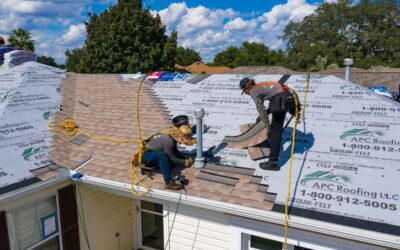
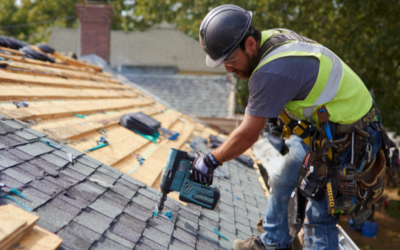
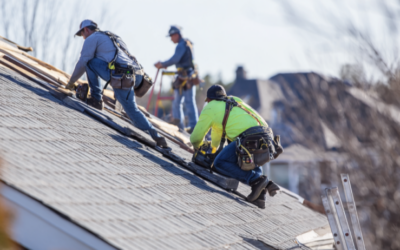
- Approve Repairs or Replacement: Once approved, schedule repair or replacement work.
- Maintain Receipts and Records: Keep copies of all communication, invoices, and repairs for your records.
Choosing a Roofing Contractor for Hail Damage Repairs
Selecting a reputable contractor ensures quality repairs and proper insurance documentation.
What to Look For
- Licensed and Insured: Protects against liability and ensures quality workmanship.
- Experience with Hail Damage: Contractors familiar with storm-related repairs understand insurance requirements.
- References and Reviews: Check previous client feedback and completed projects.
- Warranty on Work: Verify the contractor provides warranties on labor and materials.
Working With Your Contractor and Insurance Adjuster
- Allow the contractor to provide a detailed estimate for the insurance adjuster.
- Ensure all damage, including hidden damage, is accounted for in the claim.
- Maintain open communication between the insurer, adjuster, and contractor.
Roof Materials and Hail Resistance
Different roofing materials react differently to hail, influencing insurance claims and repair decisions.
Asphalt Shingles
- Most common residential roofing material.
- Pros: Affordable, easy to repair.
- Cons: Susceptible to granule loss and cracking.
- Insurance may classify minor granule loss as cosmetic and not cover replacement.
Metal Roofs
- Extremely durable, often dent-resistant.
- Pros: Long-lasting, minimal maintenance, reflective coating improves energy efficiency.
- Cons: Dents may be visible but often do not compromise function.
- Insurance often covers cosmetic and functional damage.
Wood Shingles and Shakes
- Pros: Aesthetic appeal, natural materials.
- Cons: Can split, crack, or puncture under hail impact.
- Insurance may limit coverage if material is prone to frequent maintenance issues.
Tile and Slate Roofs
- Extremely durable, fire-resistant.
- Pros: Long lifespan, low maintenance.
- Cons: Heavy and expensive; individual tiles may break from hail.
- Insurance coverage may depend on replacement cost and availability of materials.
Cost Considerations for Hail Damage Repairs
Repair costs vary depending on roof type, damage severity, and labor rates.
Average Repair Costs
- Minor Shingle Damage: $200–$1,000
- Moderate Damage (Multiple Shingles or Flashing): $1,000–$3,500
- Severe Damage / Full Roof Replacement: $5,000–$25,000 or more
Factors Affecting Cost
- Roof Size: Larger roofs require more materials and labor.
- Material Type: Asphalt is cheaper than metal or tile.
- Extent of Damage: Hidden damage under shingles may increase costs.
- Labor and Accessibility: Roof pitch, complexity, and local labor rates influence cost.
Preventing Future Hail Damage
While storms are unpredictable, certain measures can reduce damage and insurance claims:
Roofing Material Selection
- Consider impact-resistant shingles or metal roofs in hail-prone regions.
- Class 4 rated shingles are highly resistant to hail impact.
Roof Maintenance
- Inspect your roof annually for weak spots, loose shingles, or damage.
- Clear gutters and debris to prevent water buildup.
Storm Preparedness
- Trim overhanging tree branches to reduce roof impact.
- Consider storm shutters or protective coverings during hail seasons.
Insurance Tips for Hail-Prone Areas
- Review Your Policy Annually: Confirm coverage limits, deductibles, and exclusions.
- Document Roof Condition: Keep photos and inspection records for reference.
- Consider Hail-Resistant Materials: Insurance discounts may be available for impact-resistant roofs.
- File Claims Promptly: Delays can complicate coverage and reduce reimbursement.
- Understand Cosmetic vs Functional Damage: Cosmetic granule loss may not be covered; functional damage usually is.
Common Questions About Hail Damage Roof Insurance
1. Does homeowners insurance cover all hail damage?
Coverage depends on your policy and damage type. Functional damage is usually covered; cosmetic damage may not be.
2. How long do I have to file a claim?
Policies typically require prompt reporting, often within 30–60 days of the storm.
3. Can I choose my own contractor?
Yes, but ensure the contractor documents damage properly for the adjuster.
4. Will insurance cover roof replacement or just repairs?
It depends on damage extent. Severe damage may warrant full replacement.
5. Does filing a hail claim affect my premiums?
Multiple claims can increase premiums, but one isolated claim may not.
Working With Insurance Adjusters
- Document damage thoroughly before the adjuster arrives.
- Attend the inspection if possible to point out all visible and hidden damage.
- Request a detailed written estimate from the adjuster.
- Compare the insurance estimate with your contractor’s estimate.
- Negotiate if there are discrepancies to ensure fair coverage.
Roof Inspection After Hail
A professional roof inspection is crucial after a storm:
- Identifies hidden damage under shingles or tiles
- Determines if repairs or full replacement is needed
- Provides documentation for insurance claims
- Helps prioritize repairs to prevent leaks or structural damage
Benefits of Properly Handling Hail Damage Insurance Claims
- Financial Protection: Covers the cost of repairs or replacement.
- Peace of Mind: Ensures your home remains safe and functional.
- Maintains Home Value: Timely repairs prevent long-term structural issues.
- Compliance with Warranty Requirements: Some roofing warranties require prompt repair of hail damage.
Conclusion
Understanding hail damage to roof insurance is essential for homeowners in storm-prone areas. Recognizing damage, documenting it accurately, and filing claims promptly ensures coverage and protects your home. Choosing the right roofing contractor, understanding policy limits, and maintaining your roof can reduce future risks and insurance complications.
By staying informed about insurance coverage, repair options, and preventive measures, homeowners can navigate hail damage with confidence, protect their investment, and ensure the longevity of their roof. Proper planning, prompt action, and professional assistance make all the difference in managing hail damage effectively. 440-235-3124