(440) 307-2060
How Big Does Hail Need to Be to Damage a Roof?
When storms roll in, homeowners often worry about their property, and one of the most common concerns is whether hail has caused roof damage. Many people wonder: how big does hail need to be to damage a roof? The truth is that roof damage depends not only on the size of hailstones, but also on other factors like roofing material, wind speed, and the condition of the roof before the storm. Understanding these variables can help homeowners know what to expect after a hailstorm and when it might be time for an inspection.
Why Hail Is a Serious Threat to Roofs
Hailstones are balls of ice that form when updrafts in thunderstorms push raindrops into very cold areas of the atmosphere. As the droplets freeze and combine with others, they create layers of ice. When the hail becomes too heavy for the storm’s updraft to hold, it falls to the ground.
Hail may last for only a few minutes, but the damage it can cause to vehicles, landscaping, siding, and roofs can be significant. Roofs are particularly vulnerable because they sit directly in the path of falling hail, and the repeated impact of hailstones can weaken or break roofing materials.
Factors That Determine Roof Damage
While hail size is the most obvious factor, it’s not the only one that matters. Let’s look at the key elements that influence the level of damage.
1. Size of Hailstones
- Pea-sized hail (¼ inch): Usually doesn’t damage roofs but may clog gutters and downspouts.
- Marble-sized hail (½ inch): Rarely causes significant damage, but older or brittle roofs may show wear.
- Quarter-sized hail (1 inch): This is the point where most asphalt shingles and wood shakes begin to show noticeable damage.
- Golf ball-sized hail (1.75 inches): Often dents, cracks, or punctures roofing materials, especially metal or tile roofs.
- Baseball-sized hail (2.75 inches or more): Almost always causes severe roof damage, breaking shingles, tiles, and even underlying structures.
2. Roof Material
Different roofing materials handle hail differently:
- Asphalt shingles: Vulnerable to granule loss, bruising, and cracks.
- Wood shingles or shakes: Susceptible to splitting and cracking.
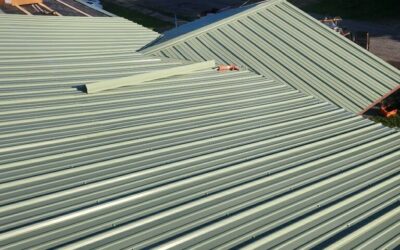
- Metal roofs: May dent but rarely puncture unless hail is very large.
- Slate or clay tiles: Can shatter under direct impact.
3. Roof Age and Condition
A brand-new roof has more resilience than one that has aged for 20 years. Cracks, brittleness, or loose shingles increase the chance of hail damage.
4. Wind Speed and Direction
Hail carried by strong winds hits the roof at higher speeds, increasing the force of impact.
5. Roof Slope and Orientation
A steep roof may deflect hail, while a flat or low-sloped roof absorbs more impact. The direction of the storm also matters—roofs facing into the storm usually receive the most damage.
Signs of Hail Damage on Different Roof Types
Asphalt Shingle Roofs
- Dark spots where granules are missing.
- Dents or “bruises” in the shingles.
- Cracks radiating from the point of impact.
- Shingles that look shiny due to exposed asphalt.
Wood Roofs
- Splits or cracks in shingles.
- Fractures along the grain.
- Fresh, sharp-edged breaks that indicate new damage.
Metal Roofs
- Dents visible across panels.
- Chips in paint or coating.
- Loosened fasteners from impact.
Tile or Slate Roofs
- Chipped or broken tiles.
- Pieces of tile found in gutters or on the ground.
- Hairline cracks that worsen over time.
Myths About Hail Damage
Many homeowners believe hail has to be enormous to damage a roof. In reality, even one-inch hail can create enough force to bruise or loosen shingles, especially on older roofs. Another misconception is that damage is always visible from the ground. Some hail damage is subtle and can only be detected during a close inspection.
Why Small Hail Can Still Be a Problem
While large hailstones are more destructive, small hail can still shorten the lifespan of a roof:
- Repeated minor impacts wear down protective granules.
- Clogged gutters from hail and debris lead to water overflow.
- Surface bruising creates weak points where water may seep in later.
So even if a storm produced only marble-sized hail, it’s worth checking the roof for damage.
Long-Term Effects of Untreated Hail Damage
Ignoring hail damage can lead to:
- Leaks: Water enters through weakened shingles.
- Mold growth: Moisture in the attic promotes mold and mildew.
- Reduced roof life: Weakened materials break down faster.
- Decreased home value: A roof with visible damage is a red flag for buyers.
Roof Inspections After Hailstorms
Because hail damage isn’t always visible, professional inspections are recommended after significant storms. A roofer looks for:
- Impact marks on shingles or flashing.
- Dents in vents, gutters, or downspouts.
- Signs of granule loss in gutters.
- Soft or bruised spots on shingles that feel spongy underfoot.
Preventing Hail Damage
While you can’t stop hailstorms, you can take steps to reduce their impact:
- Install impact-resistant shingles: Some are rated to withstand hail up to two inches in diameter.
- Maintain your roof: Replace loose shingles, seal flashing, and clean gutters regularly.
- Trim trees: Prevent branches from breaking and hitting the roof during storms.
- Reinforce vulnerable areas: Skylights and roof vents can be upgraded to stronger materials.
Insurance and Hail Damage
Most homeowners’ insurance policies cover hail damage, but coverage depends on the extent of damage and the policy terms. Some policies require separate deductibles for hail-related claims. Documenting roof condition before and after storms can help support claims.
Regional Differences in Hail Risk
Hail is more common in certain areas of the country, often called “hail alleys.”
- Central U.S. (Texas, Oklahoma, Kansas, Colorado): Frequent, large hailstorms.
- Midwest: Regular hail activity in spring and summer.
- Northern states: Hailstorms mixed with heavy winds.
Knowing your region’s hail risk helps you prepare and maintain your roof accordingly.
Case Example: Small Hail, Big Impact
A homeowner in Colorado reported only quarter-sized hail after a storm. The roof looked fine from the street, but an inspection revealed dozens of bruised shingles. Within six months, several leaks developed during heavy rain. This shows that even seemingly small hail can cause long-term issues.
Practical Steps After a Hailstorm
- Safely check your property for obvious damage.
- Look at gutters, siding, and vehicles for dents—these often indicate roof damage.
- Call a roofer for a professional inspection.
- Document the date, time, and severity of the storm.
- If damage is confirmed, contact your insurance company.
Conclusion
So, how big does hail need to be to damage a roof? While large hailstones—golf ball size and above—almost always cause visible and serious damage, even smaller hail can weaken shingles and shorten a roof’s lifespan, especially if the roof is older or already in poor condition. Roof material, slope, wind speed, and storm direction also play major roles.
The best protection is awareness. After any hailstorm, check your roof carefully and schedule a professional inspection if you suspect damage. Addressing problems early prevents leaks, mold, and costly repairs later. Your roof is your home’s first defense against the elements, and ensuring it remains strong is one of the most important steps you can take as a homeowner.440-235-3124