The upstairs feels warmer than the thermostat says it should. The attic still feels heavy with heat after dinner. Outside, the roof has been sitting in direct sun all afternoon, but from the driveway, everything looks fine.
That is where heat damage to a roof can be easy to miss. It usually does not announce itself with a leak on day one. More often, extreme heat and UV exposure slowly age asphalt shingles, especially on older roofs in Cleveland and Northeast Ohio. Edges lift. Granules show up near the downspouts. A roof that looked acceptable in June can be a little more brittle by the time fall storms and winter freeze-thaw weather arrive.
UV roof exposure adds to that slow wear. Sunlight breaks down the protective surface of asphalt shingles over time. Once that surface thins out, the roof has less protection from rain, wind, hail, snow, and ice.
This guide explains what to look for, why summer roof damage matters in the Cleveland area, and how to decide whether your roof needs a simple repair, better ventilation, or a closer inspection.
If you are concerned about roof heat damage, S&K Construction And Remodeling can inspect your roof, show you what is happening with photos, and explain the next step without pressure.
How Heat and UV Exposure Affect Asphalt Shingles
Roofing materials move as temperatures change. Shingles, flashing, sealants, and underlayment expand during hot afternoons and contract again as temperatures drop. That movement is called thermal cycling.
One hot day is not usually the problem. The issue is repetition. After years of heating and cooling, small areas of stress can begin to show up.
Asphalt shingles need some flexibility to perform well. When they are newer and properly installed, normal temperature swings are usually not a concern. As they age, heat can dry out the oils that help keep the shingles pliable. Once shingles become brittle, they are more likely to crack, curl, or break.
A heat damage roof issue might start with something small:
- A lifted shingle edge.
- A seal strip that no longer bonds tightly.
- Loose granules in the gutters after a storm.
- A section of roof that looks more faded than the rest.
Roof color can play a role, too. Dark shingles tend to absorb more heat than lighter shingles. That does not mean every homeowner should choose the lightest color available. Curb appeal, neighborhood style, material choice, and budget all matter. Still, color is worth discussing when it is time for replacement.
Why Cleveland Roofs Still Face Summer Heat Damage
UV roof exposure wears down shingles from the surface inward. The granules on asphalt shingles are there for a reason. They help protect the asphalt layer underneath from sun, impact, and weather.
When granules loosen or wash away, the shingle has less protection. That can lead to fading, cracking, curling, and brittleness. Older roofs are especially vulnerable because the shingles have already lost some flexibility through normal aging.
This is also why one side of a roof can look older than another. A slope that gets strong afternoon sun may fade faster than a shaded slope. From the ground, it may look like a color difference. During an inspection, it may show up as thinning granules or a worn shingle surface.
UV damage usually happens slowly. That gives homeowners time to respond, but it also makes the problem easier to ignore.
Cleveland-area roofs also deal with more than summer sun. A roof may face humidity and thunderstorms in July, falling leaves and wind in October, then snow, ice, and freeze-thaw cycles during winter. If shingles are already brittle or thin from heat and UV exposure, the next round of weather has an easier time finding weak spots.
Signs of Heat Damage on a Roof
Heat damage on a roof can look like ordinary aging. That is why the question is not just, “Does the roof look old?” The better question is, “Does the roof still have enough life left to protect the home?”
Curling or Buckling Shingles
Curling shingles often lift at the edges. Buckling may also show up when the roof system has been stressed by heat, moisture, poor ventilation, or installation issues.
A few lifted shingles may be repairable. Widespread curling is usually a bigger concern.
Cracked or Brittle Shingles
Roof shingles heat damage often shows up as brittleness. A brittle shingle can crack during wind, hail, foot traffic, or freezing weather.
Small cracks may not cause a leak right away. They still deserve attention because water only needs one weak path underneath the shingle layer.
Missing Granules
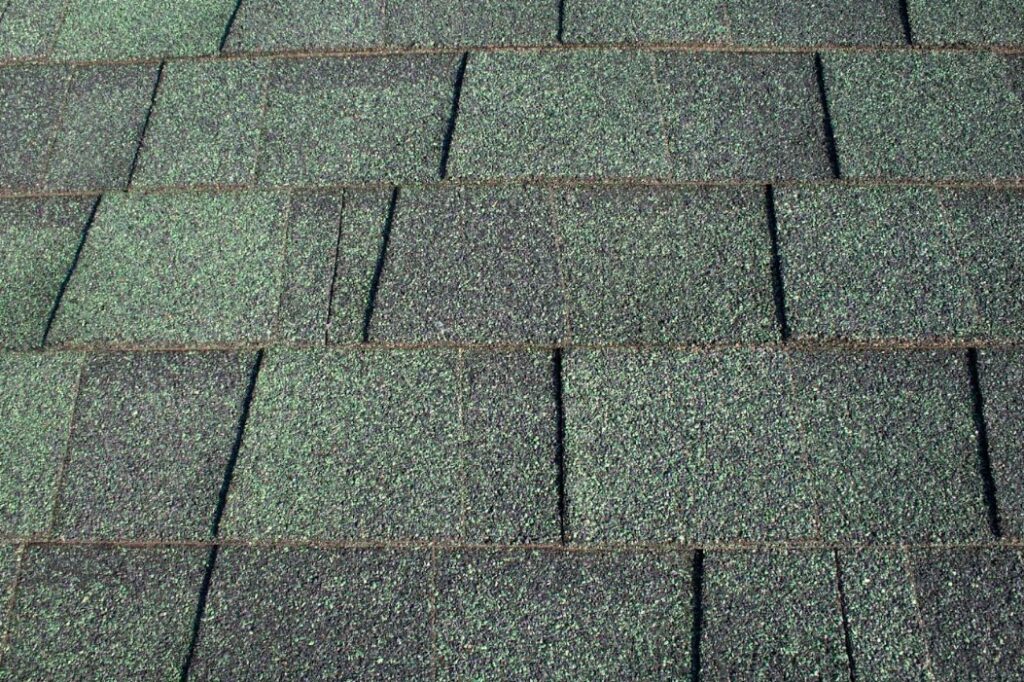
Granule loss is one of the easier warning signs to spot. After a storm, check gutters, downspouts, and splash blocks for shingle grit.
Some granule shedding can happen after installation. Heavy or ongoing granule loss is different. It may mean the protective surface is wearing down.
Blistering
Blistering can look like small raised spots on the shingle surface. Heat, trapped moisture, and material stress can all contribute.
The concern is not just the blister itself. If it opens, the exposed area may wear faster.
Faded or Discolored Roofing
A sun-facing roof slope may look lighter, patchier, or thinner than the rest of the roof. Fading alone does not always mean replacement is needed, but uneven wear is worth checking.
Water Stains or Small Leaks
Heat damage does not always show up inside the home right away. A roof can weaken during summer, then leak later when wind-driven rain finds a lifted edge, cracked shingle, or worn flashing area.
A small ceiling stain should not be ignored, even if the roof looks normal from the ground.
Can Heat Shorten the Life of Your Roof?
Yes. Extreme heat can affect roof lifespan locally because Cleveland-area roofs deal with more than one season of stress.
A roof may face summer sun and humidity, then fall wind, then winter snow and ice. If shingles are already brittle or thin from heat and UV exposure, the next storm has an easier job finding weak spots.
This is especially true for roofs that are 10 to 15 years old or already showing signs of wear. Granule loss, lifted edges, old storm damage, and brittle shingles can all make heat-related aging more noticeable.
One frustrating part for homeowners is the delay. A roof may weaken in July but not leak until November, January, or February. By then, the problem can feel sudden even though it has been building for months.
A roof inspection helps sort out what is actually happening. Sometimes the answer is a repair. Sometimes ventilation needs attention. Sometimes the roof is close enough to the end of its useful life that replacement becomes the more practical financial decision.
Local cost ranges matter here. Many roof repairs fall between $500 and $1,000, depending on access, flashing, material, and where the problem starts. A full shingle roof replacement often averages around $12,000, or about $450 per square. Larger homes, steep slopes, damaged decking, premium shingles, and ventilation work can change the final price.
Those numbers are not meant to push a decision. They are meant to help homeowners compare the cost of acting early with the cost of waiting until water gets inside.
Heat Damage vs. Normal Roof Aging
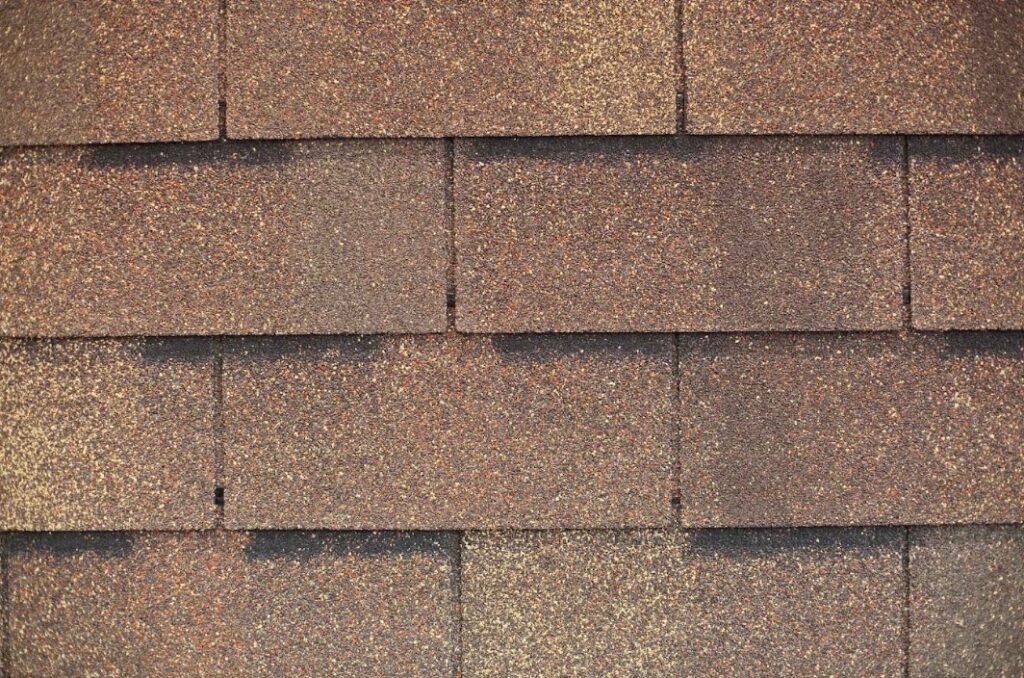
Heat damage and normal roof aging can look similar. That is why it helps to look at the pattern, not just one symptom. A few worn shingles on an older roof may be expected. Widespread curling, heavy granule loss, brittle shingles, fading on sun-facing slopes, or leaks after storms may point to a roof that is aging faster than it should.
The practical question is not whether the roof looks brand new. The question is whether it still has enough life left to protect the home through summer storms, winter snow, and freeze-thaw cycles.
When Heat-Damaged Shingles Need Repair vs. Replacement
A few heat-damaged shingles may be repairable if the rest of the roof is still in good condition. That changes when the damage is widespread or the shingles are too brittle to work around cleanly.
| Roof Condition | Practical Next Step |
| A few lifted or cracked shingles | Repair may be enough. |
| Granule loss in one limited area | Inspect and monitor or repair. |
| Widespread curling or brittleness | Replacement may be more practical. |
| Leaks after storms | Inspect shingles, flashing, decking, and ventilation. |
| Roof is 15 to 20+ years old with visible wear | Schedule a replacement evaluation. |
| Multiple repairs in the same season | Compare repair cost against replacement timing. |
This is where a plainspoken inspection helps. Homeowners should know whether the issue is small, whether it can wait, or whether the roof is getting close to the end of its useful life.
How Roof Ventilation Helps Reduce Heat Stress
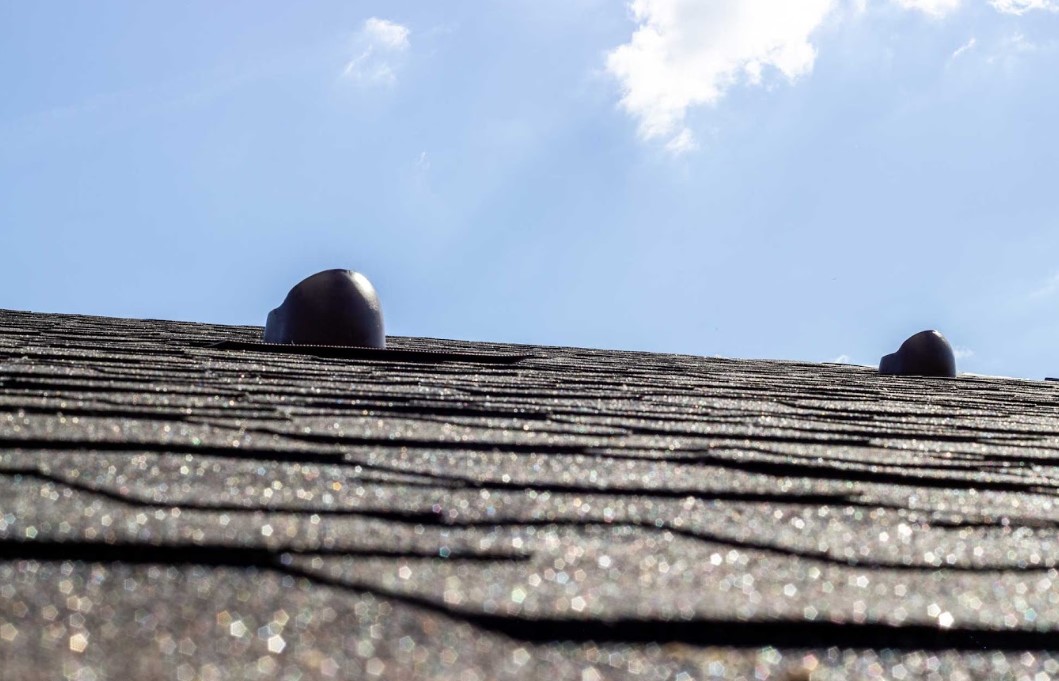
Attic ventilation affects how much heat the roof system holds. Without enough airflow, heat can build up under the roof deck. That means shingles may be heated from above by the sun and from below by the attic.
Balanced ventilation usually includes intake near the lower roof edge and exhaust near the ridge or upper roof area. Air needs a path in and a path out.
Poor attic ventilation can lead to:
| Problem | Why It Matters |
| Higher roof temperatures | Shingles may age faster from added heat below the roof deck. |
| Moisture buildup | Trapped moisture can affect decking and insulation. |
| Higher cooling costs | A hot attic can make the home harder to cool. |
| Ice dam risk | Warm attic air can contribute to uneven snow melt in winter. |
| Decking stress | Heat and moisture can be hard on the roof structure over time. |
For Northeast Ohio homes, ventilation is not just a summer issue. It can affect roof performance during hot weather, winter snow, and freeze-thaw cycles.
Blown-in insulation can also help when it is installed correctly. Insulation helps separate the living space from attic conditions. Ventilation helps the attic release heat and moisture. The two need to work together.
How to Protect Your Roof from Summer Heat
There is no way to keep a roof from getting hot in summer. The goal is to reduce avoidable stress and catch problems while they are still manageable.
Schedule Regular Roof Inspections
A roof inspection can catch cracked shingles, granule loss, flashing issues, ventilation concerns, and early leak risks. You do not have to wait until water is coming through the ceiling.
Keep Attic Air Moving
Check that soffit vents are not blocked by insulation, storage, paint, or debris. Ridge vents and other exhaust vents should also be able to move air out of the attic.
Replace Damaged Shingles Promptly
One damaged shingle is easy to dismiss when there is no active leak. The risk is that exposed areas can let water reach the underlayment. A small repair is usually easier before a hard rain, windstorm, or cold snap.
Keep Gutters and Valleys Clear
Leaves and debris can trap water on the roof. Clean gutters, open downspouts, and clear valleys help water move off the roof instead of sitting against the shingles.
Watch for Granule Loss
Granules in the gutters are worth checking. If you keep seeing a lot of shingle grit, the roof surface may be wearing down and taking more UV damage.
Think Carefully About Replacement Materials
When replacement makes the most sense, material choice matters. Architectural asphalt shingles are a strong fit for many Cleveland-area homes because they offer more thickness and dimension than basic three-tab shingles. Premium shingles may make sense for homeowners who want stronger curb appeal or plan to stay in the home long-term. Impact-resistant shingles may also be worth discussing in storm-prone areas.
When to Schedule a Roof Inspection in Northeast Ohio
Call a roofing professional when you see curling shingles, cracked shingles, heavy granule loss, blistering, water stains, sagging areas, or repeated leaks. It is also wise to schedule an inspection if your roof is 15 to 20 years old and showing visible wear.
A good inspection should be plainspoken. Homeowners should know what is urgent, what can be monitored, and what could become costly if ignored.
S&K Construction And Remodeling uses supervised crews and start-to-finish photos so homeowners can see what was found and how the work was completed. Most residential roof replacement projects are completed in one day with a full crew, which helps limit disruption and exposure to changing weather.
Financing may also help when a roof needs replacement but paying cash would strain the household budget. Qualified homeowners may have access to zero down financing, 12 months same-as-cash, or longer-term payment options through Service Finance. A 620 credit score is typically needed for pre-approval, and the process can often be completed by phone.
Heat Damage and UV Roof Exposure Questions Cleveland Homeowners Ask
Heat-related roof wear is easy to miss because it often looks like normal aging at first. These answers can help you decide what to watch for and when an inspection makes sense.
Can extreme heat really damage a roof?
Yes, extreme heat can damage a roof. It can dry out asphalt shingles, weaken sealants, loosen granules, and cause roofing materials to expand and contract. Over time, that stress can shorten the lifespan of the roof.
What does heat damage on roof shingles look like?
Heat damage on roof shingles often looks like curling, cracking, blistering, fading, missing granules, and brittle shingle edges. A sun-facing slope may show these signs earlier because it gets more direct UV exposure.
Does UV roof exposure affect asphalt shingles?
Yes, UV roof exposure affects asphalt shingles. It breaks down the protective surface layer over time. Once granules loosen or wash away, the asphalt underneath becomes more exposed to heat, moisture, and storm damage.
How can I prevent roof heat damage?
You can reduce roof heat damage by maintaining attic ventilation, replacing damaged shingles promptly, keeping gutters clear, and scheduling regular roof inspections. During replacement, you can also discuss architectural shingles, premium shingles, and roof color options that fit your home and budget.
Should homeowners worry about summer roof damage?
Yes, homeowners should take summer roof damage seriously. Heat can weaken shingles before storms, snow, ice, or freeze-thaw cycles make the damage worse. Summer wear is often gradual, but it can still shorten roof lifespan if it goes unchecked.
When is roof repair enough?
Roof repair may be enough when the damage is limited and the rest of the roof still has useful life. Replacement may be more practical when shingles are brittle, curling is widespread, granule loss is heavy, or leaks keep returning.
Can financing help with roof replacement?
Yes, financing can help with roof replacement when the work is needed but the timing is difficult. Qualified homeowners may be able to use zero down financing, same-as-cash options, or longer monthly payment terms.
Schedule a Roof Inspection Before Heat Damage Gets More Expensive
Summer heat is not as dramatic as a winter storm, but it can still shorten the life of asphalt shingles. The warning signs are usually gradual: dry shingles, loose granules, lifted edges, weaker sealants, and older materials that become less forgiving when wind, rain, snow, and ice arrive.
S&K Construction And Remodeling has served Northeast Ohio homeowners since 2013 with supervised crews, start-to-finish photos, emergency service, strong Owens Corning warranty options, a 10-year workmanship guarantee, and practical financing choices.
Worried summer heat is aging your roof? Schedule a roof inspection with S&K to check shingle condition, granule loss, ventilation, flashing, and signs that your roof may be nearing replacement.