(440) 307-2060
How Long Do Asphalt Shingles Last? Your Complete Lifespan Guide
1. Introduction: What You Need to Know
Asphalt shingles are the most widely used roofing material in North America. They’re affordable, relatively easy to install, and come in various styles to suit different homes. But one of the most important questions homeowners ask is: How long do asphalt shingles really last?
The answer isn’t one-size-fits-all. Shingle lifespan depends on the type of asphalt shingle you choose, the climate where you live, how well your roof was installed, and how you maintain it. This article breaks down all the key factors and answers to help you make an informed decision.
2. Types of Asphalt Shingles & Their Average Lifespans
2.1. Three-Tab Shingles
Three-tab shingles are the most basic type of asphalt roofing. They consist of a single layer, with a flat appearance and uniform shape. These shingles are popular for budget-conscious homeowners.
- Average Lifespan: 15–20 years
- Pros: Affordable, widely available
- Cons: Less durable, lower wind resistance
2.2. Architectural (Dimensional) Shingles
Architectural shingles are thicker and layered to give a more dimensional, high-end appearance. They’re more durable than three-tab shingles and are often preferred for mid- to high-range homes.
- Average Lifespan: 25–30 years (some up to 35 years)
- Pros: Stronger, better aesthetics, more weather resistant
- Cons: Higher cost than three-tab
2.3. Luxury (Premium) Shingles
Premium shingles are designed to mimic slate or cedar shake roofs. These are the highest-quality asphalt shingles available and are built to endure severe weather.
- Average Lifespan: 30–50 years
- Pros: Excellent durability, premium curb appeal
- Cons: Highest cost among asphalt shingles
3. Factors That Influence Asphalt Shingle Lifespan
Several external and internal factors determine how long your asphalt roof will last. Here’s what you need to consider:
3.1. Climate and Weather
Climate plays a huge role in roof aging. Hot sun, UV rays, heavy rain, snow, wind, and hail can all wear down shingles faster.
- Hot & Humid Climates: Can cause cracking, blistering, and granule loss
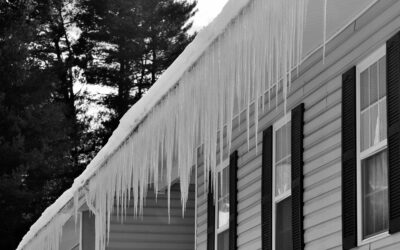
- Cold & Snowy Regions: Ice dams and freeze-thaw cycles can shorten lifespan
- Storm-Prone Areas: Wind uplift and impact from debris can damage shingles prematurely
3.2. Quality of Installation
A roof is only as good as its installation. Poor workmanship can lead to early failure—even with the best materials.
Key installation aspects include:
- Proper nailing pattern and depth
- Correct alignment and overlap
- Use of high-quality underlayment and flashing
- Proper ridge and edge sealing
3.3. Roof Design and Ventilation
Roof structure and attic ventilation have a direct impact on shingle durability.
- Steep Slope Roofs: Drain better and last longer
- Low Slope Roofs: May retain moisture and increase wear
- Poor Ventilation: Traps heat and moisture, leading to premature aging and mold
3.4. Maintenance Practices
Routine maintenance can add years to the life of your shingles. Neglecting small issues allows them to snowball into costly problems.
Best practices include:
- Cleaning debris off the roof and gutters
- Trimming overhanging branches
- Checking for loose or missing shingles
- Inspecting for signs of mold, moss, or algae
3.5. Material Quality
All shingles are not created equal. Even among the same type, some brands offer better materials and manufacturing standards.
Higher-quality shingles:
- Have better wind resistance (up to 130 mph)
- Are thicker and more impact-resistant
- Often come with longer warranties
4. Understanding Warranties vs. Actual Lifespan
Asphalt shingles typically come with warranties ranging from 20 to 50 years. But a warranty does not guarantee the roof will last that long—especially if it isn’t properly installed or maintained.
For example:
- A 30-year shingle may need replacement around year 20–25 in harsher climates
- Warranty coverage often includes only manufacturer defects, not weather damage
- Labor costs are often excluded unless specified in an extended warranty
Expect the real-life expectancy of your roof to be about 70–80% of its advertised maximum—unless ideal conditions are maintained.
5. Signs Your Asphalt Shingles Are Failing
Recognizing early signs of deterioration can help you act before costly repairs or replacements are needed. Here are the top indicators that your roof may be near the end of its life:
- Curling or buckling shingles
- Cracked, broken, or missing shingles
- Loss of granules (check gutters for sandy buildup)
- Visible bald spots on shingles
- Leaks or water stains on interior ceilings or walls
- Moss or algae growth
- Sagging rooflines
- Light showing through the attic
If your roof is over 15 years old and showing more than one of these symptoms, it’s time to schedule an inspection.
6. How to Extend the Life of Your Asphalt Shingle Roof
Proactive maintenance can make a massive difference in how long your roof lasts. Follow these steps to get the most out of your investment:
6.1. Regular Roof Inspections
Hire a licensed roofing contractor for a professional inspection at least once a year, preferably in the spring or fall.
6.2. Keep Gutters Clear
Clogged gutters can cause water backup, leading to leaks, wood rot, and ice dams. Clean them out at least twice a year.
6.3. Control Roof Debris
Leaves, twigs, and moss retain moisture and can break down shingles over time. Keep your roof clean.
6.4. Trim Nearby Trees
Branches that hang over your roof can scratch or puncture shingles. Trim trees regularly to prevent damage.
6.5. Improve Attic Ventilation
Make sure your attic stays cool and dry by installing proper vents. This reduces heat buildup and moisture that can lead to rot.
6.6. Fix Minor Damage Immediately
Don’t ignore a missing or broken shingle. One small issue can quickly grow into a leak or mold problem.
7. Comparing Shingle Types: Which is Best for You?
Not all homes have the same roofing needs. Here’s how to choose the right asphalt shingle based on your priorities:
If You’re on a Tight Budget:
Choose three-tab shingles. They’re the most affordable and can work well for properties you plan to sell soon or for secondary structures like sheds and garages.
If You Want a Long-Term Investment:
Architectural shingles offer a great balance of durability, curb appeal, and cost-efficiency. They’re ideal for homeowners who want longevity without breaking the bank.
If You Want Maximum Lifespan and Curb Appeal:
Go with luxury shingles. Although more expensive, they offer premium aesthetics and long-term protection—often lasting 40–50 years in ideal conditions.
8. Regional Considerations
Where you live can have a big impact on shingle performance and longevity.
In Hot, Sunny Regions:
UV rays and heat can dry out shingles faster. Look for products with high heat resistance and UV protection.
In Rainy or Coastal Areas:
Moisture and salt air can cause corrosion and algae growth. Algae-resistant shingles and extra underlayment layers are a smart move.
In Cold Climates:
Snow, ice, and freeze-thaw cycles require durable shingles with proper underlayment and ice barrier membranes.
9. Environmental Impact and Disposal
Asphalt shingles are petroleum-based and contribute to landfill waste when removed. However, more companies are offering shingle recycling services where old materials are used in road construction.
To reduce environmental impact:
- Choose longer-lasting shingles to reduce replacement frequency
- Recycle removed shingles when replacing your roof
- Consider cool roof shingles that reflect sunlight and improve energy efficiency
10. Costs: Replacement vs. Repairs
Knowing when to repair vs. replace can save you thousands. Here’s a quick guide:
When Repairs Make Sense:
- Less than 25% of the roof is damaged
- Roof is under 15 years old
- No major structural or ventilation issues
When to Replace:
- More than 25–30% of shingles are compromised
- Roof is over 20 years old and shows widespread wear
- Leaks are recurring despite spot repairs
- You want to upgrade to a longer-lasting or better-looking material
11. Summary: Lifespan at a Glance
| Shingle Type | Lifespan (Years) | Notes |
|---|---|---|
| Three-Tab | 15–20 | Basic, affordable, less durable |
| Architectural | 25–30 (up to 35) | Most popular for balance of value |
| Luxury / Premium | 30–50 | High-end, long-lasting, expensive |
Factors affecting lifespan:
- Climate
- Installation quality
- Roof design & ventilation
- Maintenance
- Material grade