(440) 307-2060
.
How Long Does a Shingle Roof Last? A Comprehensive Guide to Lifespan, Weather Impact, and Installation Factors
Keywords:t, shingle roof lifespan, shingle roof weather durability, roof ventilation, roofing over shingles, improper roof installation, hail damage roof, winter roof damage
Introduction
If you’re a homeowner or planning to buy a house, understanding how long a shingle roof lasts is crucial for maintenance, budgeting, and planning replacements. Asphalt shingles are among the most popular roofing materials in the U.S. due to their affordability, variety, and ease of installation. But their lifespan can vary significantly based on several factors—from climate conditions to installation quality.
In this extensive guide, we’ll break down everything you need to know about the durability and longevity of shingle roofs. We’ll explore how different weather conditions like winter, rainstorms, and hail affect roof life. We’ll also dive into common issues such as poor ventilation, the impact of installing shingles over existing layers, and the consequences of improper installation.
Typical Lifespan of a Shingle Roof
The lifespan of a shingle roof depends largely on the type of shingles used and environmental factors:
| Shingle Type | Average Lifespan |
|---|---|
| 3-Tab Asphalt Shingles | 15 to 20 years |
| Architectural/Dimensional Shingles | 25 to 30 years |
| Premium Asphalt Shingles | Up to 50 years |
Note: These are average ranges. Actual lifespan can be shorter or longer depending on external and internal conditions.
Factors That Affect How Long a Shingle Roof Lasts
1. Quality and Type of Shingles
- 3-tab shingles are thinner and less durable, leading to a shorter lifespan.
- Architectural shingles are thicker and designed to withstand harsher conditions.
- Premium shingles incorporate special coatings or materials to extend durability.
2. Climate and Weather Conditions
Weather is a critical factor influencing how long shingles last. Let’s analyze the impact of different weather elements.
How Weather Conditions Affect Shingle Roof Longevity
Winter Weather and Shingle Roofs
Winter brings freezing temperatures, snow, ice, and freeze-thaw cycles that can be tough on roofs.
- Freeze-Thaw Damage: Water seeps into tiny cracks in shingles. When it freezes, it expands, causing cracks to widen and granules to loosen.
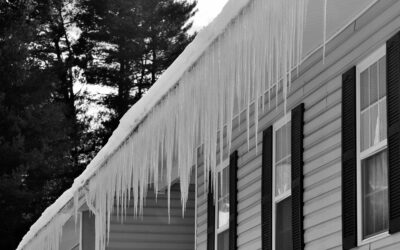
- Ice Dams: Poor attic insulation causes snow to melt unevenly and refreeze at the roof edges, creating ice dams that can force water under shingles, causing leaks.
- Snow Weight: Heavy snow buildup can add extra stress, especially on older roofs.
- Wind: Winter storms often bring strong winds, which can loosen or tear shingles.
Effect on lifespan: If your roof isn’t designed or maintained for cold climates, its lifespan can shorten by several years.
Rainstorms and Shingle Roofs
Heavy rain can accelerate wear if the roof isn’t properly installed or ventilated.
- Water Penetration: Damaged shingles or poor flashing installation can allow water under the shingles.
- Algae and Moss Growth: Constant moisture encourages algae or moss, which can trap water and degrade shingles faster.
- Gutter Overflow: Poor gutter maintenance causes water to back up, potentially damaging the eaves and shingles.
Effect on lifespan: Excess moisture can reduce shingle life by causing rot or structural damage beneath the roof surface.
Hailstorms and Shingle Roofs
Hail can cause significant damage in a short time.
- Impact Damage: Hailstones can crack, bruise, or dent shingles, reducing their protective ability.
- Granule Loss: Impact knocks off protective granules, exposing the underlying asphalt layer to UV rays.
- Leaks: Cracks create entry points for water.
Effect on lifespan: Severe hailstorms may necessitate roof repairs or replacement much earlier than expected.
The Role of Ventilation in Roof Longevity
Proper ventilation is often overlooked but essential for shingle roof health.
Why Ventilation Matters
- Heat Reduction: Ventilation removes excess heat from the attic, preventing shingles from drying out and cracking prematurely.
- Moisture Control: It allows moisture to escape, preventing mold growth and wood rot.
- Ice Dam Prevention: Good airflow keeps the roof surface cooler, reducing ice dam formation.
Consequences of Poor Ventilation
- Accelerated shingle aging
- Warped or buckled shingles
- Mold and mildew in attic spaces
- Increased energy costs
- Reduced lifespan by 5-10 years or more
Installing Shingles Over Existing Shingles: Pros and Cons
Some homeowners consider installing new shingles directly over old layers to save time and money.
Pros
- Cost Savings: Saves labor and disposal fees.
- Time Efficient: Faster installation.
Cons
- Weight Stress: Additional layers add weight to the roof framing, potentially causing structural stress.
- Hidden Damage: Old damage under the existing shingles can worsen unnoticed.
- Reduced Lifespan: New shingles may not adhere properly, leading to premature failure.
- Warranty Void: Many manufacturers void warranties if shingles are installed over existing layers.
Effect on lifespan: Typically, roofs installed over old shingles last shorter—often 5 to 10 years less than a properly stripped and replaced roof.
Improper Installation and Its Impact on Roof Longevity
Even the highest-quality shingles will fail early if installed incorrectly.
Common Installation Mistakes
- Incorrect Nailing: Nails placed too high or low reduce holding power.
- Insufficient Overlap: Shingles must overlap properly to shed water.
- Poor Flashing Installation: Flashing around chimneys and vents prevents leaks.
- Ignoring Manufacturer Guidelines: Deviating from specs voids warranties and risks damage.
- Lack of Underlayment or Improper Underlayment: Underlayment protects the deck; incorrect installation reduces roof protection.
Consequences
- Water leaks and damage
- Wind uplift and shingle blow-off
- Premature aging and granule loss
- Void warranties, resulting in costly repairs
Real-Life Scenarios Showing How Long a Shingle Roof Lasts
Scenario 1: Proper Installation, Good Ventilation, Moderate Climate
A roof installed with architectural shingles, proper ventilation, and maintenance in a temperate zone can last 25-30 years.
Scenario 2: Harsh Winter Climate with Poor Ventilation
In a cold region with improper attic ventilation, ice dams cause repeated water damage. Lifespan reduces to 15-20 years.
Scenario 3: Roof Installed Over Old Shingles in a Rain-Prone Area
Installing new shingles over an old roof without removing the old layer in a high rainfall area leads to trapped moisture and rot. Lifespan might only reach 10-15 years.
Scenario 4: Storm-Prone Area with Hail Damage
A roof exposed to frequent hailstorms and improper installation may need replacement every 12-18 years due to impact damage.
How to Maximize the Lifespan of Your Shingle Roof
- Choose Quality Materials: Invest in architectural or premium shingles suited to your climate.
- Ensure Proper Installation: Hire licensed and experienced roofers following manufacturer guidelines.
- Maintain Ventilation: Install ridge vents, soffit vents, or other solutions to allow air flow.
- Remove Old Layers: Always remove old shingles before installing new ones.
- Routine Maintenance: Clean gutters, inspect after storms, and address moss or algae quickly.
- Prompt Repairs: Fix minor damage immediately to prevent costly deterioration.
- Regular Inspections: Schedule professional roof inspections every few years.
Signs Your Shingle Roof Needs Replacement
- Curling or buckling shingles
- Missing granules or bald patches
- Leaks or water stains in the attic
- Moss or algae buildup
- Significant hail or storm damage
- Age over 20-25 years (depending on shingle type)
Conclusion
How long does a shingle roof last? The honest answer is—it depends. On average, you can expect 15 to 30 years or more, but this varies widely based on installation quality, weather exposure, ventilation, and maintenance. Winter’s freeze-thaw cycles, rainstorms, and hail damage can all shorten roof life if not mitigated. Adding to that, shortcuts like roofing over old shingles or improper installation can dramatically reduce lifespan and lead to costly repairs.
Understanding these factors empowers you to make smarter roofing decisions, protecting your home and investment for decades to come.
If you want professional help assessing your roof’s condition or planning a replacement, contact us today for a free consultation!
Would you like me to add a detailed maintenance checklist or explain different ventilation types in another post?