How Long Is a Roof Good For? A Complete Guide to Roof Longevity
Introduction
A roof is one of the most critical components of your home. Knowing how long is a roof good for helps you plan for replacement, maintenance, and budgeting. This guide explores:
- Lifespan expectations for different roofing materials
- Key factors affecting longevity
- Signs that indicate a roof is nearing the end of its lifetime
- How to extend roof life with maintenance
- When to schedule repair versus replacement
- SEO tips for roofing content developers
Let’s dive into the details to help you understand when, why, and how long your roof should last.
1. Expected Lifespan by Roofing Material
Different roofing materials deliver dramatically different lifespans. Based on data from industry experts and associations, here’s what to expect:
Asphalt Shingles
- Three‑tab shingles: 15–20 years
- Architectural (dimensional) shingles: 25–30 years
- Premium or luxury shingles: 30–50 years (or more, when well maintained)
Metal Roofing
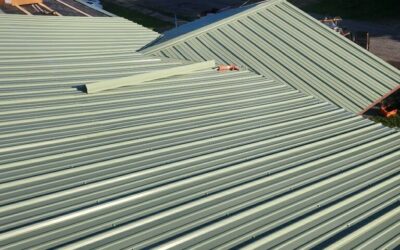
- Standing seam, corrugated, or stone-coated metal: 40–80 years depending on material and climate
Wood Shingles & Shakes
- Cedar or redwood shingles typically last 20–50 years with proper maintenance
Tile & Slate
- Clay or concrete tiles: often 50–100+ years
- Natural slate: up to 150 or even 200 years, depending on quality
Other Materials
- Built-up roofing (BUR): approximately 30 years
- Modified bitumen: 20 years
- Synthetic slate: 10–35 years
- EPDM rubber (flat roofs): 15–25 years
- Fiber cement shingles: around 25 years
- Green (vegetative) roofs: 5–40 years
2. What Influences Roof Longevity?
Even the highest‑quality roofs don’t last forever. These key factors determine actual service life:
Material Quality and Type
- Premium shingles, thicker gauge metals, and high‑grade tiles last longer than entry‑level materials. Warranty lengths often reflect this quality variance.
Installation Quality
- Improperly installed roofs—including poor flashing, ventilation, or underlayment—can drastically shorten lifespan, regardless of material. Skilled, certified installers are essential
Climate & Weather Conditions
- Heat and UV exposure accelerate asphalt degradation in hot regions.
- Freeze–thaw cycles, hail, and wind reduce performance in cold climates.
- Coastal salt exposure speeds corrosion in metal roofs.
Ventilation & Insulation
- Proper attic ventilation prevents heat buildup and moisture accumulation, reducing warping, mold, and early wear. Insulation contributes to thermal stability.
Maintenance Practices
- Regular inspections, gutter cleaning, debris removal, trimming overhanging branches, and prompt repairs can extend lifespan by up to 10 years.
3. How Long Is a Roof Good For? Lifespan Estimates
Here’s a quick reference for typical roof longevity under average conditions:
| Material | Expected Lifespan |
|---|---|
| Three‑tab asphalt | 15–20 years |
| Architectural shingles | 25–30 years |
| Premium asphalt shingles | 30–50 years |
| Metal roofing | 40–80 years |
| Wood shingles/shakes | 20–50 years |
| Clay or concrete tiles | 50–100+ years |
| Natural slate | 60–150+ years |
| Built-up roofing (BUR) | ~30 years |
| Modified bitumen | ~20 years |
| EPDM rubber (flat roof) | 15–25 years |
| Synthetic slate | 10–35 years |
| Green/vegetative roofs | 5–40 years |
These ranges reflect typical expected lifespans—not guarantees. Many roofs can surpass expectations with ideal installations, maintenance, and local climate.
4. Signs a Roof Is Nearing Its End
Recognizing early warning signs helps you act before major problems arise:
- Granule loss: Bald patches on shingles or granules in gutters.
- Curling or cracked shingles: Indications of age or heat damage.
- Missing shingles: Vulnerability to leaks during wind or rain events.
- Algae, moss, or mold staining: May indicate moisture retention.
- Sagging roof deck or structural issues: Serious problems requiring prompt action.
- Interior leaks or water stains in ceilings or attic spaces.
5. How to Prolong Roof Life
✅ Regular Inspections
Schedule inspections at least twice per year—spring and fall—and after major storms. Identify small defects before they become costly.
✅ Keep Gutters and Roof Clean
Remove leaves, branches, and moss that trap moisture. Clean gutters so water drains properly. Trim overhanging trees to avoid damage from falling limbs.
✅ Maintain Proper Ventilation and Insulation
Ensure soffit and ridge vents are functioning and insulated to control heat. This battles ice dams in winter and reduces heat stress in summer.
✅ Fix Problems Promptly
Replace missing or damaged shingles right away. Seal flashings around chimneys, vents, and intersections. Address minor leaks before they become roof replacement issues.
✅ Consider Protective Coatings
In some climates or materials, applying UV-resistant roof coatings can slow aging and granule loss—depending on manufacturer recommendations.
6. Roof Replacement vs. Repair: When to Act
Age-Based Replacement
- Three‑tab asphalt: near 15–20 years
- Architectural: around 25–30 years
- Premium asphalt: closer to 30–50 years
- Metal, tile, and slate: often replaced for aesthetics or performance, not age alone
Damage-Based Repairs
- Misshapen shingles, minor leaks, or localized damage can often be repaired for several years longer.
Insurance & Warranty Considerations
- Some insurance policies restrict coverage or raise rates after ~15 years of age, regardless of warranty (especially for hail/wind damage).
- Manufacturer warranties and workmanship warranties cover defects and premature failures—ensure proper installation and registration to keep them valid.
Professional Inspection
- Rather than relying on contractor quotes (which may push for full replacement), hiring an independent roofing inspector ensures an unbiased assessment. Average inspection cost ranges from $600 to $1,500 depending on roof size and complexity.
7. Real-Life Scenarios: How Long Do Roofs Really Last?
- Proper asphalt shingle roofs, in mild climates with good maintenance, often reach or exceed 30+ years.
- In extreme sun or coastal climates, standard three‑tab shingles may only last closer to 15–18 years. Architectural or premium shingles perform better.
- Metal roofs installed correctly—especially standing seam or copper—can last 50–80+ years. Some copper installations have endured for centuries.
- Clay, concrete, or slate tile roofs, when structurally supported and maintained, easily eclipse 75 years and can surpass 100 years. Slate quality affects longevity—high-grade slate can last over a century.
8. SEO Tips: Structuring Content Around “How Long Is a Roof Good For?”
When creating roofing content targeting this topic, incorporate the following SEO best practices:
- Use the keyword phrase “how long is a roof good for” prominently in the title, H1, first paragraph, and throughout the body.
- Include long-tail variations: “expected roof lifespan,” “how many years does a roof last,” “roof lifespan by material.”
- Use clear subheadings (H2/H3) with keyword inclusion, like “How long do asphalt roofs last?” and “How to extend roof life.”
- Add an FAQ section targeting possible snippet queries:
- How long does an asphalt roof last?
- What roofing material lasts the longest?
- When should I replace my roof?
- How can I make my roof last longer?
- Optimize image alt-text if you add diagrams (e.g. “roof lifespan comparison table”).
- Include internal links to other roofing guides (roof maintenance, materials, cost estimator) to improve navigation and dwell time.
- For local SEO, weave in location-based references when appropriate: e.g. “roof lifespan in Ashtabula, Ohio” or “Ohio climate roofing tips.”
9. FAQs: Answering Key Questions
Q: How long should I expect my asphalt roof to last?
A: Standard three‑tab shingles last 15–20 years, architectural shingles 25–30 years, and premium shingles can go 30–50 years or more.
Q: Do metal roofs last longer than asphalt?
A: Yes. A well-installed metal roof generally lasts 40–80 years—much longer than most asphalt options.
Q: How does climate affect roof lifespan?
A: Extreme sunlight, heat, freeze‑thaw cycles, hail, wind, salt air—all accelerate material deterioration, reducing lifespan unless appropriate materials and ventilations are used.
Q: Can regular maintenance extend roof life?
A: Absolutely. Clean gutters, debris removal, early repairs, and good ventilation can extend a roof’s useful service by up to a decade.
Q: At what point should I consider a full roof replacement?
A: When materials near their expected lifespan (e.g. 20 years for three‑tab), or when you see multiple signs of deterioration—plus if major damage or multiple leaks occur.
Q: Should I hire a roofing contractor or an independent inspector?
A: Independent inspectors can provide unbiased assessments. Contractors may recommend replacement more aggressively. Paying for a neutral assessment helps prevent unnecessary replacements.
10. Summary & Takeaways
- Roof lifespan varies greatly by material: from around 15 years for basic asphalt shingles up to over 100 years for slate or tile.
- Material choice, installation quality, climate, and maintenance are the key drivers of real-world roof longevity.
- Regular inspections and upkeep can add significant years to your roof’s usable life.
- Watch for early warning signs like granule loss, curling shingles, leaks, or algae growth.
- At the first sign of significant aging—or once age nears typical lifespan—consult an inspector for repair vs. replacement guidance.
- SEO content around this topic should be structured for clarity, include meaningful headings, FAQ schema, and rich keyword usage.