(440) 307-2060
🏠 How Long Should a Roof Last? — Lifespan by Material
The average lifespan of a roof ranges from about 25 to 50 years, but this varies widely depending on the roofing material, climate, installation quality, maintenance, and more (Better Homes & Gardens, The Spruce).
Material Lifespans
- Asphalt Shingles
- 3‑tab shingles: Typically last 15–20 years (Bill Ragan Roofing)
- Architectural/dimensional shingles: 22–30 years, sometimes up to 40 or 50 years under ideal conditions (sharpmn.com)
- Metal Roofing
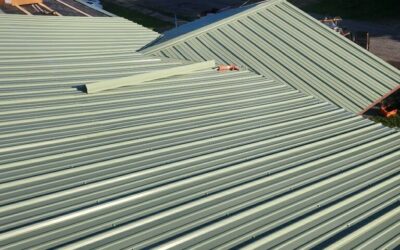
- 40–70 years for standard steel or aluminum panels
- Some copper or zinc roofs can exceed 70 years, even reaching 100+ years (sharpmn.com, Bill Ragan Roofing)
- Wood Shingles / Shakes
- Cedar shingles: 25–30 years
- Cedar shakes: Up to 30–40 years, if regularly maintained (Rescue My Roof)
- Clay and Concrete Tiles
- Clay tiles: 50–100+ years, sometimes over a century with proper care (Ideal Home, Bill Ragan Roofing)
- Concrete tiles: Expect around 50+ years, though underlayment may require earlier replacement (Coastal Roofing Professionals)
- Slate Roofing
- Known for extreme longevity, ranging from 75 to over 200 years depending on material quality and installation (Coastal Roofing Professionals)
- Flat Roofing / Single-ply Systems
- Common types like EPDM rubber and TPO membranes: around 15–20 years, though premium EPDM can reach 30–50 years (The Spruce, Renova Roofing & Construction, Wikipedia)
- Built-up roofs (BUR): approximately 15–30 years depending on layers and upkeep (Renova Roofing & Construction)
🔍 What Affects Roof Longevity?
Even within the same material category, actual lifespan can vary. Here are the key factors:
1. Climate & Exposure
- UV rays, extreme heat, heavy rain, snow, hail, or coastal salt spray accelerate wear (salisroofing.com).
- Freeze-thaw cycles especially damage clay/concrete tiles via water absorption and cracking (Wikipedia).
2. Quality of Materials & Installation
- Higher-grade shingles, metal panels with better coatings, or thick tiles deliver longer life (The Spruce).
- Proper installation—including underlayment, flashing, fasteners, and ventilation—is critical to avoid early failure (The Spruce, ahlersroofing.com, salisroofing.com).
3. Ventilation & Underlayment
- Poor attic ventilation traps heat and moisture, shortening shingle life and promoting rot or mold (sharpmn.com).
- Underlayment quality affects water resistance—especially for tile roofs where underlayment often fails before tiles (Coastal Roofing Professionals, Wikipedia).
4. Roof Slope / Drainage
- Steeper roofs shed water and snow more efficiently. Flat or low-slope designs tend to pool water and degrade faster (ahlersroofing.com).
5. Maintenance & Upkeep
- Tasks like cleaning debris, clearing gutters, removing moss, and fixing minor damage significantly prolong lifespan (ahlersroofing.com).
6. Warranties & Inspections
- Manufacturer warranties may range from 20 to 50+ years, though prorated.
- Annual or semi‑annual inspections help catch issues early, saving costly replacements later (Wikipedia).
🛠️ How to Extend Your Roof’s Lifespan
Here are evidence-backed practices to help your roof last longer than expected:
- Annual or biannual roof inspections, especially after storms, are essential for early detection of issues (Romero Roofing and Exteriors, Inc.).
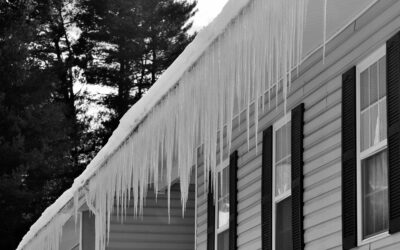
- Keep gutters clear to prevent water buildup and ice dams.
- Trim tree branches near the roof and remove debris buildup regularly (Western Montana Roofing, Roofing Systems of Hampton Roads).
- Apply moss and algae treatments, especially on wood or shaded roofs.
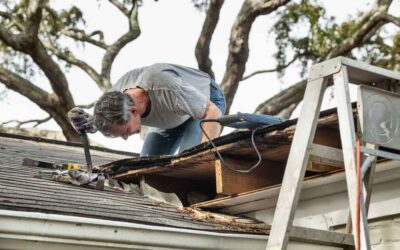
- When repairing, use matching high-quality materials and proper flashing/sealing to prevent future leaks.
- Promote proper attic ventilation and insulation, including soffit and ridge vents to reduce heat stress on roof materials.
📅 When Should You Replace Your Roof?
A roof may need repair or replacement sooner than average if you notice:
- Frequent leaks or visible shingle damage
- Blistering, curling shingles, or exposed nail heads
- Sagging areas or visible aging of flashing/sealant
- Granule loss in asphalt shingles or rust on metal roofs
- Missing tiles, cracked slate, or broken mortar around tiles
Consulting a certified independent roof inspector (rather than contractor marketing arms) can provide unbiased evaluation. These inspections typically cost $600–$1,500 depending on roof size and pitch (Romero Roofing and Exteriors, Inc., sharpmn.com, The Wall Street Journal).
📊 Roofing Material Lifespan at a Glance
| Roof Material | Expected Lifespan | Notes / Considerations |
|---|---|---|
| 3‑Tab Asphalt Shingles | 15–20 years | Budget-friendly, shorter wear life |
| Architectural Asphalt | 22–30+ years | Thicker, better durability |
| Premium Asphalt | Up to 40–50 years | Top-tier shingles & installation |
| Metal Roofing (Std Panel) | 40–70 years | Wide range by alloy and quality |
| Copper / Zinc Metal Roof | 70+ to 100+ years | Extremely long-lasting & costly |
| Wood Shingles / Shakes | 25–40 years | Requires high maintenance |
| Clay Tiles | 50–100+ years | Durable in warm, dry climates |
| Concrete Tiles | 50+ years | Underlayment may require earlier replacement |
| Slate Roofing | 75–200+ years | Premium stone, minimal upkeep |
| EPDM / TPO (Flat Roof Types) | 15–20 (standard), up to 50 years for premium EPDM | Lower lifespan, vulnerable to pools |
| Built-Up Roof (BUR) | 15–30 years | Layered asphalt with gravel top |
❓Frequently Asked Questions
Q: Why do asphalt shingles vary so widely in lifespan?
A: Differences in shingle quality, thickness (3‑tab vs architectural vs luxury), granule coating, and workmanship influence lifespan significantly (Bill Ragan Roofing, sharpmn.com, Rescue My Roof, Roofing Systems of Hampton Roads, Wikipedia, Homes and Gardens, salisroofing.com, Ideal Home, Renova Roofing & Construction, The Spruce, Wikipedia).
Q: Can a metal roof really last over 70 years?
A: Yes—especially copper or well-installed standing-seam steel roofs with protective coatings can last 70+ years, in some cases over 100+ years (Romero Roofing and Exteriors, Inc., Wikipedia).
Q: What roof lasts the longest?
A: Slate roofs lead with potential lifespans of well over 100 years; clay tiles and premium wood roofs follow closely in durability. Most homes will outlive typical asphalt roofs (Coastal Roofing Professionals).
Q: How often should I have my roof inspected?
A: At least once or twice a year, and after major weather events, to catch early signs of damage (Ideal Home).
Q: Does roof color matter?
A: Yes—controlling UV absorption: lighter colors reflect heat better to extend life in hot climates; darker shingles may help melt snow in cold climates (but increase heat stress) (The Spruce, Wikipedia).
🧭 Choosing Roofing Based on Budget, Climate & Longevity
- Tight budget / resale home → Architectural asphalt shingles: cost-effective, reliable lifespan of ~25+ years
- Mild climate, low-maintenance preference → Metal roof: 40–70 years, good energy efficiency
- Warm, fire-safe, Mediterranean region → Clay tile: can exceed a century with minimal upkeep
- Historic or high-end architecture → Slate: 100–200+ years, exceptional durability but highest cost
- Flat roof or commercial property → EPDM or TPO: 15–20 years (standard), or EPDM up to ~50 with premium setups
- Rustic or natural aesthetic → Wood shingles/shakes: 25–40 years, requires frequent care
🧾 Key Takeaways
- Roof lifespan varies by material: 15–20 years for basic asphalt, up to 200+ for slate
- Installation quality, climate, maintenance, and ventilation significantly influence longevity
- Regular inspections & upkeep can extend roof life beyond average expectations
- Replacement timing depends on both material lifespan and condition—don’t wait until failure
- Choosing the right material involves balancing budget, desired lifespan, climate suitability, and architecture
Ultimately, understanding how long your roof should last—and how to make it last longer—helps you plan effectively for replacements, budget wisely, and protect your home. Interested in material comparisons like asphalt vs metal or tile? I’d be happy to help further.