How Many Roofing Squares in a Bundle: A Complete Guide for Homeowners
If you’ve ever taken on a roofing project or even just looked into the basics of roofing materials, you’ve probably come across the term “square.” That’s where many homeowners begin asking, how many roofing squares in a bundle? It’s a simple question, but one that opens the door to understanding how roofing materials are measured, sold, and installed. Whether you’re replacing shingles yourself, working with a contractor, or just want to understand an estimate, knowing this helps you make sense of both material needs and project costs.
Trying to Estimate How Many Shingle Bundles Your Roof Needs?
A roofing square equals 100 square feet, and most asphalt shingles require about three bundles to equal one square. But the actual number of bundles your roof needs can change based on roof size, pitch, valleys, waste factor, shingle type, ridge cap, starter shingles, and roof complexity.
S&K Construction And Remodeling LLC helps Northeast Ohio homeowners get accurate roof replacement estimates instead of guessing from square footage alone.
Schedule a free roof inspection and roof replacement estimate today.
Understanding Roofing Squares
In roofing terminology, a square refers to an area of 100 square feet on a roof. This unit has become standard in the roofing industry because it simplifies calculations for materials and labor. Rather than measuring everything in individual feet or pieces, contractors think in squares.
For example:
A roof that is 2,000 square feet in surface area is equal to 20 squares.
If your contractor says you need 25 squares of roofing shingles, that translates to 2,500 square feet of coverage.
Why Roofing Squares Matter During a Roof Replacement
Explain that roofers use squares to calculate shingles, underlayment, ice and water shield, starter shingles, ridge cap, flashing, ventilation materials, labor, and disposal.
Why Your Home Square Footage Is Not Your Roof Square Footage
This is already touched on in the page, where it explains that a 1,500-square-foot home may have closer to 1,700–1,800 square feet of roof area because of slope.
Make this section stronger because homeowners often estimate too low.
How Shingle Type Affects Bundle Count
Use this for:
- 3-tab shingles
- architectural shingles
- designer shingles
- Owens Corning shingles
- asphalt shingle roof replacement
The page already says heavier architectural or designer shingles may require more bundles per square.
Bundles of Shingles
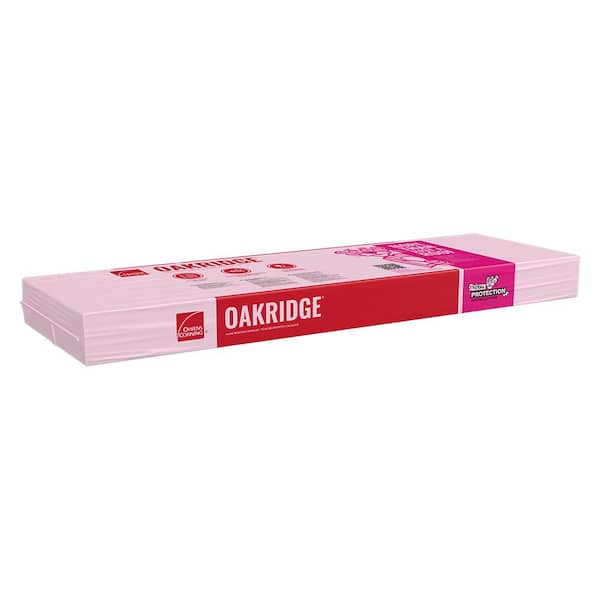
Shingles are not sold individually; they come in bundles. A bundle is a manageable package of shingles that can be easily lifted, carried, and installed. But a single bundle doesn’t cover an entire roofing square. Instead, it takes multiple bundles to make up one square.
The general rule is:
Three bundles = one roofing square for most asphalt shingles.
However, variations exist depending on shingle style, weight, and design.
How Many Roofing Squares in a Bundle?
Here’s where the direct answer comes in. Strictly speaking, there is no such thing as one square per bundle. Instead, the question is best understood like this:
A roofing square is always 100 square feet.
A bundle of standard asphalt shingles typically covers about 33.3 square feet.
Therefore, it usually takes three bundles to equal one square.
Some heavier shingles, such as architectural or designer varieties, may require four or five bundles per square, because the shingles are thicker and each bundle covers less surface area.

Why the System Exists
Bundles exist mainly for convenience. A full square of shingles would be too heavy and bulky for roofers to carry. By dividing that square into three or more bundles, the weight is easier to manage, typically 60 to 80 pounds per bundle, depending on the product.
Types of Shingles and Bundle Coverage
1. 3-Tab Asphalt Shingles
Light and uniform.
Three bundles per square.
Common for budget-friendly roof installations.
2. Architectural Asphalt Shingles
Thicker and heavier.
Usually four bundles per square.
More durable and longer-lasting.
3. Luxury or Designer Shingles
Extra thick, sometimes slate-like in appearance.
May require five bundles per square.
4. Other Materials
While “bundle” is mostly a term used with asphalt shingles, different roofing types measure differently:
Metal roofing – sold by the sheet or panel.
Tile roofing – sold by piece, calculated by coverage per square.
Wood shakes – also bundled, but bundle coverage varies widely.
Example Calculations
Let’s say your roof project is 2,400 square feet.
- Divide by 100 to get total squares:
- 2,400 ÷ 100 = 24 squares
- Multiply squares by number of bundles per square:
- With 3-tab shingles: 24 × 3 = 72 bundles
- With architectural shingles: 24 × 4 = 96 bundles
This is why knowing how many roofing squares in a bundle matters — it directly affects how many bundles you’ll purchase.
Waste Factor
When buying shingles, you can’t just order the exact amount. You need to add waste coverage, typically 10–15%. This accounts for:
Cutting shingles to fit edges and valleys.
Breakage or defects.
Starter rows and ridge caps.
Using the same example of 24 squares:
With 10% waste → 24 × 1.10 = 26.4 squares → 27 squares.
At 3 bundles per square → 81 bundles total.
Roofing Squares vs. Square Footage
It’s important not to confuse roof square footage with floor square footage of your house. Roofs often have extra area because of slope.
For instance, a 1,500 square foot ranch home with a 6/12 pitch may have a roof area closer to 1,700–1,800 square feet. That translates to 17–18 squares, not 15.
Practical Considerations
Weight of Bundles
A typical bundle weighs 60–80 pounds. On steep roofs, this matters — hauling 90 bundles up a ladder is a big job.
Storage
If shingles are delivered early, they need to be stored flat and dry to prevent warping.
Delivery Options
Some suppliers deliver bundles directly onto the roof using a conveyor truck.
Pros and Cons of Bundle Measurements
Pros:
Easier to handle than full squares.
Simplifies estimating.
Standard across most asphalt shingle brands.
Cons:
Variability between products (3 vs. 4 vs. 5 bundles per square).
Can be confusing for homeowners new to roofing.
Why Contractors Think in Squares
Roofing contractors estimate jobs by square because:
It standardizes pricing.
It simplifies material ordering.
Labor costs are easier to calculate (cost per square).
This is why your roofing quote may say “30 squares of shingles” instead of “3,000 square feet.”
Additional Materials Beyond Shingles
When figuring out bundles, remember that shingles are only part of the system. You also need:
Underlayment (felt or synthetic).
Ice and water shield.
Ridge cap shingles.
Starter shingles.
Nails.
These are not sold in bundles, but they’re essential for a complete roof installation.
Regional Considerations
In northern regions with snow, contractors often order more waste material to handle complex valleys and ice barriers.
In southern states, waste percentages may be lower because roof designs tend to be simpler.
Common Homeowner Questions
1. Can I buy just one bundle for repairs?
Yes — home improvement stores sell bundles individually, great for roof patch jobs.
2. Are all bundles the same size?
No — different shingle types and brands vary. Always check coverage printed on the wrapper.
3. Can I return leftover bundles?
Unopened bundles are often returnable, but check your supplier’s policy.
4. How long do shingles in bundles last if stored?
If kept dry and flat, unopened bundles can last several years, but they should be used within a reasonable time to avoid adhesive strip degradation.
Mistakes to Avoid
Assuming all bundles equal 33.3 square feet.
Forgetting waste factor.
Not accounting for roof pitch and overhang.
Mixing shingle brands (coverage can vary).
Real-World Example
A homeowner in Ohio measured their 2,000 square foot home and assumed they needed 20 squares. They bought 60 bundles of shingles. However, once the contractor measured the roof pitch, the actual roof area was 2,300 square feet (23 squares). Add in 10% waste, and the job required 26 squares — or 78 bundles. That shortfall delayed the project.
This shows why it’s critical to understand the square-to-bundle relationship.
Cost Implications
Since shingles are priced per bundle or per square, knowing coverage prevents overspending. For example:
3-tab shingles: about $30–35 per bundle.
Architectural shingles: $40–50 per bundle.
Multiply by bundles per square and you’ll see how material type affects total cost.
Sustainability and Leftover Bundles
Unused shingles don’t have to go to waste. Leftover bundles can be stored for roof repairs, donated, or even recycled into asphalt road material.
Future of Roofing Measurements
While bundles remain the standard for asphalt shingles, technology is changing how roofing is measured. Drones and satellite imagery now calculate roof area in squares, making estimates faster and more accurate. Still, the square and bundle system is unlikely to change soon.
Conclusion
So, how many roofing squares in a bundle? The answer is straightforward but requires context: a square is 100 square feet, and most bundles cover about one-third of that, meaning three bundles equal one square. Some shingles require four or five bundles, depending on thickness and type.
By understanding this relationship, homeowners can:
Accurately calculate how many bundles their roof needs.
Understand contractor estimates.
Budget more effectively for roofing projects.
Schedule a Free Roof Replacement Estimate in Northeast Ohio
Not sure how many roofing squares, shingle bundles, or materials your roof needs? S&K Construction And Remodeling LLC can inspect your roof, measure the roof area, explain your shingle options, and provide a written roof replacement estimate.
We help Northeast Ohio homeowners with roof replacement, roof repair, asphalt shingle roofing, storm damage inspections, roof financing options, and free roofing estimates.
Call today to schedule your free roof inspection and estimate.