(440) 307-2060
How Much Does a Roof Replacement Cost?
A Complete Homeowner’s Guide for 2025
Table of Contents
- Introduction
- Why Roof Replacement Matters
- National Average Roof Replacement Costs in 2025
- Cost Breakdown by Roofing Material
- Roof Size and Design Impact
- Labor and Tear-Off Costs
- Permit Fees and Waste Disposal
- Regional Price Differences
- Optional Add-ons and Upgrades
- Cost-Saving Strategies
- Mistakes to Avoid
- Hiring a Roofing Contractor
- Financing Options
- Frequently Asked Questions
- Final Thoughts
1. Introduction
A roof is your home’s first line of defense against rain, snow, wind, and sun. But eventually, every roof wears out and needs replacement. Understanding how much a new roof costs—and what factors affect the price—can help you plan, budget, and avoid costly surprises.
In this guide, you’ll learn everything you need to know about the cost of roof replacement in 2025, including national averages, material-specific pricing, labor costs, and tips to save money without sacrificing quality.
2. Why Roof Replacement Matters
A deteriorating roof can cause water leaks, mold, reduced energy efficiency, and damage to walls, ceilings, and foundations. Replacing a worn-out or damaged roof restores your home’s structural integrity and boosts its resale value.
In addition to safety, a new roof can also lower utility bills and improve curb appeal. It’s a substantial investment—but one that offers long-term benefits if done correctly.
3. National Average Roof Replacement Costs in 2025
In 2025, roof replacement in the U.S. ranges between $7,500 and $22,000, depending on materials, labor, and roof complexity.
| Home Size (Roof Area) | Estimated Cost (Asphalt Shingles) |
|---|---|
| 1,000 sq ft | $4,000 – $6,500 |
| 1,500 sq ft | $6,000 – $10,000 |
| 2,000 sq ft | $8,000 – $13,000 |
| 2,500+ sq ft | $10,000 – $20,000+ |
These prices include removal of the old roof, materials, installation, and cleanup.
4. Cost Breakdown by Roofing Material
Different roofing materials come with unique price points, installation requirements, and life spans. Here’s a detailed breakdown:
| Material Type | Cost per Sq Ft Installed | Lifespan |
|---|---|---|
| Asphalt Shingles (3-tab) | $3 – $5 | 15 – 30 years |
| Architectural Shingles | $4 – $7 | 20 – 40 years |
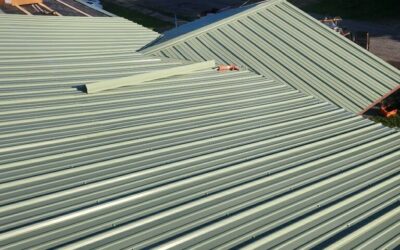
| Metal Roofing | $5 – $16 | 40 – 70 years |
| Wood Shakes | $7 – $15 | 25 – 40 years |
| Clay or Concrete Tile | $10 – $25 | 50 – 100 years |
| Slate Roofing | $15 – $30 | 75 – 150 years |
| Synthetic Composite | $4 – $10 | 30 – 50 years |
| Flat Roof (TPO/EPDM) | $3 – $10 | 15 – 25 years |
Pro Tip: Asphalt shingles are the most common and budget-friendly, while slate and tile are durable but come at a premium.
5. Roof Size and Design Impact
Roof size is a major cost driver. Roofs are measured in “squares”—each square equals 100 square feet.
- A 2,000 sq ft home typically has a 20–22 square roof.
- Larger roofs require more materials and labor.
- Roof complexity (e.g., steep slopes, dormers, valleys, skylights) can add 10–30% to total cost.
6. Labor and Tear-Off Costs
Labor makes up 40–60% of a roof replacement quote.
- Standard labor: $1.50 – $3.50 per square foot
- Tear-off: $1 – $2 per square foot (varies based on number of layers)
- Roofing underlayment and flashing: Add $300 – $1,000
- Repairs to sheathing or rafters (if rotted): Can add $1,000 – $5,000+
Multiple layers of shingles or damage to decking underneath can significantly increase labor hours and disposal costs.
7. Permit Fees and Waste Disposal
Permit costs depend on local regulations and roof size:
- Permits: $150 – $500
- Dumpster rental and debris removal: $300 – $1,500
- Inspections (if required): $50 – $200
Always check with your city or county to verify permit requirements before starting a project.
8. Regional Price Differences
Costs can vary widely based on location:
- Northeast & West Coast: Higher labor and material costs (e.g., $10,000 – $25,000)
- Midwest & South: More affordable labor, lower average (e.g., $6,000 – $12,000)
- Urban areas: Higher costs due to local codes, permits, and demand
- Rural areas: Lower prices but fewer contractor options
Climate also influences material choices. For example, metal roofs are common in snowy or windy regions, while tile is popular in hot, dry climates.
9. Optional Add-ons and Upgrades
Additional features can increase your roof replacement budget:
| Upgrade | Typical Cost |
|---|---|
| Ridge Vent Installation | $300 – $800 |
| Ice & Water Shield | $1 – $2 per linear foot |
| Gutter Replacement | $1,000 – $2,500 |
| Chimney Flashing Repair | $200 – $500 |
| Skylight Replacement | $1,000 – $2,500 each |
| Soffit & Fascia Repairs | $600 – $2,000 |
| Solar Panel Reinstallation | $1,500 – $3,000+ |
10. Cost-Saving Strategies
If you’re trying to stay within a specific budget, here are ways to reduce roof replacement costs:
- Get Multiple Estimates – Always compare at least three licensed contractors.
- Schedule During Off-Season – Late fall or winter often brings lower prices.
- Choose Mid-Grade Shingles – Architectural asphalt offers durability and good value.
- Ask for Re-Roofing (Overlay) – In some cases, you can install over one existing layer.
- Do Non-Essential Repairs Later – If possible, stagger upgrades like gutters or skylights.
11. Mistakes to Avoid
To protect your home and wallet, avoid these common pitfalls:
- Not Reading the Full Contract – Ensure the quote includes tear-off, disposal, materials, and labor.
- Hiring the Cheapest Contractor – Low bids often lead to poor workmanship or hidden fees.
- Skipping Permits – Unpermitted work may be flagged during resale or insurance claims.
- Ignoring Ventilation – Poor ventilation can void your warranty and shorten roof life.
- Choosing the Wrong Material – Pick materials suited to your local climate and your home’s structure.
12. Hiring a Roofing Contractor
Choosing the right roofing contractor is as important as choosing the right materials.
Look for:
- Licensing and insurance
- Manufacturer certifications (e.g., GAF, Owens Corning)
- Positive customer reviews
- Detailed, written estimate
- Workmanship warranty (minimum 5 years recommended)
Red flags: No physical address, demanding full payment upfront, lack of references.
13. Financing Options
Roofing projects can be expensive—but several options are available to help manage costs:
- Personal Loans – Quick funding; interest rates depend on credit.
- Home Equity Loans or HELOCs – Lower rates, but your home is collateral.
- Credit Cards – Useful for smaller projects, though high interest.
- Roofing Company Financing – Many contractors offer 0% financing for 12–24 months.
- Insurance – If damage is storm-related, check with your insurer for coverage.
14. Frequently Asked Questions
Q: How long does a roof replacement take?
A: Most replacements take 1–3 days depending on roof size and weather.
Q: Can I install a new roof over the old one?
A: Only if there’s a single layer of shingles and local codes allow it.
Q: Is roof replacement tax-deductible?
A: No, unless part of a business or rental property improvement.
Q: What’s the best roofing material for value?
A: Architectural asphalt shingles offer a good balance between cost, appearance, and lifespan.
Q: Will a new roof increase my home value?
A: Yes—up to 60–70% ROI and often higher curb appeal during resale.
15. Final Thoughts
Roof replacement is a major investment, but it’s also one of the most valuable upgrades you can