(440) 307-2060
How Much Does It Cost to Fix a Leaky Roof? A Complete Homeowner’s Guide
A leaky roof can be a homeowner’s nightmare. When water starts seeping into your home, it can cause structural damage, mold growth, and expensive repairs. One of the most common questions homeowners ask when facing this problem is: how much does it cost to fix a leaky roof? The answer varies widely depending on the cause, the extent of the damage, materials used, and labor costs. In this comprehensive guide, we’ll break down the factors that affect repair costs, explain the types of roof leaks, outline the steps to repair them, and provide tips for preventing future leaks.
Understanding Roof Leaks
Before estimating repair costs, it’s important to understand what causes roof leaks. Leaks can occur for several reasons, including:
- Aging shingles: Over time, shingles crack, curl, or lose granules, allowing water to penetrate.
- Damaged flashing: Flashing around chimneys, vents, or skylights can deteriorate or become loose.
- Roof punctures: Falling branches, hail, or foot traffic can create holes in roofing materials.
- Clogged gutters: Water can back up under shingles if gutters are not properly maintained.
- Improper installation: Poor workmanship can leave gaps or misaligned shingles.
Identifying the cause of a leak is essential because it determines the scope of repairs and, ultimately, the cost.
Factors That Affect the Cost to Fix a Leaky Roof
Several factors influence how much it costs to repair a roof leak:
1. Roof Size and Slope
The larger your roof, the more materials and labor are required to fix a leak. Steeper roofs are more difficult to access, which can increase labor costs.
2. Type of Roofing Material
Different roofing materials have varying repair costs:
- Asphalt shingles: $150–$400 for minor repairs
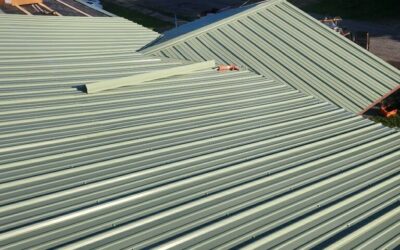
- Metal roofs: $300–$1,000 depending on panel type and location of damage
- Tile roofs: $400–$1,200 due to fragile tiles and higher labor
- Slate roofs: $500–$2,000 or more, as replacement tiles are expensive and installation is specialized
3. Extent of Damage
Minor leaks that affect one or two shingles are inexpensive to repair. Major leaks involving multiple areas, roof decking damage, or water infiltration into the home can significantly increase costs.
4. Roof Deck Condition
If water has penetrated the roof deck or structural components, additional repairs may be necessary. Replacing sections of plywood or OSB can add hundreds to thousands of dollars to the repair bill.
5. Labor Costs
Labor is a significant portion of roof repairs. Rates vary by region, contractor experience, and difficulty of access. On average, labor accounts for 50–70% of the total repair cost.
6. Location and Accessibility
Urban areas often have higher labor rates, while remote locations may increase travel costs. Roofs with difficult access, steep slopes, or multiple stories require specialized equipment, increasing labor charges.
7. Permits and Codes
Some roof repairs may require permits or inspections to comply with local building codes. These costs should be included in the overall estimate.
Common Types of Roof Leaks
Understanding the type of leak helps determine repair strategies and costs:
1. Shingle Damage
Shingles can crack, curl, or lose granules over time. Repairing damaged shingles is usually straightforward:
- Minor repair: $150–$400
- Replacement of multiple shingles: $400–$1,000
2. Flashing Issues
Flashing prevents water from entering where roof planes meet chimneys, vents, or skylights. Damaged flashing may require sealing or replacement:
- Sealant repair: $100–$300
- Flashing replacement: $300–$800 per affected area
3. Roof Punctures
Holes caused by falling debris, hail, or foot traffic can often be patched:
- Small puncture patch: $100–$300
- Multiple punctures or larger damage: $300–$1,000
4. Roof Valleys
Valleys where two roof planes meet are prone to leaks if water channels improperly. Repairing valleys may involve replacing shingles, underlayment, or flashing:
- Minor valley repair: $200–$500
- Major valley replacement: $1,000–$2,500
5. Gutter and Downspout Backups
Clogged gutters can force water under shingles. Cleaning and minor repairs cost $100–$300, but damage caused by prolonged water exposure may cost more.
6. Skylights and Chimneys
Leaks around skylights or chimneys often result from worn seals, flashing issues, or improper installation:
- Seal replacement: $150–$400
- Flashing or surrounding shingle replacement: $400–$1,000
Steps to Repair a Leaky Roof
Repairing a leaky roof involves several steps, which can affect cost and complexity:
1. Inspection
A thorough inspection identifies the source of the leak, affected areas, and damage to roof materials or decking. Professionals may use:
- Visual roof inspection
- Infrared or moisture detection
- Attic inspection for water stains
2. Temporary Leak Control
If the leak is active, temporary measures like tarps or sealants may be applied to prevent further water damage before permanent repairs.
3. Material Removal
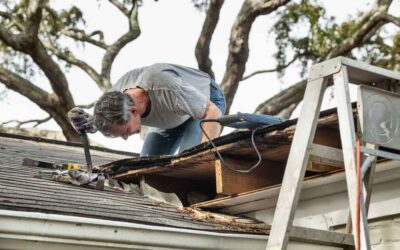
Damaged shingles, flashing, or tiles are removed carefully to avoid further damage to the roof or underlying structure.
4. Replacement or Repair
Depending on the severity:
- Replace individual shingles or tiles
- Install new flashing or seals around chimneys, vents, or skylights
- Repair or replace roof decking if damaged
5. Underlayment Installation
A quality underlayment, such as synthetic or felt, adds waterproofing and protection against future leaks.
6. Cleanup and Inspection
Debris is removed, gutters are cleaned, and a final inspection ensures repairs are effective.
Average Cost to Fix a Leaky Roof
While costs vary widely, here are typical ranges:
- Minor shingle leak: $150–$400
- Flashing repair: $300–$800
- Roof puncture patch: $100–$300
- Extensive leaks requiring decking repair: $1,000–$3,000
- Complex multi-story or metal roof repairs: $1,500–$5,000+
Preventing Roof Leaks
Preventing leaks reduces long-term costs and protects your home. Maintenance tips include:
- Regular inspections: Check for missing or damaged shingles twice a year.
- Clean gutters: Remove leaves and debris to prevent water buildup.
- Trim trees: Prevent branches from damaging shingles.
- Check flashing and seals: Ensure areas around chimneys, skylights, and vents are intact.
- Address minor issues promptly: Repair small cracks, curled shingles, or loose flashing before they worsen.
Insurance and Leaky Roof Repairs
Homeowners insurance may cover certain types of roof leaks, depending on the cause:
- Storm damage: Often covered if caused by hail or wind.
- Accidental damage: Some policies cover accidental impact, like fallen trees.
- Wear and tear: Usually not covered; homeowners are responsible for aging roof repairs.
It’s important to review your policy and provide documentation, including estimates and photos, when filing a claim.
Choosing a Roofing Contractor
Selecting the right professional affects both the cost and quality of repairs. Consider:
- Licensing and insurance
- Experience with your roof type
- References or online reviews
- Written estimates including material, labor, permits, and cleanup
- Warranty for both materials and workmanship
Professional contractors can accurately identify leaks, prevent future problems, and provide long-lasting repairs.
Common Mistakes Homeowners Make
- Ignoring minor leaks: Small leaks can cause significant structural damage if left unchecked.
- DIY repairs without expertise: Incorrect repairs can worsen damage and void warranties.
- Choosing the lowest bid: Extremely low estimates may indicate subpar materials or workmanship.
- Skipping inspections: Failing to inspect the attic or roof deck can overlook hidden damage.
Avoiding these mistakes saves money and protects your home.
Long-Term Benefits of Timely Repairs
Repairing a leaky roof promptly provides several advantages:
- Prevent water damage: Protects your home’s structure, insulation, and interior finishes.
- Extend roof life: Timely repairs prevent small issues from becoming major problems.
- Energy efficiency: Intact roofs improve insulation and reduce heating/cooling costs.
- Maintain property value: A well-maintained roof enhances curb appeal and resale potential.
Signs Your Roof May Need Replacement
Sometimes repair costs approach the price of replacement. Signs include:
- Multiple leaks in different areas
- Extensive shingle or tile damage
- Sagging roof deck or structural issues
- Frequent repairs within a short time
- Roof age exceeding material lifespan (20–30 years for asphalt, 40+ for metal or tile)
Replacing the roof may be more cost-effective than repeated repairs.
DIY vs Professional Repairs
While minor repairs may be manageable for experienced homeowners, professional repair is often safer and more effective:
- DIY: Can save money but risks injury or improper repairs.
- Professional: Provides expertise, proper materials, and warranty protection.
For major leaks or structural damage, professional intervention is strongly recommended.
Conclusion
Knowing how much it costs to fix a leaky roof depends on factors like the extent of damage, type of roofing material, labor costs, and additional repairs needed. Minor shingle repairs may cost as little as $150, while extensive leaks involving flashing, decking, or multiple roof areas can exceed $3,000. Early detection, routine maintenance, and professional inspections help minimize costs and prevent more serious damage.
By understanding the causes of leaks, evaluating estimates, and addressing problems promptly, homeowners can protect their property, extend the life of their roof, and avoid costly surprises. Whether you’re dealing with a small drip or a major leak, knowledge of repair costs and proactive maintenance ensures your home remains safe, dry, and structurally sound. 440-235-3124