(440) 307-2060
How to Choose the Right Roofing Material: A Complete Guide for Homeowners
When planning a roof replacement or new construction, understanding how to choose the right roofing material is crucial. The right material not only protects your home from weather and water damage but also enhances curb appeal, energy efficiency, and long-term value. Homeowners face a variety of roofing options, each with distinct benefits, costs, and maintenance requirements. Making an informed choice ensures the longevity and performance of your roof while matching your home’s style and budget.
This comprehensive guide explores the most common roofing materials, key considerations in selecting the right one, factors affecting lifespan and cost, installation methods, and maintenance tips. By the end, homeowners will have a complete understanding of how to make the best roofing choice for their property.
Understanding Roofing Materials
Roofing materials vary widely in appearance, durability, weight, and cost. Choosing the right one involves balancing aesthetics, performance, and budget. Some of the most common materials include:
1. Asphalt Shingles
- Most widely used residential roofing material
- Affordable, durable, and easy to install
- Available in 3-tab or architectural (dimensional) styles
- Lifespan: 20–30 years for 3-tab; 30–50 years for architectural shingles
- Pros: Cost-effective, easy to repair, variety of colors
- Cons: Can be damaged by hail or high winds; may fade over time
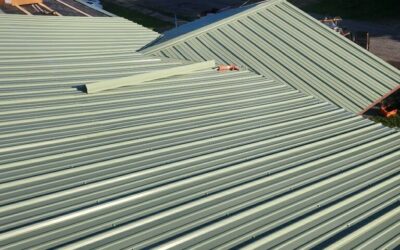
2. Metal Roofing
- Available in steel, aluminum, copper, or zinc
- Lightweight, long-lasting, and resistant to fire and wind
- Can be standing seam panels or metal shingles
- Lifespan: 40–70 years depending on material
- Pros: Durable, low maintenance, energy-efficient
- Cons: Higher upfront cost; may be noisy during rain or hail
3. Wood Shingles and Shakes
- Natural wood offers a classic, rustic appearance
- Shakes are hand-split; shingles are machine-cut
- Lifespan: 20–40 years
- Pros: Attractive, blends with natural landscapes
- Cons: Requires maintenance, susceptible to rot, fire, and insects
4. Slate Roofing
- Made from natural stone, extremely durable and long-lasting
- Lifespan: 75–100 years or more
- Pros: Beautiful, fire-resistant, eco-friendly
- Cons: Very heavy, expensive, requires professional installation
5. Clay and Concrete Tiles
- Common in Mediterranean-style homes
- Durable and fire-resistant
- Lifespan: 50–100 years
- Pros: Long-lasting, low maintenance, energy-efficient
- Cons: Heavy, higher installation cost, may require reinforced roof structure
6. Synthetic Roofing Materials
- Includes synthetic slate, rubber, or polymer shingles
- Designed to replicate natural materials while reducing weight and maintenance
- Lifespan: 30–50 years
- Pros: Lightweight, impact-resistant, lower maintenance
- Cons: Can be more expensive than asphalt shingles
Factors to Consider When Choosing Roofing Material
Selecting the best roofing material requires evaluating multiple factors beyond aesthetics and cost.
1. Climate and Weather Conditions
- Wind Resistance: Important in hurricane-prone regions; metal and architectural shingles perform well
- Hail Resistance: Metal and Class 4 impact-resistant asphalt shingles are ideal
- Snow and Ice: Steep slopes and durable materials like metal or slate prevent ice dam formation
- Sun and Heat: Lighter colors reflect sunlight; metal roofs can reduce heat absorption
2. Roof Slope and Design
- Steep roofs can accommodate slate, wood shakes, and shingles
- Low-slope or flat roofs often require TPO, EPDM rubber, or modified bitumen membranes
- Complex roof designs may require custom materials for valleys, ridges, and dormers
3. Durability and Lifespan
- Consider expected lifespan relative to home ownership plans
- Long-lasting materials like slate or metal may be worth the higher upfront cost
- Evaluate resistance to common local weather conditions and natural wear
4. Maintenance Requirements
- Asphalt shingles: periodic inspection and minor repairs
- Wood: requires sealing, cleaning, and treatment for rot and insects
- Metal: low maintenance, occasional painting or fastener checks
- Tile and slate: low maintenance, but fragile and may require occasional replacement
5. Weight and Structural Considerations
- Heavy materials like slate, clay, or concrete may require roof reinforcement
- Lightweight materials such as asphalt or synthetic shingles reduce structural load
- Ensure roof framing can support chosen material safely
6. Fire Resistance
- Metal, slate, tile, and asphalt with fiberglass backing offer good fire resistance
- Wood shingles require treatment to improve fire rating
- Homeowners in wildfire-prone areas should prioritize fire-resistant materials
7. Aesthetics and Home Style
- Match roofing material to architectural style for visual harmony
- Asphalt shingles offer versatility in color and pattern
- Wood shakes complement traditional or rustic homes
- Tile and slate suit Mediterranean or historic designs
8. Cost and Budget
- Asphalt shingles: low cost, moderate durability
- Metal roofing: higher initial cost, long-term savings due to longevity and energy efficiency
- Slate and tile: premium pricing, but lasting value
- Include installation, underlayment, ventilation, and any structural upgrades in budget calculations
Comparing Popular Roofing Materials
| Material | Lifespan | Cost per sq. ft. | Maintenance | Best For |
|---|---|---|---|---|
| Asphalt Shingles | 20–50 years | $3–$7 | Low–moderate | Most residential homes |
| Metal Roofing | 40–70 years | $5–12 | Low | Wind, hail, and fire-prone areas |
| Wood Shingles/Shakes | 20–40 years | $6–10 | Moderate–high | Rustic or traditional homes |
| Slate Roofing | 75–100+ years | $10–30 | Low | Historic or upscale properties |
| Clay/Concrete Tiles | 50–100 years | $8–25 | Low | Mediterranean-style homes |
| Synthetic Shingles | 30–50 years | $5–15 | Low | Lightweight, durable option |
Installation Considerations
Proper installation is critical to maximize performance and lifespan of any roofing material.
1. Underlayment and Ventilation
- Protects roof decking from moisture
- Reduces heat buildup and improves energy efficiency
- Synthetic or felt underlayments are common
2. Professional Installation
- Experienced roofers ensure proper alignment, fastening, and flashing
- Helps prevent leaks, wind damage, and warranty issues
3. Roof Deck Inspection
- Ensure decking is sound, dry, and properly secured
- Replace or reinforce damaged areas before installing new roofing
4. Roof Flashing and Penetrations
- Proper sealing around vents, chimneys, and skylights prevents leaks
- Flashing material should match or complement roofing material
Maintenance Tips for Different Roofing Materials
Proper maintenance extends roof lifespan and protects your home.
Asphalt Shingles
- Inspect twice a year and after storms
- Replace missing or damaged shingles
- Clean gutters regularly
Metal Roofing
- Check fasteners and sealants annually
- Clear debris from roof surface
- Inspect for dents or corrosion
Wood Shingles/Shakes
- Seal or stain every few years
- Remove moss, algae, or debris
- Repair split or cracked shingles
Slate or Tile
- Replace broken tiles promptly
- Inspect flashing and underlayment
- Avoid walking on fragile tiles
Synthetic Shingles
- Periodic inspection for damage or wear
- Clean debris and check ventilation
- Repair minor issues promptly
Environmental and Energy Considerations
- Light-colored or reflective roofing materials reduce heat absorption
- Metal and tile roofs can support solar panel installation
- Synthetic and recycled materials reduce environmental impact
- Energy-efficient roofing may reduce utility costs over time
Common Mistakes Homeowners Make
- Choosing roofing solely based on cost rather than performance
- Ignoring roof slope or structural limitations
- Skipping professional installation
- Failing to maintain or inspect the roof regularly
- Overlooking warranty terms or coverage
Questions Homeowners Frequently Ask
1. How do I know which material is best for my climate?
Consider durability, weather resistance, and maintenance requirements relative to local conditions.
2. Can I mix materials on the same roof?
It’s possible, but consistent materials often provide better aesthetics and performance.
3. How long does it take to replace a roof?
Typically 1–3 weeks depending on size, complexity, and material.
4. Are expensive materials always better?
Not necessarily; weigh performance, longevity, and maintenance against initial cost.
5. How can I ensure the roof lasts as long as possible?
Regular inspections, proper installation, maintenance, and addressing minor issues promptly.
Conclusion
Understanding how to choose the right roofing material is essential for protecting your home and maximizing your investment. Consider factors like climate, roof design, durability, maintenance, aesthetics, weight, fire resistance, and budget. Each material—from asphalt shingles and metal roofing to slate, tile, and synthetic options—offers unique benefits and considerations.
By weighing these factors carefully, consulting with professional roofers, and considering long-term performance, homeowners can select a roofing material that provides protection, enhances curb appeal, and adds value to their home for decades. Proper installation and maintenance will ensure the chosen material performs optimally, keeping your home safe, dry, and attractive. 440-235-3124