(440) 307-2060
Discovering a leak in your roof can be frustrating, stressful, and costly if not addressed in time. Water damage doesn’t just compromise your roof—it can also lead to mold growth, ruined insulation, structural damage, and even electrical hazards. But the first and most essential step to solving the issue is determining where the roof leak is coming from.
In this comprehensive 2,800-word SEO blog, we will explore everything you need to know about tracking down a roof leak, including the common causes, telltale signs, effective methods for finding the source, tools you can use, and why hiring a professional may be your safest option.
Why Finding the Leak Source Is So Difficult
Water doesn’t always travel in a straight line. In fact, it can enter your roofing system at one point and move several feet before dripping onto your ceiling. This is why pinpointing the exact origin of a roof leak can be so challenging. Water follows the path of least resistance, and gravity can cause it to flow along rafters, underlayment, or even interior insulation before it becomes visible.
Signs You Have a Roof Leak
Before you can locate the leak, it’s crucial to confirm that you actually have one. Here are some common signs of a leaking roof:
- Water stains on ceilings or walls
- Peeling or bubbling paint
- Dripping water during or after rain
- Damp spots or mold in your attic
- Musty odors
- Sagging drywall
These signs often indicate a roofing problem, especially after a heavy rainstorm or snowmelt.
Common Causes of Roof Leaks
Understanding what causes roof leaks can help you narrow down your search. Here are the most common culprits:
- Missing or Damaged Shingles
- Cracked or Failing Flashing
- Worn Out Vent Boots
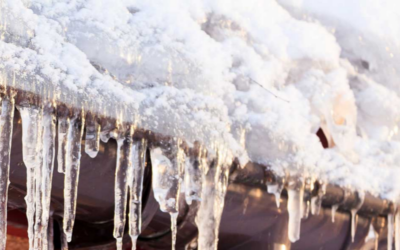
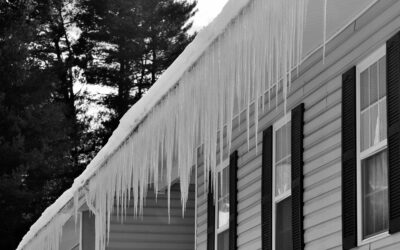
- Ice Dams
- Improper Skylight Installation
- Clogged Gutters
- Valley Failures
- Chimney Cracks
- Aging Roofing Materials
- Nail Pops
Any of these issues can create an entry point for water.
How to Find Out Where a Roof Leak Is Coming From
Step 1: Check Your Attic
Start by inspecting your attic with a flashlight. Look for water stains, black marks, mold, or damp insulation. If it’s raining, you might be lucky enough to see the water dripping.
Follow these tips:
- Trace water stains up the roof to their highest point.
- Look for daylight coming through the roof boards.
- Smell for mildew or musty odors that indicate dampness.
Step 2: Inspect Roof Penetrations
Any hole or object that penetrates the roof is a prime suspect. This includes:
- Chimneys
- Plumbing vent pipes
- Furnace flues
- Skylights
- Satellite dish mounts
Look for cracked or corroded flashing and dried-out sealants around these features.
Step 3: Simulate a Rain Test
If you can’t find the leak when it’s raining, simulate rain using a garden hose.
- Have someone go into the attic.
- Run the hose on different sections of the roof, starting low and moving up.
- Wait a few minutes between sections.
- When the person inside spots water, you’ve found the approximate area of the leak.
Step 4: Use Talcum Powder or Chalk
In hard-to-identify areas, use chalk or talcum powder:
- Dust the suspected areas.
- Let water flow.
- Follow the trail as the powder washes away, revealing the leak path.
Step 5: Check Roof Features and Edges
Other often-overlooked areas include:
- Roof valleys
- Eaves and fascia
- Drip edges
- Soffits
Make sure shingles are sealed and flashing is in place.
Tools You Can Use to Find Roof Leaks
- Flashlight (for attic inspections)
- Moisture meter
- Infrared camera (for hidden leaks)
- Garden hose
- Talcum powder
- Chalk
Dangers of Ignoring Roof Leaks
A minor leak can quickly escalate. Here’s what can happen if you delay repairs:
- Mold growth and health hazards
- Damaged insulation and higher energy bills
- Rotted framing and structural weakening
- Collapsing ceilings
- Fire risk from shorted electrical systems
When to Call a Roofing Professional
If you can’t find the source or if the leak is extensive, it’s time to call a licensed roofer. Professionals have the tools, training, and experience to:
- Detect leaks using infrared imaging
- Replace flashing and damaged shingles
- Provide long-term repair solutions
- Inspect the entire roofing system
Choose a Trusted Roofing Company in Northeast Ohio
If you live in Jefferson, Ashtabula County, or anywhere in Northeast Ohio, S\&K Construction and Remodeling LLC is your go-to expert for roof leak detection and repair.
Why choose us?
- Owens Corning Preferred Contractor
- 5-star Google Reviews
- Local and Family-Owned
- Fast, Affordable, and Reliable
- Financing Options Available
Our Leak Detection Services Include:
- Complete roof inspections
- Infrared scanning for hidden leaks
- Emergency tarping
- Full roof replacements
- Shingle, flashing, and vent repairs
Customer Testimonial
“S\&K found and fixed a leak we’d been chasing for months. They were fast, professional, and honest. Highly recommend!” — Emily R., Ashtabula, OH
Preventing Future Roof Leaks
Stay leak-free with these maintenance tips:
- Clean gutters regularly
- Trim overhanging branches
- Get annual roof inspections
- Check attic ventilation
- Replace aging shingles proactively
Final Thoughts
A leaky roof is more than just a nuisance—it’s a risk to your home’s safety and value. Knowing how to find out where a roof leak is coming from empower