(440) 307-2060
How to Spot Hail Damage on Roof: A Complete Homeowner’s Guide
Storms can be unpredictable, and one of the most common threats to your home’s roof is hail. Whether it’s small pellets or large golf-ball-sized chunks, hail can cause significant damage that isn’t always obvious from the ground. Knowing how to spot hail damage on roof surfaces is critical because early detection can prevent leaks, costly repairs, and even insurance claim denials.
In this guide, we’ll cover the signs of hail damage, the different ways it can affect roofing materials, how to safely inspect your roof, and what steps you should take if you find damage.
Why Hail Damage Matters
Your roof is your home’s first line of defense. Even minor hail impacts can loosen shingles, crack tiles, or dent metal roofing. Left untreated, those small damages can turn into leaks, water damage, mold growth, and structural problems. Insurance companies often require homeowners to report hail damage quickly, so spotting it early can also make the difference between a covered claim and an out-of-pocket expense.
What Does Hail Damage Look Like?
The first step in learning how to spot hail damage on roof materials is recognizing the visible signs. Hail affects different roofing types in unique ways:
Asphalt Shingles
- Bruising: Soft spots that feel spongy to the touch.
- Granule Loss: Exposed black asphalt areas where granules have been knocked away.
- Cracks or Splits: Shingles may fracture from heavy impacts.
- Random Patterns: Unlike uniform wear, hail damage appears scattered and irregular.
Wood Shakes or Shingles
- Splits: Sharp, clean cracks that run along the grain.
- Indentations: Dents or depressions visible on the surface.
- Orange/Brown Edges: Fresh splits show a different color than weathered wood.
Metal Roofing
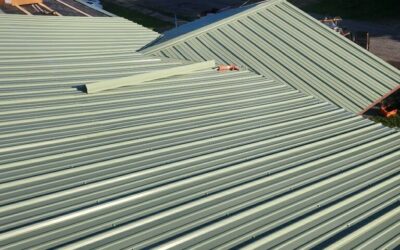
- Dents or Dings: Small round indents where hail struck.
- Coating Damage: Paint or protective layers may chip off.
Slate or Tile Roofing
- Chips and Cracks: Pieces of tile may break off.
- Shattered Corners: Impact often damages edges or corners.
Signs of Hail Damage Beyond the Roof
Sometimes you can spot hail damage without climbing on the roof. Look for:
- Dented Gutters and Downspouts – Rounded dents are a strong indicator of hail.
- Damaged Siding – Cracks, chips, or holes in siding point to strong hail.
- Dings on Metal Flashing – Flashing near chimneys or vents often shows hail first.
- Broken Windows or Screens – Severe hail often leaves obvious window damage.
- Destroyed Plants or Landscaping – Flattened plants may suggest roof damage above.
How to Safely Inspect for Hail Damage
Climbing onto your roof can be dangerous, so safety is essential. Here’s a step-by-step approach:
- Wait for Safe Conditions – Never climb after a storm when the roof is wet or slippery.
- Use Proper Gear – Wear soft-soled shoes with grip and use a stable ladder.
- Start at Ground Level – Look at gutters, siding, and landscaping before climbing.
- Check Roof Accessories – Inspect vents, skylights, and flashing for dents.
- Examine Shingles Closely – Look for bruises, granule loss, or cracks.
- Take Photos – Document damage for your records and potential insurance claim.
The Difference Between Hail Damage and Normal Wear
Many homeowners confuse natural wear with hail damage. Here’s how to tell the difference:
- Hail Damage – Appears randomly, with circular dents or spots of granule loss.
- Normal Wear – Gradual, even granule loss across the roof.
- Blistering – Small pockmarks caused by trapped moisture, not hail.
- Algae Stains – Dark streaks or discoloration that don’t result from impact.
If you’re unsure, it’s best to consult a professional roofer for confirmation.
Why Timing Is Critical
Insurance companies often require hail claims to be filed within a specific period, sometimes as short as 6–12 months after the storm. If you wait too long:
- The roof may deteriorate further, making damage harder to link to hail.
- You risk claim denial due to missed deadlines.
- Repairs may cost more if leaks or structural issues develop.
How Insurance Companies View Hail Damage
When you file a claim, the insurance adjuster will look for:
- Proof of Storm Event – Weather reports confirming hail in your area.
- Age of Roof – Older roofs may only receive partial coverage.
- Extent of Damage – Whether it affects functionality or is purely cosmetic.
- Documentation – Photos, reports, and contractor estimates.
Policies may differ: some cover full replacement (Replacement Cost Value), while others only cover Actual Cash Value (depreciated cost).
What to Do If You Find Hail Damage
- Document Everything – Photos from different angles are critical.
- Contact a Roofing Contractor – Get a professional inspection report.
- File an Insurance Claim Quickly – Call your insurance company and provide documentation.
- Meet the Adjuster with Your Contractor – This ensures nothing is overlooked.
- Review the Settlement Offer – Make sure it covers necessary repairs.
Preventing Future Hail Damage
While you can’t stop hailstorms, you can reduce risk:
- Impact-Resistant Shingles – Class 4 shingles are designed to withstand hail better.
- Metal Roofing – More durable than asphalt in many hail-prone areas.
- Regular Inspections – Catch small issues before they become big problems.
- Proper Attic Ventilation – Helps shingles last longer overall.
Regional Considerations
Hail is more common in certain areas of the United States:
- Midwest (“Hail Alley”) – States like Nebraska, Kansas, Colorado, and Oklahoma see frequent hail.
- South – Texas ranks among the top for hail claims.
- Mountain Regions – Elevation increases hail risk.
If you live in one of these areas, regular roof inspections should be part of your home maintenance routine.
FAQs About Hail Damage on Roofs
1. Can small hail damage a roof?
Yes. Even hail smaller than a dime can loosen granules and shorten roof life.
2. How soon after a storm should I check my roof?
As soon as it’s safe. The faster you document damage, the better for insurance claims.
3. Will insurance replace the whole roof for hail damage?
It depends on the extent of damage and your policy. Sometimes only partial repair is covered.
4. Can hail damage cause leaks right away?
Not always. Sometimes leaks appear weeks or months later as weakened areas worsen.
5. Should I repair hail damage myself?
It’s not recommended. Roofing work is dangerous, and improper repairs may void insurance coverage.
Case Studies
Case 1: Asphalt Shingle Roof in Texas
A storm produced quarter-sized hail. The homeowner noticed dents in gutters and missing granules. The adjuster confirmed damage, and insurance paid for a full roof replacement.
Case 2: Metal Roof in Colorado
Golf-ball-sized hail left visible dents but did not penetrate the panels. Since damage was cosmetic, the insurance company denied full replacement, covering only minor repairs.
Case 3: Wood Shake Roof in Kansas
Hail split several shakes. The insurer approved partial replacement, but since matching materials weren’t available, local building code required a full roof replacement, which insurance covered.
Professional vs. DIY Inspections
While you can spot obvious hail damage yourself, a professional roofer brings:
- Trained Eye – Experience distinguishing hail from normal wear.
- Safety Equipment – Harnesses, ladders, and protective gear.
- Documentation – Detailed inspection reports useful for insurance claims.
Hiring a pro may cost money upfront but can save thousands in repairs or replacement later.
The Hidden Cost of Ignoring Hail Damage
If you don’t know how to spot hail damage on roof systems or ignore the warning signs, you could face:
- Leaks – Allowing water into your attic and walls.
- Mold Growth – Moisture creates an environment for mold.
- Higher Energy Bills – Damaged shingles reduce insulation efficiency.
- Reduced Property Value – A roof in poor condition lowers home resale value.
Final Thoughts
Learning how to spot hail damage on roof surfaces is one of the most important skills a homeowner can have. From bruised shingles to dented gutters, the signs may be subtle, but they can have serious consequences. The key is early detection, proper documentation, and quick action—whether that means calling a roofing contractor or filing an insurance claim.
Your roof protects everything you own. By knowing what to look for after a hailstorm, you can save yourself from costly repairs and ensure your home stays safe and secure. 440-235-3124