(440) 307-2060
Installing Drip Edge on an Existing Roof: Why It Matters, How It’s Done, and the Options Available
When it comes to protecting your home from water damage, the little things matter—a lot. One of the most overlooked yet essential components of a well-installed roofing system is the drip edge. You may not even see it from the street, but it plays a vital role in preserving your roof, fascia boards, soffits, and gutters for years to come.
If you’re wondering whether you can install a drip edge on an existing roof, the answer is yes—and it’s often a smart move if your current roof doesn’t have one or if the old drip edge is failing. In this guide, we’ll dive deep into:
- What drip edge is and why it matters
- The benefits of installing or upgrading your drip edge
- How drip edge is installed on an existing roof
- Color options available
- Common drip edge sizes
- How it helps direct water and prevent roof rot
- Tips on installation overlaps, water shedding, and fascia protection
- When you should install it and what to expect
What Is a Drip Edge?
A drip edge is a thin, L-shaped metal flashing installed at the edges of a roof—typically along the eaves and rakes. Its job is simple yet crucial: guide water away from the fascia board and into the gutters, prevent water infiltration, and protect the structural integrity of your roof system.
Without a drip edge, water can sneak behind the gutters or run directly down the fascia, causing rot, mold, and eventual structural failure. Roofing codes in many areas, including parts of Northeast Ohio, require drip edge as part of modern roofing systems.
Why Installing Drip Edge on an Existing Roof Is Important
Whether you’re dealing with aging fascia boards, poor water runoff, or upgrading your roofing system, adding or replacing drip edge is one of the smartest upgrades you can make. Here’s why:
1. Protects Fascia Boards and Soffits
Water tends to follow surfaces. Without a drip edge, rainwater can cling to the edge of shingles and flow directly behind the gutters, rotting the fascia board. Over time, this can lead to soffit damage and mold growth in your attic.
2. Improves Water Shedding
Drip edge helps water run off cleanly into the gutter system by creating a sharp angle at the edge of the roof, ensuring it doesn’t curl under the shingle line or drip behind it.
3. Protects Roof Decking
When water creeps under shingles at the edge of your roof, it can saturate your roof decking, leading to delamination, rot, and even internal leaks.
4. Improves Curb Appeal
With various color options, a drip edge can be customized to match or accent your trim, gutters, and fascia boards. It’s a subtle but visible upgrade that gives your roof a finished, professional look.
5. Meets Building Codes
Many local building codes and manufacturer warranties now require the installation of a drip edge. Adding one to an existing roof brings it up to modern standards.
Drip Edge Colors: Match or Accent Your Roof
Drip edge comes in a wide variety of colors to blend with or enhance the appearance of your roofline. Most homeowners opt for a color that matches their gutter system or complements the trim. Some common options include:
- White – Clean and neutral, pairs well with most siding and roofing colors.
- Black – Sleek, modern, and great for high-contrast looks.
- Brown or Bronze – A popular choice for homes with natural wood tones.
- Gray – Pairs well with stone or concrete-look exteriors.
- Almond or Beige – Perfect for warmer, softer home color palettes.
- Custom Colors – Many manufacturers can custom match colors to your home.
Common Sizes of Drip Edge
Drip edge sizes vary, depending on the roof pitch and overhang. The most common sizes are measured by the length of the “face” (the part that covers the fascia) and the “flange” (the part that goes under the shingles). Common sizes include:
- 1.5” x 1.5” – Suitable for low to medium-pitch roofs.
- 2” x 2” – Offers extra coverage for steeper roofs or wider fascia boards.
- 3” x 3” – Provides maximum protection, often used in commercial applications or for homeowners who want maximum overhang.
In Northeast Ohio, 2” x 2” is the most common residential choice, offering just the right balance of protection and aesthetic appeal.
How Is Drip Edge Installed on an Existing Roof?
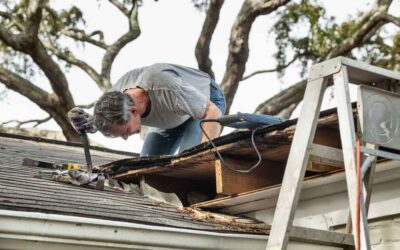
Yes—you can install a drip edge on an existing roof, though it does require some experience, especially to avoid disturbing your existing shingles. Here’s how professionals typically do it:
1. Lift the Bottom Shingles Carefully
The bottom row of shingles is gently lifted using a flat pry bar to make room for the drip edge flange. Care must be taken not to crack or crease the shingles.
2. Slide the Drip Edge Under the Shingles
The flange of the drip edge is slid under the underlayment and shingles, while the face covers the fascia board. This positioning ensures that water flows properly off the roof edge.
3. Lap Each Piece Correctly
Drip edge pieces are lapped over one another by at least 2 inches. Importantly, the upper piece must lap over the lower piece to prevent water from catching and leaking behind.
4. Use the Right Fasteners
Galvanized or stainless steel roofing nails are used every 8 to 12 inches, driven into the roof deck—not the fascia board.
5. Seal Where Needed
At corners and roof valleys, sealant may be used to provide additional waterproofing.
Drip Edge Pitch and Overhangs: Making Water Flow
The drip edge is designed to enhance water pitch, not interrupt it. On a properly installed system:
- The shingle overhangs the drip edge by about 1/4” to 3/8”
- The drip edge face covers the entire fascia board
- The pitch of the roof naturally drives the water down onto the drip edge, which then funnels it into the gutter
A roof without a drip edge may allow water to flow behind the gutter, causing hidden moisture damage to the structure of the home.
Wedges and Custom Fittings for Uneven Fascia Boards
Sometimes fascia boards are angled or warped, especially in older homes. In these cases, wedge-shaped pieces of drip edge or custom-bent flashing is used to keep the metal facing perpendicular to the ground. This helps maintain water direction and the aesthetic of the home.
Can I Install Drip Edge Myself?
While it may seem like a straightforward DIY project, installing drip edge on an existing roof can be tricky, especially if:
- Your shingles are brittle or aging
- Your fascia is already showing signs of rot
- Your gutters are in the way
- You don’t have the right tools to cut, lap, and secure metal flashing
This is why many homeowners hire experienced roofing contractors like S&K Construction and Remodeling LLC in Northeast Ohio to ensure the job is done right.
When Should You Install or Replace Drip Edge?
Here are a few situations where adding or replacing drip edge makes sense:
- You’re replacing your gutters – It’s the perfect time to inspect and upgrade the drip edge.
- Your fascia boards show signs of rot – Drip edge helps prevent further water infiltration.
- You’ve had water leaks near the eaves – The current edge may be missing or improperly installed.
- You’re installing a new roof – Drip edge is now a code requirement in many areas.
- You want to upgrade your roof’s performance – Even if your shingles are fine, a drip edge can boost efficiency and curb appeal.
Drip Edge and Building Codes
Most modern building codes, including those enforced in Ohio, require drip edge to be installed along the eaves and rakes. The International Residential Code (IRC) specifically mandates it to ensure homes are protected from water infiltration.
Without it, not only could you void your roofing material warranty, but you could also be out of code during inspections or home sales.
Drip Edge and Ice Damming Protection
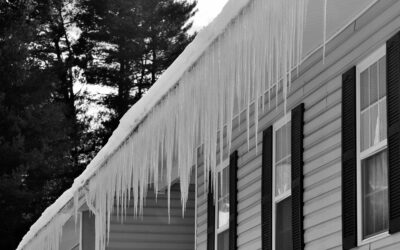
In cold climates like Ohio, drip edge plays a critical role in preventing ice dams. Ice dams occur when snow melts on your warm roof and refreezes at the edge. Without a drip edge, this frozen water can back up under your shingles, leading to roof leaks and structural damage.
When paired with ice and water shield membrane, the drip edge provides one of the best lines of defense against this common winter problem.
Conclusion: Drip Edge Is Small But Mighty
While it may be a thin piece of metal, drip edge is one of the most important components of a complete roof system. It quietly does the hard work of keeping water off your fascia, protecting your decking, and ensuring runoff goes where it’s supposed to—into your gutters.
Whether you’re installing a new roof or looking to upgrade an existing one, don’t overlook the power of proper drip edge installation. With dozens of colors, sizes, and professional methods for retrofitting it to an existing roof, there’s no excuse not to protect your home properly.
Looking for expert drip edge installation in Northeast Ohio?
Trust the pros at S&K Construction and Remodeling LLC, where we take pride in getting the details right—because the small stuff protects your biggest investment.
We offer free inspections, competitive pricing, and fast turnaround, all while using high-quality materials and skilled craftsmanship.
🛠️ Zero down financing available with approved credit (620+ score)
⏱️ Fast 1-day installs available on many projects
🌟 Hundreds of 5-star Google reviews
🏠 Locally owned and proudly serving all of Northeast Ohio