(440) 307-2060
Is Moss Bad For Your Roof? A Complete Guide
Homeowners often wonder, is moss bad for your roof? Moss is a green, fuzzy plant that grows in damp, shaded areas. While it might look harmless or even charming, moss can have serious implications for the health and longevity of your roof. Understanding how moss affects roofing materials, why it grows, and what steps to take if you notice it can help homeowners protect their investment.
This guide will cover the effects of moss on roofs, the causes of growth, preventive measures, removal methods, and long-term maintenance strategies. By the end, you will have a clear understanding of why moss matters and how to manage it effectively.
What Is Moss?
Moss is a non-vascular plant that thrives in shaded, damp environments. Unlike most plants, moss does not have roots that penetrate deeply into soil; instead, it grows on surfaces like wood, asphalt shingles, or tiles. On roofs, moss can cling to shingles and gradually spread across the surface.
Key Characteristics of Moss
- Moisture-Loving: Moss thrives in areas with high humidity or frequent rainfall.
- Shade Preference: Moss grows best in shaded areas of a roof where sunlight is limited.
- Slow Growing: Although moss spreads slowly, it can cover large areas over time.
- Surface Clinger: Moss does not dig deeply but attaches to roofing materials, potentially causing damage through moisture retention and physical disruption.
Understanding these characteristics is important for recognizing why moss grows and how it interacts with roofing materials.
Why Moss Grows on Roofs
Several factors contribute to moss growth:
- Moisture Accumulation: Roofs that retain moisture due to rainfall, humidity, or poor drainage are prone to moss growth.
- Shaded Areas: Trees or nearby buildings can create shaded areas that prevent sunlight from drying out the roof.
- Cool Temperatures: Moss thrives in cooler climates where warmth and sunlight are limited.
- Debris and Organic Material: Leaves, branches, and dirt can trap moisture and provide a surface for moss to grow.
- Roof Material: Certain roofing materials, like asphalt shingles and wood shakes, are more susceptible to moss attachment due to their texture.
By understanding these factors, homeowners can take preventive measures to reduce the likelihood of moss growth.
Effects of Moss on Roofing
Moss may seem harmless, but it can have several negative effects on a roof over time:
1. Moisture Retention
Moss holds moisture against the surface of shingles, wood, or tiles. Prolonged moisture exposure can cause:
- Shingle deterioration
- Wood rot
- Formation of leaks
- Weakening of the roof structure
2. Shingle Damage
Moss can lift shingles as it grows, causing gaps and creating openings for water to penetrate. This may lead to:
- Curling or warping of shingles
- Loss of granules on asphalt shingles
- Premature aging of the roof
3. Ice Damming Risk
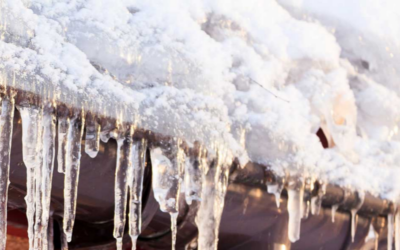
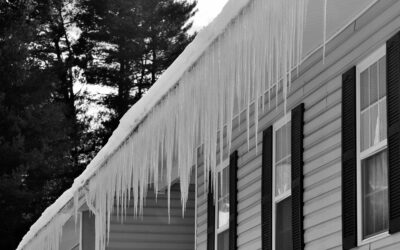
In colder climates, moss can contribute to ice dam formation by holding water in shaded areas. Ice dams prevent proper drainage and increase the risk of leaks inside the home.
4. Structural Damage
Over time, moss can accelerate damage to the roof deck and underlying structures. Moisture trapped by moss may seep into wood or underlayment, causing rot, mold, and structural weakness.
5. Reduced Lifespan
A roof covered with moss may have a significantly reduced lifespan compared to a well-maintained roof. Even high-quality shingles can deteriorate faster if moss is allowed to persist.
Signs of Moss Growth
Homeowners should regularly inspect their roofs for signs of moss:
- Green, fuzzy patches on shingles or tiles
- Shingles lifting or curling at the edges
- Dark streaks indicating retained moisture
- Damp or musty smell inside the attic
- Water stains on ceilings or walls due to leaks
Early detection is key to preventing extensive damage. Regular inspections, especially in shaded or damp areas, can save time and money in the long run.
Is All Moss Harmful?
Not all moss is immediately dangerous, but even small amounts can lead to problems over time. While moss itself does not penetrate shingles deeply, its ability to trap moisture, lift materials, and create conditions conducive to rot makes it a concern.
Some homeowners believe moss adds aesthetic value, particularly in natural or rustic settings. While this may be true visually, the potential damage outweighs any decorative benefits. Preventing or removing moss is generally recommended to protect the roof and maintain its functionality.
Preventing Moss Growth
Prevention is the best strategy to manage moss on your roof. The following methods can help minimize growth:
1. Trim Overhanging Branches
Trees that shade the roof contribute to moss growth. Trimming branches allows more sunlight to reach the roof, keeping it dry and less hospitable to moss.
2. Maintain Gutters and Downspouts
Clogged gutters can trap water on the roof and create damp conditions for moss. Regularly cleaning gutters ensures proper drainage and reduces moisture accumulation.
3. Install Zinc or Copper Strips
Metal strips installed along the roof ridge release ions during rain, inhibiting moss growth. Zinc and copper are natural moss deterrents and can provide long-term protection when properly installed.
4. Use Moss-Resistant Shingles
Some asphalt shingles are manufactured with copper or other additives that resist moss and algae growth. Choosing moss-resistant shingles during installation or replacement can reduce the risk.
5. Improve Roof Ventilation
Proper attic ventilation helps regulate temperature and moisture levels, creating conditions less favorable for moss.
6. Remove Debris
Regularly remove leaves, pine needles, and other debris that retain moisture and provide a growing surface for moss.
Moss Removal Methods
If moss is already present, removal should be handled carefully to avoid damaging the roof:
1. Manual Removal
Using a soft-bristled brush or broom, moss can be gently scraped off shingles. Avoid using pressure washers, as they can damage shingles and remove protective granules.
2. Chemical Treatments
Moss-killing solutions are available that can be sprayed on the roof. These chemicals usually contain zinc or potassium salts and help kill moss without harming roofing materials. Always follow manufacturer instructions and safety precautions.
3. Combination Approach
In many cases, a combination of manual removal and chemical treatment is most effective. First, gently remove moss buildup, then apply a chemical treatment to prevent regrowth.
4. Professional Services
For extensive moss infestations or roofs that are difficult to access, hiring a professional roof cleaning service is recommended. Professionals have the tools and expertise to safely remove moss and treat the roof without causing damage.
Long-Term Maintenance
Preventing moss from returning requires ongoing attention:
- Inspect the roof regularly for early signs of moss growth
- Keep gutters clear and ensure proper drainage
- Trim trees and maintain a sunlit environment
- Apply moss-preventive treatments periodically, especially in damp climates
- Replace worn or damaged shingles promptly
Regular maintenance can prolong the life of the roof and reduce the likelihood of costly repairs caused by moss-related damage.
Impact of Climate
Moss growth is more common in regions with:
- High rainfall or humidity
- Shaded roofs
- Cooler temperatures
- Areas with dense tree coverage
Homeowners in these climates should be especially vigilant, combining preventive measures with routine inspections to manage moss effectively.
Costs and Considerations
Allowing moss to persist on a roof can lead to expensive repairs. Costs may include:
- Shingle replacement due to lifting or curling
- Roof deck or underlayment repairs from moisture damage
- Professional moss removal services
- Increased insurance claims if leaks occur
Investing in prevention and regular maintenance is often more cost-effective than repairing extensive moss-related damage.
Moss vs Algae
It’s important to distinguish moss from algae. Algae appears as dark streaks on roofs and thrives in similar conditions but does not lift or damage shingles as moss does. Both can be managed with preventive treatments, but moss poses a greater structural risk.
Is Moss Bad for Your Roof?
Based on the information above, the answer is yes. Moss is harmful because it:
- Retains moisture, accelerating shingle deterioration
- Lifts shingles, creating gaps for water infiltration
- Increases the risk of wood rot and structural damage
- Reduces the lifespan of the roof
- Can contribute to ice dam formation in cold climates
Even small amounts should be addressed promptly to prevent long-term issues.
Conclusion
Moss may seem like a minor or natural part of your roof’s appearance, but it is indeed harmful if left unchecked. Regular inspections, preventive measures, and safe removal practices are essential to protect your home.
To summarize:
- Moss grows in shaded, damp areas and thrives on certain roof materials.
- It retains moisture and can damage shingles, underlayment, and the roof deck.
- Preventive strategies include trimming trees, maintaining gutters, installing metal strips, and using moss-resistant shingles.
- Removal methods should be gentle, using soft brushes, chemical treatments, or professional services.
- Ongoing maintenance and attention are key to prolonging roof life and avoiding costly repairs.
Understanding the impact of moss on your roof helps homeowners make informed decisions about maintenance and repair. Addressing moss early ensures the roof remains strong, durable, and protective for many years. 440-235-3124