(440) 307-2059
Low Pitch Roofing Options: Complete Guide for Homeowners
When you think about a roof, chances are you imagine steep, sloping shingles that quickly shed water and snow. But not every roof is built that way. Many homes, additions, porches, and garages use low pitch roofs, which have a gentler slope than traditional roofs. These types of roofs require special attention, because not every material works well on a low slope. Choosing the right low pitch roofing options is essential for durability, performance, and long-term protection of your home.
This in-depth guide will cover what a low pitch roof is, why it needs specific materials, the most popular roofing systems available, pros and cons of each, installation considerations, costs, and maintenance tips. By the end, you’ll know exactly which low pitch roofing option might be right for your home or project.
What Is a Low Pitch Roof?
A roof’s pitch is the measure of its slope, expressed as the rise over the run. For example, a 4:12 pitch means the roof rises 4 inches for every 12 inches of horizontal run.
- Standard residential roofs: Often 4:12 to 9:12.
- Low pitch roofs: 2:12 or less (sometimes 3:12 is considered “low slope”).
- Flat roofs: Technically anything under 2:12, but they are never completely flat — they always have a slight pitch for drainage.
Low pitch roofs are popular for:
- Porches and patios.
- Garages and sheds.
- Modern or contemporary homes with sleek rooflines.
- Commercial and industrial buildings.
Why Low Pitch Roofs Require Special Roofing Options
Unlike steep-sloped roofs, which easily shed water and snow, low pitch roofs hold water for longer. That means:
- Water drainage is slower.
- Roofing materials are exposed to standing water and debris.
- Leaks are more likely if the wrong material is used.
Traditional asphalt shingles don’t perform well below 2:12 pitch. Manufacturers typically specify a minimum slope requirement because shingles rely on gravity to shed water. On a low slope, water can seep under the shingle layers, leading to leaks and structural damage.
That’s why it’s so important to understand the right low pitch roofing options and select materials designed to handle ponding water and slow drainage.
Best Low Pitch Roofing Options
Now let’s explore the most reliable and popular materials for low slope and flat roofs.
1. EPDM Rubber Roofing
EPDM (ethylene propylene diene monomer) is a synthetic rubber roofing membrane widely used for flat and low slope roofs.
Pros:
- Highly durable and flexible.
- Resistant to UV rays, hail, and weathering.
- Can last 25–30 years with proper maintenance.
- Large sheets mean fewer seams, reducing leak risk.
- Relatively affordable compared to other flat roof systems.
Cons:
- Standard black EPDM absorbs heat (though white versions are available).
- Can puncture if heavy equipment or branches land on it.
Best for: Garages, porches, and residential additions with 2:12 or lower pitch.
2. TPO Roofing
TPO (thermoplastic polyolefin) is another membrane roofing material, popular for both residential and commercial applications.
Pros:
- White surface reflects sunlight, reducing cooling costs.
- Energy-efficient and eco-friendly.
- Welded seams create strong waterproofing.
- Resistant to algae, mold, and chemicals.
Cons:
- Shorter track record compared to EPDM.
- Quality can vary depending on manufacturer.
Best for: Homeowners who want energy efficiency and a reflective surface on their low pitch roof.
3. PVC Roofing
PVC (polyvinyl chloride) membranes are similar to TPO but have been around longer.
Pros:
- Proven durability — can last 25–30 years.
- Welded seams are watertight.
- Excellent resistance to chemicals, grease, and moisture.
- Reflective and energy-efficient.
Cons:
- More expensive than TPO or EPDM.
- Not as flexible in cold climates (can become brittle).
Best for: Low pitch residential roofs that need durability and energy savings.
4. Modified Bitumen Roofing
Modified bitumen combines asphalt with polymers for flexibility and strength, typically installed in layers.
Pros:
- Time-tested material for low slope roofs.
- Multiple application methods (torch-applied, self-adhered, cold-applied).
- Durable and impact resistant.
- Works well in a variety of climates.
Cons:
- Requires skilled installation to avoid seam issues.
- Dark color absorbs heat unless surfaced with reflective granules.
Best for: Residential low slope roofs where traditional asphalt performance is preferred.
5. Built-Up Roofing (BUR)
One of the oldest flat roofing systems, built-up roofing involves alternating layers of bitumen and reinforcing fabrics topped with gravel.
Pros:
- Extremely durable and weather resistant.
- Multi-layer protection against leaks.
- Excellent UV protection with gravel surfacing.
Cons:
- Heavy — may not be suitable for all structures.
- Labor-intensive installation.
- Can be more expensive than single-ply systems.
Best for: Large low slope or flat roofs needing maximum durability.
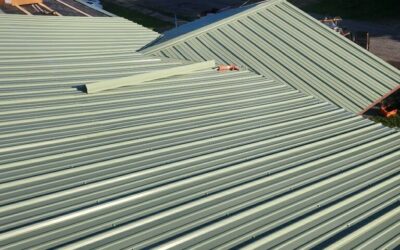
6. Standing Seam Metal Roofing
While shingles don’t work well on low slopes, standing seam metal panels can be used on pitches as low as 1:12 with the right underlayment and seam design.
Pros:
- Sleek, modern appearance.
- Very durable — 40–70 year lifespan.
- Panels run vertically, directing water off the roof.
- Fire resistant and recyclable.
Cons:
- Higher upfront cost than shingles or membranes.
- Improper installation can lead to leaks.
Best for: Contemporary homes and additions with gentle slopes that need style and longevity.
Factors to Consider When Choosing Low Pitch Roofing Options
Selecting the right material depends on several key factors:
- Roof Pitch – Some materials (like shingles) simply don’t work below 2:12. Always check manufacturer guidelines.
- Climate – Hot, sunny regions may benefit from reflective TPO or PVC, while cold climates may do better with EPDM or modified bitumen.
- Budget – Membranes like EPDM are affordable, while standing seam metal comes at a premium.
- Aesthetics – Metal roofs provide a more attractive residential look, while membranes are often hidden from street view.
- Maintenance – BUR and modified bitumen may require more upkeep compared to TPO or metal.
Installation Considerations for Low Pitch Roofs
Installing a low pitch roof requires expertise. Some key considerations include:
- Proper drainage design: Scuppers, gutters, and internal drains prevent ponding.
- High-quality underlayment: Essential for waterproofing.
- Seam sealing: Critical in membrane roofing systems.
- Ventilation: Prevents condensation and structural damage.
- Flashing: Proper flashing around chimneys, skylights, and edges ensures leak protection.
Hiring a roofer experienced with low pitch roofing is crucial — not all contractors specialize in these systems.
Cost of Low Pitch Roofing Options
The cost of a low pitch roof varies by material:
- EPDM: $4–$8 per sq. ft.
- TPO: $5–$9 per sq. ft.
- PVC: $6–$10 per sq. ft.
- Modified Bitumen: $4–$8 per sq. ft.
- Built-Up Roofing: $6–$12 per sq. ft.
- Standing Seam Metal: $10–$18 per sq. ft.
For an average 2,000 sq. ft. roof, homeowners can expect:
- Budget options: $8,000–$16,000 (EPDM, Modified Bitumen).
- Mid-range options: $10,000–$20,000 (TPO, PVC).
- Premium options: $20,000–$36,000 (Metal, BUR).
Advantages of Low Pitch Roofs
- Modern style: Great for contemporary architecture.
- Easier maintenance access: Safer to walk on compared to steep slopes.
- Potential for rooftop use: Some designs allow rooftop gardens or patios.
- Lower construction costs: Less framing material compared to steep roofs.
Disadvantages of Low Pitch Roofs
- Drainage issues: Slower water runoff can cause ponding.
- Material limitations: Fewer roofing materials are suitable.
- Higher leak risk: Requires meticulous installation.
- More frequent inspections: To catch small problems before they escalate.
Maintenance Tips for Low Pitch Roofs
- Inspect twice a year – Look for cracks, seam separation, or ponding water.
- Clean debris – Leaves and branches can trap moisture.
- Check drainage systems – Keep scuppers, gutters, and downspouts clear.
- Monitor interior ceilings – Look for water stains that indicate leaks.
- Schedule professional inspections – Especially after storms or heavy snow.
FAQs About Low Pitch Roofing Options
Can asphalt shingles be used on low pitch roofs?
Not usually. Most shingle manufacturers recommend a minimum pitch of 2:12.
What’s the cheapest low slope roofing option?
EPDM and modified bitumen are among the most affordable.
What’s the longest-lasting low pitch roofing option?
Standing seam metal and built-up roofing can last 40–70+ years.
Do low pitch roofs always leak?
No, but they are more vulnerable if improperly installed or maintained.
Are low pitch roofs energy efficient?
Yes, especially with reflective materials like TPO, PVC, or light-colored metal.
Final Thoughts
Low pitch roofs require thoughtful planning and the right materials to perform well. Unlike steep roofs that can handle shingles easily, low slopes need watertight systems designed for slower drainage. The best low pitch roofing optionsinclude EPDM, TPO, PVC, modified bitumen, built-up roofing, and standing seam metal. Each has unique pros and cons, and the right choice depends on your climate, budget, and design goals.
If you’re considering a new low slope roof or replacing an existing one, consult a roofing contractor with experience in flat and low pitch installations. With the right material and proper care, your low pitch roof can provide decades of protection and performance. 440-235-3124