(440) 307-2060
Minimum Slope for Metal Roofing: A Complete Guide
When planning a roofing project, one important factor to consider is the minimum slope for metal roofing. This detail plays a critical role in the roof’s performance, durability, and resistance to water intrusion. Slope, also known as pitch, determines how effectively water, snow, and debris shed from the roof surface. Metal roofing is known for its strength and longevity, but installing it on an inappropriate slope can compromise its benefits. Understanding slope requirements ensures your roof performs as intended for decades.
What Does Roof Slope Mean?
Before digging into the specifics of metal roofing, it’s important to understand roof slope in general. Roof slope refers to the angle or steepness of the roof. It is expressed as a ratio of vertical rise to horizontal run. For example, a slope of 4:12 means that for every 12 horizontal inches, the roof rises 4 inches vertically.
Slopes can range from nearly flat (low-slope roofs) to very steep. The slope impacts how water flows off the roof, how roofing materials are installed, and even the overall aesthetic of the building.
Why Slope Matters in Metal Roofing
Slope is more than just an aesthetic choice; it is a functional requirement. Here are several reasons why slope is essential for metal roofing systems:
- Water Drainage
Metal roofing relies on water runoff. A sufficient slope prevents water from pooling, which reduces the risk of leaks, rust, and material breakdown. - Snow and Ice Shedding
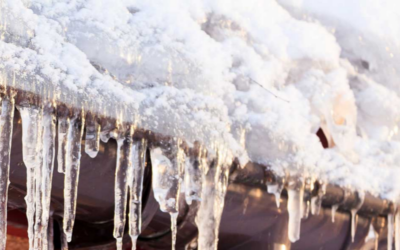
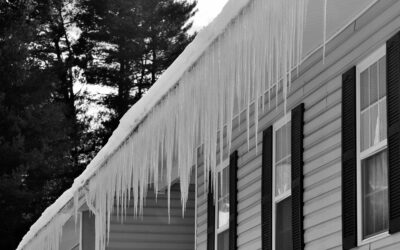
In colder climates, a roof with an adequate slope allows snow and ice to slide off more easily. This reduces weight stress and prevents ice damming. - Wind Resistance
Steeper slopes can resist wind uplift better than flatter ones. On the other hand, low slopes require specialized installation techniques and seam designs to prevent wind-driven rain from infiltrating. - Material Performance
Manufacturers often specify the minimum slope for their metal roofing products to ensure the system works as designed. Installing below the recommended slope can void warranties or shorten the roof’s lifespan.
The Minimum Slope for Different Types of Metal Roofing
Not all metal roofing is the same. There are several systems in use today, each with unique requirements for minimum slope.
1. Standing Seam Metal Roofs
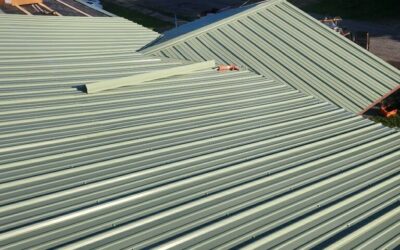
Standing seam systems are one of the most popular choices due to their sleek appearance and durability. They feature raised seams that interlock or are mechanically seamed to provide a watertight barrier.
- Minimum slope: Typically 1/4:12 for mechanically seamed systems.
- Snap-lock systems, which are less watertight, generally require a slope of at least 3:12 to perform well.
2. Corrugated Metal Panels
Corrugated panels are the wavy sheets of metal commonly seen on agricultural buildings, barns, and modern homes. They are secured with exposed fasteners, so their slope requirements are higher.
- Minimum slope: Generally 3:12 or greater.
- At lower slopes, water can seep through the panel laps or around the fasteners.
3. Metal Shingles
Metal shingles mimic the look of traditional roofing products like slate, shake, or tile. They are interlocked and fastened securely to resist water intrusion.
- Minimum slope: Typically 3:12 or greater.
4. Structural Metal Panels
These heavy-duty panels are designed to span open framing without decking. They are often used in industrial or commercial settings.
- Minimum slope: Can be as low as 1/4:12 depending on the seam and fastening system.
Building Codes and Manufacturer Guidelines
Most building codes reference minimum slope requirements for roofing systems. However, specific products may come with their own manufacturer guidelines, which should always take precedence.
- International Building Code (IBC) often requires a minimum slope of 1/4:12 for standing seam metal roofs with soldered or sealed seams.
- Panels with lapped or non-sealed seams usually require at least 3:12.
Failing to follow these guidelines may lead to code violations, roof failures, and costly repairs.
Challenges of Low-Slope Metal Roofs
While metal roofing is versatile, using it on low-slope roofs presents unique challenges:
- Water Ponding
On slopes below 1:12, water does not drain quickly and can pond, leading to leaks and corrosion. - Seam Vulnerability
Snap-lock seams may not hold up under water pressure on low-slope installations. Mechanical seaming or sealants are often required. - Debris Accumulation
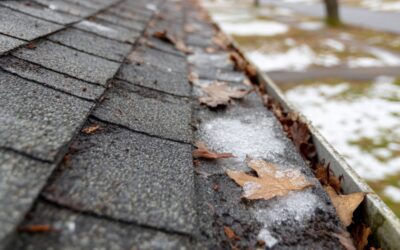
Low slopes allow leaves, twigs, and other debris to accumulate, which can trap moisture. - Ice Dams
In cold regions, low slopes increase the risk of ice buildup along edges.
Advantages of Higher Slopes for Metal Roofs
Although the minimum slope for metal roofing can be as low as 1/4:12 in certain cases, steeper slopes offer advantages:
- Improved Drainage: Water runs off quickly, reducing leak risks.
- Aesthetic Appeal: Steeper slopes showcase the clean lines of standing seam systems.
- Longevity: Less standing water means longer-lasting panels.
- Snow Management: Helps prevent roof collapse from heavy snow loads.
Common Mistakes in Slope Consideration
When dealing with slope, homeowners and builders sometimes make mistakes that compromise the roof:
- Ignoring Manufacturer Guidelines
Using a product on too shallow a slope can result in failure. - Incorrect Installation
Even if the slope is correct, poor seaming or fastening methods can cause leaks. - Over-Reliance on Sealants
Sealants are not substitutes for proper slope and seam design. - Assuming All Metal Roofs Work on Any Slope
Not all systems are created equal—what works for a structural seam may not work for corrugated panels.
How to Calculate Roof Slope
Calculating slope is straightforward. You need two measurements: rise (vertical height) and run (horizontal distance).
- Measure 12 inches horizontally on the roof deck.
- Measure how many inches the roof rises in that span.
- Express the result as a ratio (e.g., 4:12).
If you’re unsure about slope, a roofing professional can measure it accurately before recommending metal roof options.
Climate Considerations for Minimum Slope
The ideal slope can also depend on climate:
- Rainy Climates: Steeper slopes shed water quickly and are ideal for heavy rainfall areas.
- Snowy Regions: Moderate to steep slopes allow snow to slide off, preventing buildup.
- Hot, Dry Areas: Low slopes can work in arid climates, but proper installation is still essential.
Maintenance and Slope
Even if the minimum slope for metal roofing is met, maintenance is crucial:
- Keep gutters clean to prevent water backup.
- Inspect seams annually for signs of wear or separation.
- Remove debris that may trap moisture.
- Check for ponding after storms, especially on low-slope roofs.
Longevity of Metal Roofs Based on Slope
The slope you choose can impact how long your roof lasts:
- Low slope with proper installation: 30–50 years, though maintenance will be more intensive.
- Moderate to steep slope: 40–70 years, with less frequent maintenance needed.
Choosing the Right Slope for Your Project
When selecting slope, weigh these factors:
- Aesthetic goals – Do you prefer the modern, sleek look of a low slope or the traditional profile of a steep roof?
- Budget – Low slopes may require specialized installation, increasing cost.
- Climate – Steeper slopes are more resilient in wet or snowy areas.
- Building design – Some architectural styles call for specific slope profiles.
Conclusion
The minimum slope for metal roofing is not a one-size-fits-all number. It varies depending on the type of metal roofing system, climate conditions, and manufacturer recommendations. While some standing seam systems can perform well on slopes as shallow as 1/4:12, most exposed-fastener and shingle-style metal products require at least 3:12 for reliable performance.
By understanding slope requirements and choosing the right system, you can ensure your metal roof delivers decades of durability, weather resistance, and beauty. 440-235-3124