(440) 307-2060
Understanding the Minimum Slope on Metal Roofs: A Homeowner’s Guide
When planning a roofing project, one of the most important design considerations is the minimum slope on metal roof installations. Roof slope, also called pitch, determines how water and snow move off the surface and plays a key role in durability and performance. Metal roofs are valued for their long lifespan and energy efficiency, but if they aren’t installed with the correct slope, problems such as ponding water or leaks can occur. Knowing the requirements for slope helps homeowners and contractors ensure the roof performs as intended.
What Roof Slope Means
Roof slope refers to how steep a roof is. It’s usually expressed as a ratio, such as 4:12, meaning the roof rises 4 inches for every 12 inches of horizontal run.
- Low slope: 2:12 or lower
- Moderate slope: Between 3:12 and 6:12
- Steep slope: Greater than 6:12
The slope affects not just appearance but also drainage, material performance, and long-term durability.
Why Slope Matters for Metal Roofs
Metal roofing is known for its water-shedding ability, but proper slope ensures water moves off the roof quickly. If the slope is too low:
- Water may pool or move slowly.
- Seams are exposed to more stress, increasing the risk of leaks.
- Debris buildup is more likely, leading to corrosion.
A well-designed slope maximizes the strengths of metal—longevity, strength, and energy efficiency.
Minimum Slope Requirements for Different Metal Roofing Systems
Not all metal roofing is the same. Each system has its own slope requirements.
1. Standing Seam Metal Roofs
- Minimum slope: Typically 1/4:12 to 1/2:12, depending on whether the panels are mechanically seamed.
- Reason: The raised seams help prevent water intrusion, making it suitable for very low slopes.
2. Through-Fastened Panels (Corrugated Metal)
- Minimum slope: Usually 3:12
- Reason: Exposed fasteners make these roofs more vulnerable to water infiltration, so they require steeper slopes for drainage.
3. Hydrostatic Systems
- Minimum slope: Can be as low as 1/4:12
- Reason: Designed for water-tightness rather than water-shedding, often used on commercial buildings.
4. Architectural Standing Seam
- Minimum slope: Generally 3:12 or greater
- Reason: These systems focus on appearance as well as function, requiring a moderate slope to perform well.
How Climate Affects Minimum Slope on Metal Roof
Where you live plays a major role in determining the ideal slope:
- Snow-prone regions: Steeper slopes help shed snow, preventing excessive weight.
- Rainy climates: Even a low slope may work if the system is fully sealed, but steeper slopes shed water faster.
- Dry, hot regions: Low slopes can work well because water accumulation isn’t a big concern.
Builders often consult local building codes to ensure compliance with climate-specific requirements.
Building Codes and Standards
Building codes set minimum slope requirements for safety and performance. The International Building Code (IBC)and International Residential Code (IRC) typically require:
- Minimum slope for lapped, non-soldered metal roofs: 3:12
- Minimum slope for standing seam with sealed seams: 1/4:12
These codes exist to prevent water damage, leaks, and premature roof failure. Always check local regulations, as requirements vary by region.
Advantages of Correct Slope on Metal Roofs
Getting slope right brings multiple benefits:
- Improved Drainage: Water and snow slide off easily.
- Longevity: Prevents corrosion caused by standing water.
- Energy Efficiency: Proper slope allows for good airflow and reflects heat better.
- Aesthetics: The right slope enhances curb appeal and architectural design.
- Warranty Protection: Manufacturers often void warranties if roofs are installed at the wrong slope.
Problems Caused by Insufficient Slope
If a metal roof is installed at less than the required minimum slope, issues can appear quickly:
- Leaks at Seams and Fasteners – Water infiltrates between panels.
- Structural Stress – Standing water adds unnecessary weight.
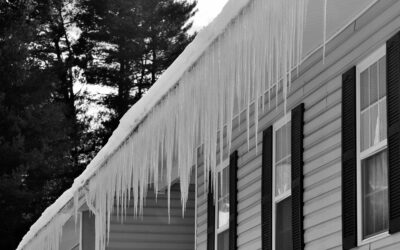
- Ice Damming – In cold climates, improper slope traps ice, forcing water under panels.
- Shortened Lifespan – Premature rusting or material failure may occur.
- Costly Repairs – Fixing leaks or structural issues is more expensive than installing correctly from the start.
How Contractors Calculate Roof Slope
Roofers use simple tools to determine slope:
- Measuring level: A level and tape measure can calculate the rise over 12 inches of run.
- Pitch gauges: Used directly on the roof surface.
- Digital apps and tools: Modern software quickly measures pitch from photos or blueprints.
Accurate measurement ensures the chosen roofing system meets its slope requirements.
Installing Metal Roofs on Low Slopes
Installing on low slopes requires extra care:
- Use mechanically seamed standing seam panels.
- Apply underlayment membranes designed for waterproofing.
- Ensure proper flashing around penetrations such as vents and chimneys.
- Seal seams with manufacturer-approved sealants.
These precautions help prevent leaks where water drains more slowly.
Comparing Low-Slope and Steep-Slope Metal Roofs
- Low-slope metal roofs: Modern standing seam systems allow very shallow slopes, common in commercial applications.
- Steep-slope metal roofs: Offer excellent drainage and visual appeal, often used in residential projects.
Choosing between the two depends on design goals, climate, and budget.
Minimum Slope vs. Recommended Slope
There’s a difference between minimum slope (the absolute lowest allowable) and recommended slope (the ideal for performance).
- Minimum slope prevents failure.
- Recommended slope ensures optimal longevity and fewer maintenance needs.
For example, a standing seam system may allow 1/4:12, but the manufacturer might recommend 1/2:12 or higher.
Lifespan of Metal Roofs with Correct Slope
When installed with the correct slope, metal roofs can last:
- Standing seam: 40–70 years
- Corrugated metal: 25–40 years
- Copper, zinc, or premium metals: 70–100 years
The slope ensures water management, which is critical for achieving these lifespans.
Cost Considerations
Slope impacts project cost:
- Low slopes: May require specialized panels and waterproofing, increasing labor and material cost.
- Steep slopes: Require more safety equipment, increasing labor costs.
On average, a metal roof costs $8–$14 per square foot installed, but slope and complexity may push the price higher.
Maintenance Needs Based on Slope
- Low slope: Requires more frequent inspections for standing water or debris.
- Steep slope: Easier water shedding but harder to access safely for cleaning.
Either way, annual inspections keep the roof in top condition.
Common Myths About Minimum Slope on Metal Roofs
- Myth: All metal roofs can be installed on flat roofs.
- Truth: Only specialized systems work on very low slopes.
- Myth: Slope doesn’t matter with metal because it’s waterproof.
- Truth: Even metal needs proper slope for water management.
- Myth: Steeper slopes always perform better.
- Truth: Performance depends on the right system, not just steepness.
Environmental Benefits of Metal Roofs
With the right slope, metal roofs provide:
- Energy savings through solar reflectivity.
- Recyclability at the end of their life.
- Compatibility with solar panels.
Proper slope can even improve solar panel performance by optimizing angle and drainage.
Key Takeaways
- The minimum slope on metal roof systems depends on the panel type and installation method.
- Standing seam roofs allow lower slopes than exposed fastener systems.
- Local codes and manufacturer guidelines should always be followed.
- Correct slope protects against leaks, extends roof life, and ensures warranty coverage.
Final Thoughts
Metal roofs offer durability, beauty, and efficiency, but they must be installed with the right slope to perform as intended. Understanding the minimum slope on metal roof designs helps homeowners avoid costly mistakes and ensures the investment pays off for decades. Whether you’re considering a low-slope modern design or a traditional pitched roof, making the right choice in slope ensures strength, safety, and long-lasting performance. 440-235-3124