(440) 307-2060
Signs You Need a New Roof: A Complete Homeowner’s Guide
Your roof is one of the most important parts of your home. It protects you from the elements, provides insulation, and contributes to your home’s overall value and appearance. Over time, however, wear and tear, weather damage, and material aging can compromise its effectiveness. If you need a new roof, recognizing the signs early and understanding your options is critical to prevent leaks, structural damage, and costly repairs.
This guide explores everything homeowners need to know about determining if you need a new roof, the types of roofing materials available, budgeting, insurance considerations, and tips for hiring the right contractor.
1. Common Signs That You Need a New Roof
Recognizing the warning signs is the first step in deciding whether your roof needs replacement.
Age of the Roof
- Asphalt shingles: Typically last 15–25 years
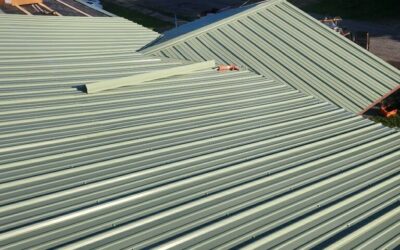
- Metal roofs: Can last 40–70 years
- Tile or slate roofs: Often last 50+ years
If your roof is approaching or exceeding its expected lifespan, it may be time to consider replacement.
Visible Damage
- Curling or buckling shingles: Indicates aging or water damage.
- Missing shingles: Allows water to penetrate the roof deck.
- Cracked or blistered shingles: Compromise the roof’s protective layer.
- Granule loss: Excessive granules in gutters signal asphalt shingles are deteriorating.
Leaks and Water Damage
- Water stains on ceilings or walls
- Mold or mildew in the attic
- Dripping water or puddles in the attic
Persistent leaks often indicate that a simple repair is insufficient, and a new roof may be necessary.
Structural Issues
- Sagging roof deck
- Damaged or rotting wood under shingles
- Weak rafters or supports
Structural damage can worsen over time and may require full roof replacement.
Storm or Weather Damage
- Hail dents
- Wind damage
- Fallen branches or debris
Storm damage can accelerate aging and compromise the roof’s integrity.
2. Roofing Materials to Consider
When you need a new roof, selecting the right material is essential for durability, appearance, and cost-effectiveness.
Asphalt Shingles
- Pros: Affordable, widely available, variety of colors, easy to install
- Cons: Lifespan of 15–25 years, can be damaged by extreme weather
Metal Roofing
- Pros: Long-lasting (40–70 years), fire-resistant, energy-efficient, low maintenance
- Cons: Higher initial cost, can be noisy in rain or hail
Tile Roofing (Clay or Concrete)
- Pros: Extremely durable, fire-resistant, aesthetically appealing, lifespan of 50+ years
- Cons: Heavy, may require reinforced structure, expensive
Slate Roofing
- Pros: Elegant, very durable, fire-resistant, can last 75–100+ years
- Cons: Very heavy, high cost, requires specialized installation
Synthetic Materials
- Pros: Lightweight, affordable, mimics slate or shake, durable
- Cons: Lifespan shorter than natural materials, less proven track record in some climates
3. The Cost of a New Roof
Roof replacement is a major investment, and understanding costs helps homeowners plan effectively.
Factors Affecting Cost
- Roof size and pitch
- Material selection
- Labor costs
- Removal of old roofing
- Permits and inspections
- Structural repairs
Typical Costs
- Asphalt shingles: $3–$6 per sq. ft.
- Metal roofing: $7–$15 per sq. ft.
- Tile roofing: $10–$25 per sq. ft.
- Slate roofing: $15–$30+ per sq. ft.
Additional costs may include:
- Waste disposal
- Upgraded underlayment or insulation
- Ventilation improvements
4. Insurance Considerations
If your roof was damaged by a storm, insurance may cover the replacement.
Steps for Filing a Roof Claim
- Document damage with photos and notes
- Contact your insurance company promptly
- Schedule an inspection by an insurance adjuster
- Obtain roofing estimates from licensed contractors
- Submit estimates and documentation for claim approval
What Insurance Typically Covers
- Storm damage
- Wind or hail damage
- Fire-related damage
What Insurance May Not Cover
- Roof wear due to age
- Neglect or deferred maintenance
- Cosmetic issues unrelated to damage
Understanding your policy ensures that you maximize coverage and avoid surprises.
5. Selecting a Roofing Contractor
Choosing the right contractor is critical for a successful roof replacement.
Tips for Hiring a Contractor
- Verify licenses and insurance
- Check references and reviews
- Obtain multiple written estimates
- Ensure clear warranties for materials and workmanship
- Review the contract for scope of work, cost, and timeline
Red Flags to Avoid
- Door-to-door solicitations
- Extremely low bids
- No written contract or vague terms
- Lack of references or portfolio
6. Roof Replacement Process
Understanding the process helps homeowners prepare for a roof replacement.
Step 1: Inspection and Estimate
- Contractor inspects roof condition, damage, and structure
- Provides detailed estimate including materials, labor, and permits
Step 2: Preparation
- Protect landscaping and property
- Remove old roofing materials
- Inspect roof deck for damage
Step 3: Installation
- Install underlayment for moisture protection
- Place new roofing materials according to manufacturer guidelines
- Install flashing, ventilation, and ridge caps
Step 4: Clean-Up and Final Inspection
- Remove debris
- Inspect for proper installation and potential issues
- Provide warranty documentation
7. Roof Maintenance After Replacement
Even after installing a new roof, maintenance ensures longevity.
- Regular inspections, especially after storms
- Clean gutters and downspouts
- Trim overhanging tree branches
- Remove debris from roof surface
- Address minor issues promptly to prevent major damage
8. Energy Efficiency Considerations
A new roof offers opportunities to improve energy efficiency:
- Cool Roof Materials: Reflective shingles reduce heat absorption
- Proper Ventilation: Helps regulate attic temperature and prevents moisture buildup
- Insulation: Upgraded insulation reduces heating and cooling costs
Energy-efficient choices can provide long-term savings and environmental benefits.
9. Planning and Budgeting for a New Roof
A new roof is a significant investment, so careful planning is essential:
- Set a realistic budget, considering materials and labor
- Factor in additional costs like permits, disposal, and structural repairs
- Determine financing options, such as home equity loans, personal loans, or insurance coverage
- Prioritize quality materials and workmanship over low upfront costs
10. Roof Replacement Timing
The timing of a roof replacement can affect costs and convenience:
- Spring and Summer: Ideal due to dry weather and long days
- Fall: Suitable in mild climates but watch for early storms
- Winter: Can be challenging; some materials may be difficult to install in cold weather
Planning for optimal weather conditions ensures smoother installation and better performance.
11. Common Mistakes Homeowners Make
- Ignoring Signs of Damage: Delays can lead to leaks and structural issues
- Choosing Cheapest Material or Contractor: Can result in shorter lifespan or poor workmanship
- Skipping Permits or Inspections: Can lead to fines or insurance complications
- Neglecting Ventilation and Insulation: Impacts roof performance and energy efficiency
Avoiding these mistakes ensures a long-lasting and effective roof.
12. Environmental Considerations
- Recycling Old Roofing Materials: Asphalt shingles, metal, and tile can often be recycled
- Sustainable Materials: Cedar shakes, metal roofing, and some synthetic materials are environmentally friendly
- Energy Efficiency: Reflective or cool roofing reduces energy consumption
- Longevity: Durable materials reduce waste over time
Making environmentally conscious choices benefits both the planet and your home.
13. Frequently Asked Questions
1. How do I know if I need a new roof?
Look for age, leaks, missing or damaged shingles, structural issues, and storm damage.
2. How long does it take to replace a roof?
Most residential roofs take 1–3 weeks depending on size and complexity.
3. Can I stay in my home during replacement?
Yes, though there may be noise and limited roof access.
4. How much does a new roof cost?
Costs vary widely, typically $3–$30+ per sq. ft. depending on material and labor.
5. Should I file an insurance claim?
If damage is due to a covered event like a storm or hail, file a claim promptly.
14. Conclusion
Recognizing the signs that you need a new roof is critical to protecting your home, investment, and family. From assessing damage and choosing materials to budgeting, insurance considerations, and hiring a reputable contractor, a thoughtful approach ensures your new roof is durable, efficient, and visually appealing.
By addressing roofing issues promptly and making informed decisions, homeowners can avoid costly repairs, extend the life of their roof, and maintain the safety and comfort of their home for years to come.
A new roof is more than just shingles—it’s a long-term investment in your home’s protection and value. Don’t wait until leaks or structural damage appear; act proactively when signs indicate you need a new roof. 440-235-3124