(440) 307-2060
New Roof Leaking: Causes, Solutions, and What Homeowners Need to Know
Discovering a new roof leaking can be both confusing and frustrating. After investing significant money into a brand-new roof, seeing water stains on your ceiling or drops of water in your attic raises immediate concerns. Many homeowners assume a leak indicates poor workmanship or defective materials, but the reality is often more complex. Understanding why a new roof might leak, the steps to address the issue, and preventive measures can save time, money, and stress.
This comprehensive guide explores the causes of new roof leaks, the costs and processes for repairs, how warranties come into play, and practical advice for ensuring your new roof performs as expected.
Why a New Roof Can Leak
Even a newly installed roof is not immune to leaks. Several factors can contribute, including installation errors, material defects, and environmental conditions.
1. Improper Installation
The most common reason for a new roof leaking is installation mistakes. Examples include:
- Incorrect Shingle Placement: Misaligned shingles or improper nailing can allow water to penetrate.
- Flashing Errors: Flashing is critical around chimneys, vents, and valleys. Incorrectly installed flashing often leads to leaks.
- Underlayment Issues: Skipping or poorly installing underlayment compromises waterproofing.
- Fastener Problems: Nails that are too short, improperly angled, or missing can create gaps.
Even minor errors can lead to significant water intrusion over time.
2. Material Defects
While less common, defective materials can also cause leaks. These may include:
- Warped or Damaged Shingles: Defects during manufacturing can reduce the ability to shed water.
- Cracked or Thin Tiles: Ceramic or concrete tiles that are flawed can allow water penetration.
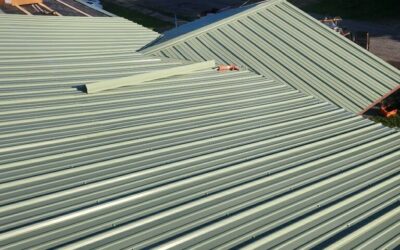
- Metal Panel Defects: Imperfections in seams or coatings may create leaks.
Most reputable roofing manufacturers test their materials extensively, but occasionally defective batches reach homeowners.
3. Extreme Weather Conditions
New roofs are designed to withstand typical weather, but extreme events can cause leaks:
- Heavy Rain or Hail: Sudden storms may expose weak points in seams or flashing.
- High Winds: Can lift shingles or shift roofing panels, allowing water entry.
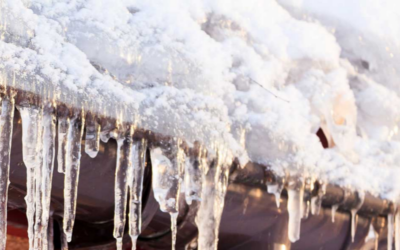
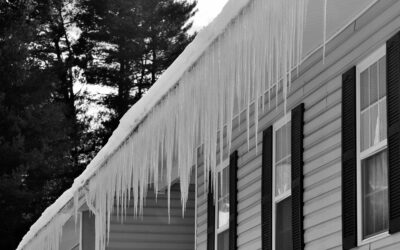
- Snow and Ice: Ice dams or heavy snow buildup can force water under shingles.
4. Settling and Structural Movement
Even new homes or roofs experience slight settling, which can shift roofing components and create gaps. Expansion and contraction due to temperature changes can also stress materials and seals.
Identifying the Leak Source
Pinpointing the source of a leak is critical for effective repair. Leaks can appear far from their origin because water can travel along beams, under shingles, or along flashing. Common indicators include:
- Water stains on ceilings or walls
- Dripping in the attic during rain
- Sagging roof decking
- Mold or mildew growth
Professional roof inspectors use specialized tools and knowledge to trace leaks accurately, ensuring repairs address the real problem rather than the visible symptom.
Costs Associated with a New Roof Leaking
Repair costs vary depending on the source of the leak, roofing material, and roof complexity. Here’s a breakdown:
1. Minor Leak Repairs
- Cost: $150–$500
- Scope: Small shingle replacement, sealant application, flashing adjustment.
- Time: Usually completed in a few hours.
2. Moderate Repairs
- Cost: $500–$1,500
- Scope: Multiple shingles or tiles replaced, underlayment repair, partial flashing replacement.
- Time: Typically 1–2 days depending on access and materials.
3. Major Repairs
- Cost: $1,500–$4,000+
- Scope: Extensive shingle or tile replacement, large flashing or underlayment repairs, possible roof deck replacement.
- Time: Several days, especially if structural issues exist.
4. Warranty-Covered Repairs
If the leak results from defective materials or improper installation, most manufacturers or contractors provide warranty coverage, potentially reducing out-of-pocket costs significantly.
Steps to Take When a New Roof Leaks
If you notice your new roof leaking, take the following steps:
1. Document the Damage
Take photos of leaks, water stains, and any affected property. Documentation helps with insurance claims and warranty claims.
2. Contact Your Contractor Immediately
Promptly notify the roofing contractor who installed your roof. Most contractors offer workmanship warranties, and quick reporting ensures timely inspections and repairs.
3. Inspect the Area Safely
If safe, check your attic or roof for obvious signs of leaks. Avoid walking on a wet roof to prevent slips or further damage.
4. Contact the Manufacturer (if necessary)
For material defects, contact the manufacturer. Provide documentation of the issue and any prior inspections or repairs.
5. Prevent Further Damage
Place buckets or containers under leaks and remove any valuables from affected areas. Use temporary sealing if recommended by your contractor.
Common Areas Where New Roof Leaks Occur
Certain roof components are more prone to leaks, especially on new installations:
1. Flashing
Flashing directs water away from chimneys, skylights, valleys, and roof intersections. Improperly installed or damaged flashing is a top cause of leaks.
2. Valleys
The areas where two roof planes meet collect large amounts of water. Incorrect shingle placement or inadequate sealing can allow water infiltration.
3. Roof Penetrations
Vents, pipes, and skylights must be sealed properly. Improper sealing leads to leaks shortly after installation.
4. Shingles or Tiles
Missing, damaged, or misaligned shingles or tiles can allow water to penetrate, especially during heavy rainfall.
5. Gutters and Downspouts
Improper drainage can cause water to pool near roof edges or walls, creating leaks that appear unrelated to the roof itself.
DIY vs Professional Repairs
DIY Repairs
While minor leaks may be addressed by homeowners, DIY repairs carry risks:
- Safety hazards from walking on a roof
- Misidentifying the leak source
- Voiding warranties
Professional Repairs
Hiring a licensed roofer ensures:
- Accurate leak detection
- Proper repairs according to manufacturer specifications
- Warranty protection
- Reduced risk of future leaks
Most experts recommend professional intervention for any leak on a new roof.
Preventive Measures for New Roofs
Preventing leaks helps extend roof life and avoid costly repairs:
- Regular Inspections: Schedule inspections after installation and annually thereafter.
- Maintenance of Flashing and Sealants: Check seals around roof penetrations regularly.
- Proper Attic Ventilation: Reduces moisture buildup and ice dam formation.
- Tree Maintenance: Prevents branches from damaging roofing materials.
- Gutter Cleaning: Ensures water is directed away from roof edges and walls.
Understanding Warranties
A new roof typically comes with multiple warranties:
- Workmanship Warranty: Covers installation errors by the contractor, usually 1–10 years.
- Manufacturer’s Material Warranty: Covers defects in shingles, tiles, or metal panels, typically 20–50 years.
- Extended Warranties: Some manufacturers offer enhanced coverage for leaks or failures.
Understanding warranty coverage helps homeowners determine whether a repair is at their expense or covered.
Insurance Considerations
Homeowners insurance may cover leaks if the cause is a covered peril, such as hail, wind, or falling trees. Steps to take include:
- Documenting the damage thoroughly
- Contacting your insurer promptly
- Obtaining contractor estimates for repairs
- Understanding policy limits and deductibles
Insurance can significantly reduce out-of-pocket expenses when leaks result from covered events.
Cost-Saving Tips
- Act Quickly: Early repairs prevent extensive water damage and structural issues.
- Get Multiple Estimates: Compare quotes from licensed contractors.
- Use Warranty Coverage: Ensure repairs are documented and covered when possible.
- Preventive Maintenance: Proper upkeep reduces the likelihood of recurring leaks.
Real-World Scenarios
- Minor Flashing Leak
- Small leak near chimney flashing
- Repair cost: $200–$400
- Completed within hours
- Multiple Shingle Leak Points
- Several shingles misaligned during installation
- Repair cost: $800–$1,500
- Completed within 1–2 days
- Decking Damage from Prolonged Leak
- Water seeped under underlayment, rotting roof deck
- Repair cost: $2,000–$4,000+
- Completed over multiple days
These examples illustrate the range of costs depending on the severity and source of the leak.
Tips for Choosing a Contractor
- Check Licensing and Insurance: Protects your home and investment.
- Verify References: Ask for photos and reviews from previous projects.
- Get Written Estimates: Ensure transparency in materials, labor, and additional costs.
- Understand Warranty Terms: Confirm coverage for materials and workmanship.
FAQs About New Roof Leaks
1. Is it normal for a new roof to leak?
No, but minor leaks can occur if installation or materials were flawed.
2. How quickly should I address a new roof leak?
Immediate action is recommended to prevent further damage.
3. Can a new roof leak void warranties?
DIY repairs or ignoring leaks can void warranties; always involve licensed professionals.
4. How long do repairs take?
Minor repairs can be completed in hours; major repairs may take several days.
5. Will insurance cover a new roof leak?
Only if caused by a covered peril. Installation errors are usually covered by workmanship warranties.
Conclusion
A new roof leaking can be stressful, but understanding the causes, repair processes, and preventive measures empowers homeowners to respond effectively. Common causes include installation errors, material defects, extreme weather, and structural movement. Promptly addressing leaks, documenting damage, involving licensed contractors, and leveraging warranties are essential steps to protect your investment.
By taking proactive measures and choosing reputable professionals, homeowners can ensure their new roof performs as intended, providing long-term protection, peace of mind, and the durability expected from a brand-new roof. 440-235-3124