(440) 307-2060
Exploring New Roofing Materials: What Homeowners Should Know
When it comes time to replace or upgrade your roof, many homeowners want to know what options are available with new roofing materials. Traditional asphalt shingles may still dominate the market, but innovation in roofing has expanded the possibilities far beyond what was once considered standard. From eco-friendly solutions to advanced composites designed to outlast anything else, the choices can feel overwhelming. Understanding these options can help you make a confident decision about what will protect your home for decades to come.
This guide takes a deep dive into the latest roofing materials, their advantages, disadvantages, costs, and long-term value.
Why Roofing Materials Are Changing
Roofing materials have historically been limited to wood shakes, clay tiles, slate, or asphalt shingles. While these are still widely used, several factors have pushed manufacturers to develop new options:
- Durability Needs: Homeowners want roofs that last longer and require less maintenance.
- Energy Efficiency: Modern roofing must help regulate home temperature and lower utility costs.
- Environmental Concerns: There is growing demand for recyclable or sustainable products.
- Aesthetic Variety: People want roofs that match the architectural style of their homes without compromising performance.
- Climate Challenges: Extreme weather conditions require materials that withstand hail, hurricanes, snow, and heat.
Categories of New Roofing Materials
Innovations in roofing can be grouped into several categories. Each offers unique benefits depending on climate, budget, and homeowner preference.
1. Metal Roofing Advancements
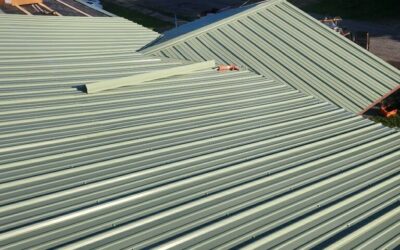
Metal has long been used for agricultural or industrial structures, but residential designs have expanded significantly. New coatings and styles allow metal roofing to mimic shingles, tiles, or shakes.
- Standing Seam Panels: Known for sleek vertical seams, hidden fasteners, and superior weather protection.
- Metal Shingles: Designed to look like traditional shingles while offering much greater durability.
- Stone-Coated Steel: Adds a textured appearance that resembles tile or wood but with the strength of steel.
Pros: Long lifespan (40–70 years), fire-resistant, lightweight, recyclable.
Cons: Higher upfront cost, potential for noise without proper insulation.
2. Synthetic and Composite Roofing
Synthetic materials are among the most exciting innovations in roofing today. These are engineered products designed to replicate the look of wood, slate, or tile without the drawbacks.
- Composite Slate: Lighter and more affordable than natural slate while maintaining appearance.
- Synthetic Cedar Shakes: Resistant to rot, insects, and warping compared to real wood shakes.
- Polymer Blends: Advanced plastics mixed with other compounds for extreme durability.
Pros: Lightweight, durable, often impact- and fire-resistant, wide variety of styles.
Cons: Still relatively new, so long-term performance is not as proven as traditional materials.
3. Solar Roofing Materials
One of the most significant innovations is solar-integrated roofing. Instead of mounting panels onto a roof, the roofing material itself generates power.
- Solar Shingles: Designed to look like regular shingles but function as solar panels.
- Solar Tiles: Blend into the overall roof design for a sleek, modern look.
Pros: Generates renewable energy, reduces electricity costs, eco-friendly.
Cons: High upfront cost, requires professional installation, performance depends on sun exposure.
4. Cool Roofing Technology
Cool roofing materials are engineered to reflect sunlight rather than absorb it. This helps regulate indoor temperature and reduces energy bills.
- Reflective Shingles: Lighter-colored asphalt shingles designed with special coatings.
- Reflective Metal: Metal panels coated to reflect heat more effectively.
- Membrane Roofing: Single-ply materials like TPO (thermoplastic polyolefin) and PVC that reflect UV rays.
Pros: Energy-efficient, reduces urban heat island effect, increases comfort in hot climates.
Cons: Some options may cost more upfront, effectiveness varies depending on region.
5. Green Roofing Systems
Living or “green” roofs are among the most unique new roofing materials available. These roofs incorporate soil and vegetation, essentially turning the rooftop into a garden.
Pros: Natural insulation, stormwater management, eco-friendly, improves air quality.
Cons: Expensive, requires strong structural support, ongoing maintenance.
6. Rubber Roofing Materials
EPDM (ethylene propylene diene monomer) and other rubber-based products are increasingly popular for both flat and sloped roofs.
Pros: Durable, flexible, resistant to UV rays and ozone.
Cons: Not as aesthetically versatile as other options, typically used for commercial or flat roofs.
7. Concrete and Fiber Cement Innovations
Concrete tiles are not new, but modern versions are lighter and stronger than ever. Fiber cement blends have also emerged as durable alternatives.
Pros: Fire-resistant, long lifespan, versatile appearance.
Cons: Heavy, requires strong roof structure.
Comparing New Roofing Materials
| Material Type | Lifespan | Cost (per sq. ft. installed) | Key Benefits | Drawbacks |
|---|---|---|---|---|
| Metal (Standing Seam) | 40–70 years | $7–$15 | Durable, energy-efficient, recyclable | Higher cost, noise potential |
| Synthetic Shakes/Slate | 30–50 years | $8–$16 | Lightweight, realistic appearance | Less proven long-term performance |
| Solar Shingles | 20–30 years | $15–$25+ | Renewable energy, eco-friendly | High cost, sun-dependent |
| Cool Roofing | 20–30 years | $6–$12 | Reflects heat, lowers energy bills | Varies by climate |
| Green Roofs | 30–50 years | $15–$30+ | Eco-friendly, stormwater management | Expensive, requires maintenance |
| Rubber (EPDM) | 25–35 years | $5–$10 | Flexible, great for flat roofs | Aesthetic limitations |
| Concrete/Fiber Cement | 40–60 years | $9–$18 | Fire-resistant, versatile appearance | Heavy, needs reinforced structure |
Cost Factors for New Roofing Materials
Several factors influence the overall cost of a roof:
- Material Type: Advanced composites or solar shingles cost significantly more than asphalt.
- Roof Size: Larger homes require more materials and labor.
- Roof Pitch and Complexity: Steeper or multi-level roofs increase labor costs.
- Location: Regional differences in labor rates and building codes affect pricing.
- Installation Method: Some materials require specialized crews.
Climate Considerations
Different roofing materials perform better in different climates.
- Hot Climates: Cool roofing, reflective metal, or concrete tiles help reduce heat absorption.
- Cold Climates: Metal roofing sheds snow easily, while synthetic shakes resist freeze-thaw damage.
- Storm-Prone Areas: Impact-resistant composites or metal roofs withstand hail and high winds.
- Dry Regions: Clay, concrete, or metal resist fire hazards common in arid climates.
Environmental Impact of New Roofing Materials
Sustainability is a major focus in roofing innovation. Many new roofing materials are designed with the environment in mind:
- Recyclability: Metal and some synthetics are fully recyclable at the end of their lifespan.
- Energy Efficiency: Cool roofing and solar options reduce reliance on fossil fuels.
- Waste Reduction: Installing lightweight composites or metal reduces landfill waste compared to asphalt tear-offs.
Longevity and Maintenance
Choosing a new roofing material isn’t just about appearance—it’s also about how long it will last and how much care it will require.
- Metal: Minimal maintenance, occasional inspections.
- Synthetic Slate/Shakes: Very low maintenance, resistant to common issues like rot.
- Solar Shingles: Require monitoring of performance and occasional cleaning.
- Green Roofs: Require consistent maintenance like watering and plant care.
- Rubber Roofing: Simple upkeep, occasional seam inspections.
Aesthetic Options
Today’s roofing materials don’t just protect—they transform curb appeal.
- Color Variety: Metal roofing now comes in hundreds of finishes.
- Texture Options: Synthetics replicate wood grain or slate detail.
- Custom Designs: Some materials allow homeowners to choose patterns, profiles, and shades tailored to their style.
Future of Roofing Materials
The roofing industry continues to evolve, and the next decade is likely to bring even more innovations:
- Advanced Nanocoatings: Self-cleaning and heat-reflective technologies.
- Smart Roofing Systems: Roofs integrated with monitoring sensors.
- Expanded Solar Options: More affordable and widely available solar roofing.
- Sustainable Growth: Greater use of recycled materials and eco-friendly composites.
Key Questions to Ask Before Choosing a New Roofing Material
- What is the expected lifespan of the material?
- How much will it cost to install and maintain?
- Is it suitable for my climate and weather conditions?
- Does my roof structure support the weight?
- Will it increase energy efficiency or home value?
- Are there warranty options available?
Conclusion
Choosing from the wide range of new roofing materials available today can feel overwhelming, but it also presents incredible opportunities. Whether you’re drawn to the durability of metal, the eco-friendliness of solar or green roofs, or the realistic look of synthetic shakes, there is a solution to match nearly every homeowner’s needs.
By considering climate, budget, aesthetics, and long-term performance, you can select a roofing material that not only protects your home but also enhances its beauty and efficiency for decades to come. 440-235-3124