Polyiso Insulation Thickness R-Value Chart: Understanding R-Value
When it comes to building energy-efficient homes or commercial properties, insulation plays a crucial role in keeping the structure comfortable, reducing energy costs, and maintaining long-term durability. One of the most popular and effective insulation types used in roofing and wall systems is polyisocyanurate insulation, commonly known as polyiso.
To make the most informed decision when selecting polyiso insulation for your property, it’s essential to understand R-value, the metric used to gauge thermal resistance. In this comprehensive guide, S&K Constructions breaks down how polyiso insulation works, its R-value based on thickness, and how you can use this information to improve your building’s energy performance. Polyiso insulation is commonly used in commercial roofing systems, especially for flat roofs where energy efficiency and moisture control are critical.
Need Better Insulation for a Commercial Flat Roof?
Polyiso insulation is commonly used in commercial flat roofing systems because it helps improve energy efficiency, thermal performance, and long-term roof durability. If your building has high energy bills, an aging flat roof, ponding water, roof leaks, or outdated insulation, it may be time to have the roofing system inspected.
S&K Construction And Remodeling LLC provides commercial roof inspections, flat roof replacement, roof insulation upgrades, EPDM roofing, TPO roofing, and low-slope roofing services throughout Northeast Ohio.
Schedule a free commercial roof inspection and estimate today.
How Polyiso Insulation Affects Commercial Roof Replacement Cost
Polyiso insulation can affect the cost of a commercial roof replacement because insulation thickness, R-value requirements, roof size, membrane type, attachment method, and existing roof condition all matter.
A commercial roof with poor insulation may lose heat, hold moisture, increase energy bills, and reduce the performance of the roofing system. During a commercial roof replacement, the contractor should inspect the existing insulation, roof deck, drainage, membrane, flashing, and moisture conditions.
Factors that affect commercial roof insulation cost include:
- Total roof size
- Polyiso thickness
- Required R-value
- Number of insulation layers
- Existing roof tear-off
- Wet or damaged insulation
- Roof deck condition
- EPDM, TPO, PVC, or modified bitumen system
- Drainage and tapered insulation needs
- Labor, fasteners, adhesives, and cleanup
-
Why Polyiso Is Commonly Used on Commercial Flat Roofs
Polyiso is one of the most common insulation choices for commercial flat and low-slope roofs because it provides strong thermal performance without adding excessive weight to the building. It is often installed under TPO, EPDM, PVC, and modified bitumen roofing systems.
For Northeast Ohio businesses, roof insulation matters because buildings deal with cold winters, hot summers, snow, ice, rain, and freeze-thaw cycles. A properly insulated commercial roof can help improve comfort, reduce heat loss, and protect the roof system from moisture-related damage.
Polyiso may be a good option for:
- Commercial flat roofs
- Low-slope roofing systems
- Warehouses
- Offices
- Churches
- Retail buildings
- Restaurants
- Multi-unit buildings
- Industrial buildings
What Is Polyiso Insulation?
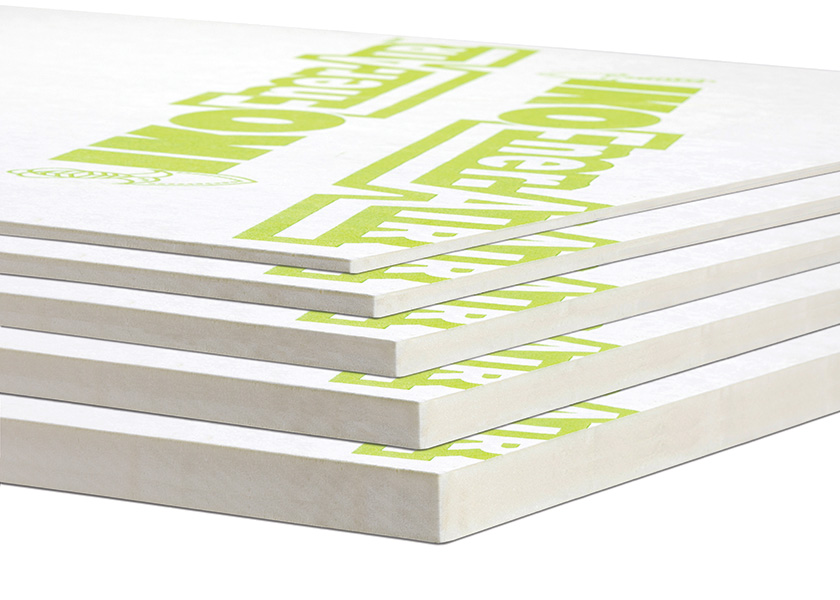
Polyisocyanurate, or polyiso, is a rigid foam board insulation that is often used in commercial roofing systems, residential walls, and ceilings. It’s made from a closed-cell foam plastic that offers superior thermal resistance compared to many other insulation materials.
Key Benefits of Polyiso:
- High R-value per inch
- Lightweight and easy to install
- Moisture-resistant
- Fire retardant properties
- Environmentally friendly (often contains recycled materials)
Because of its high performance and low environmental impact, polyiso is commonly chosen for projects aiming to meet LEED certification standards and other energy efficiency goals.
What Is R-Value and Why Does It Matter?
The R-value is a measure of thermal resistance, how well a material resists the conductive flow of heat. The higher the R-value, the greater the insulation performance. R-values are essential when selecting materials for: In commercial roofing systems, higher R-values are essential to meet energy codes and protect large buildings from heat loss.
- Residential homes
- Commercial properties
- Roofing systems
- Basement and attic insulation
- Wall cavities
Factors Affecting R-Value:
- Material type: Polyiso has a higher R-value per inch compared to materials like fiberglass or EPS.
- Density: Denser materials often provide more resistance to heat flow.
- Installation quality: Gaps, compression, or improper placement can reduce actual performance.
- Moisture: Wet insulation loses effectiveness.
Understanding the relationship between insulation thickness and R-value is key to designing high-performance buildings.
Polyiso Insulation Thickness vs. R-Value Chart
Below is a general R-value chart for polyiso insulation, assuming average industry values at 75°F mean temperature. (Note: Specific products may vary slightly depending on brand and manufacturing standards.)
In commercial applications, multiple layers of polyiso insulation are often installed to reach required R-values like R-30 or higher.
| Thickness (inches) | R-Value (Approx.) |
|---|---|
| 0.5” | R-3.2 to R-3.4 |
| 1.0” | R-6.0 to R-6.5 |
| 1.5” | R-9.0 to R-9.8 |
| 2.0” | R-12.0 to R-13.0 |
| 2.5” | R-15.0 to R-16.3 |
| 3.0” | R-18.0 to R-19.5 |
| 3.5” | R-21.0 to R-23.0 |
| 4.0” | R-24.0 to R-26.0 |
Important Notes:
- Polyiso generally provides R-6 to R-6.5 per inch, which is one of the highest among foam board insulations.
- The chart above is based on LTTR (Long-Term Thermal Resistance) testing, which better represents how insulation performs over time.
How Polyiso Stacks Up Against Other Insulations
Let’s compare polyiso to other common insulation materials based on R-value per inch:
| Material | R-Value per Inch |
|---|---|
| Polyiso | 6.0 – 6.5 |
| Extruded Polystyrene (XPS) | 5.0 |
| Expanded Polystyrene (EPS) | 3.6 – 4.2 |
| Fiberglass Batts | 2.9 – 3.8 |
| Mineral Wool | 3.0 – 3.3 |
| Spray Foam (Closed Cell) | 6.5 – 7.0 |
Polyiso stands out as a top performer in the rigid foam category, offering great thermal performance with less thickness, which can be beneficial in roofing applications or wall assemblies where space is limited.
Signs Your Commercial Roof Insulation May Need Replacement
Commercial roof insulation can become less effective if it gets wet, compressed, damaged, or poorly installed. When insulation fails, it can lead to higher energy bills, trapped moisture, roof leaks, soft spots, and premature roofing failure.
Schedule a commercial roof inspection if you notice:
- Rising heating or cooling bills
- Roof leaks
- Ponding water
- Soft spots on the roof
- Interior ceiling stains
- Wet insulation
- Blistering roof membrane
- Poor indoor temperature control
- Mold or moisture concerns
- Repeated flat roof repairs
If the insulation is wet or damaged, replacing only the membrane may not solve the problem. The roof system should be evaluated as a whole.
Applications of Polyiso Insulation
1. Commercial Roofing Systems
Polyiso is the go-to choice for low-slope commercial roofing systems, often used under single-ply membranes like TPO, EPDM, or PVC. Benefits include:
- High thermal resistance
- Lightweight properties
- Fire resistance
- Compatibility with multiple membrane types
2. Residential Wall Assemblies
Polyiso is increasingly used in continuous insulation (CI) on the exterior of walls. This method reduces thermal bridging and significantly increases whole-wall R-values.
3. Ceilings and Attics
Because of its high R-value per inch, polyiso is ideal for attics or ceiling spaces with limited height. This helps achieve desired R-values without sacrificing space.
4. Green Buildings and LEED Projects
Many polyiso products contain recycled content and contribute to green building credits. Its performance and sustainability profile make it an excellent choice for eco-conscious builders.
How Much Insulation Do You Need?
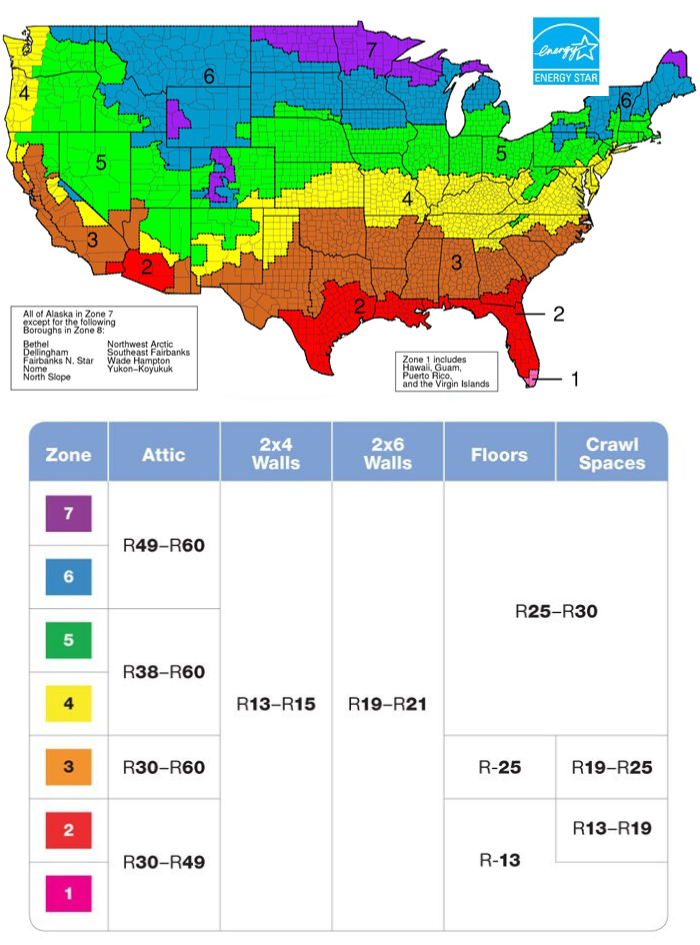
Your ideal insulation level depends on your climate zone, building type, and specific energy goals. Below is a simplified guide for roof insulation R-values by U.S. climate zones (per IECC guidelines):
| Climate Zone | Roof R-Value (Minimum) |
|---|---|
| 1–2 | R-30 |
| 3 | R-38 |
| 4 | R-49 |
| 5–6 | R-49 to R-60 |
| 7–8 | R-60+ |
For wall applications using polyiso as continuous insulation, codes generally recommend R-5 to R-10, depending on the zone and assembly type.
Tips for Installing Polyiso Insulation
Plan for Proper Fastening
Polyiso boards must be properly secured to the roof deck or wall substrate using mechanical fasteners or approved adhesives. Improper installation can create gaps and reduce thermal performance.
Use Tape for Seams
Sealing all joints with insulation tape or flashing prevents air infiltration and improves the system’s air barrier.
Layering for High R-Values
Multiple thinner boards can be layered together to meet higher R-value targets while reducing thermal bridging and avoiding overly thick panels.
Account for Thermal Drift
Over time, polyiso may experience slight thermal drift, meaning the R-value can decrease slightly. Always choose LTTR-tested products and consider future performance in your calculations.
Common Questions About Polyiso and R-Values
1. Does polyiso lose R-value over time?
Yes, polyiso can experience a small loss in R-value due to off-gassing of blowing agents, a phenomenon known as thermal drift. However, modern manufacturing and LTTR testing standards account for this, giving you a more accurate long-term performance value.
2. Is polyiso insulation water-resistant?
Polyiso has a closed-cell structure, which resists moisture penetration. However, it can still absorb water at the seams if not properly sealed. Foil-faced polyiso boards offer improved moisture and vapor resistance.
3. Can polyiso be used in below-grade applications?
Polyiso is not recommended for use below grade (i.e., in foundation walls or under slabs) because prolonged exposure to ground moisture can degrade performance.
4. What’s the difference between faced and unfaced polyiso?
Faced polyiso includes a layer of foil or fiberglass, improving fire performance, moisture resistance, and radiant heat reflectivity. Unfaced boards are typically used in specific roof assemblies or where other barriers are used.
Why R-Value Isn’t Everything
While R-value is a critical metric, it’s just one part of the equation. Whole-wall and whole-roof performance also depend on:
- Air sealing
- Moisture control
- Thermal bridging
- Installation quality
Using polyiso insulation in conjunction with continuous air barriers, vapor retarders, and proper flashing ensures the system performs as designed.
Final Thoughts: Choosing the Right Polyiso Thickness and R-Value
When selecting polyiso insulation for your roofing or wall project, consider:
- Your local building code R-value requirements
- Space constraints (thicker insulation = more depth)
- Climate zone
- Long-term performance expectations
- Budget vs. energy savings
The polyiso insulation thickness to R-value chart should serve as a reliable reference to help match your design goals with actual product specifications.
If you’re working with a contractor or architect, make sure they specify LTTR-rated polyiso products and install them correctly for maximum effectiveness.
Commercial Roof Insulation in Northeast Ohio
S&K Construction And Remodeling LLC helps businesses and property owners throughout Northeast Ohio with commercial roofing, flat roof replacement, low-slope roofing, and roof insulation upgrades.
We can help with:
- Commercial roof inspections
- Polyiso insulation
- Flat roof replacement
- EPDM roofing
- TPO roofing
- PVC roofing
- Modified bitumen roofing
- Low-slope roof repair
- Wet insulation replacement
- Tapered insulation systems
- Commercial roof estimates
Serving Jefferson, Ashtabula, Madison, Painesville, Mentor, Willoughby, Cleveland, Akron, Canton, Medina, Youngstown, Warren, and surrounding Northeast Ohio communities
Need Help With Roofing Insulation?
At S&K Construction and Remodeling LLC, we specialize in residential and commercial roofing systems throughout Jefferson, Ashtabula, Madison, Lakewood, and the surrounding Northeast Ohio areas. As an Owens Corning Preferred Contractor, we use only the best materials, including high-performance polyiso insulation, to deliver energy-efficient, durable, and code-compliant roofing systems.
We offer free estimates, financing options, and expert guidance to help you meet your energy efficiency goals. Check out our 340+ 5-star Google reviews to see why customers trust us for quality craftsmanship and reliable service.
Let’s Talk Insulation!
Schedule a Free Commercial Roof Inspection in Northeast Ohio
Not sure if your commercial roof has the right insulation or R-value? S&K Construction And Remodeling LLC can inspect your flat roof, insulation, membrane, drainage, flashing, and overall roofing system.
Our team can explain whether your building needs a repair, insulation upgrade, or full commercial roof replacement.
Call 440-235-3124 today to schedule your free commercial roof inspection and estimate.