(440) 307-2060

Preparing for Severe Weather: A Guide by S&K Construction and Remodeling LLC
Severe weather can strike at any time, bringing destructive winds, heavy rainfall, hail, and even catastrophic events like hurricanes and tornadoes. Being prepared is not only a smart move—it’s a necessity. S&K Construction and Remodeling LLC is committed to helping homeowners and businesses safeguard their properties against extreme weather conditions. This guide will walk you through the essential steps to prepare for severe weather and minimize potential damage.
Understanding the Risks
Different regions are susceptible to various types of severe weather. It’s crucial to understand what threats are most common in your area. Here are some common severe weather events and their impacts:
- Thunderstorms – High winds, lightning, and heavy rainfall can cause flooding and structural damage.
- Tornadoes – These violent storms can cause extensive damage within minutes, tearing apart buildings and infrastructure.
- Hurricanes – Strong winds, storm surges, and torrential rains pose significant risks to homes and businesses.
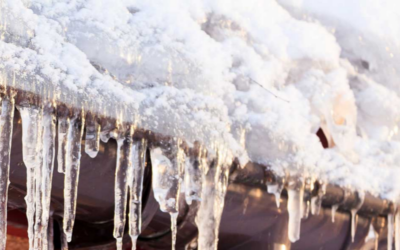
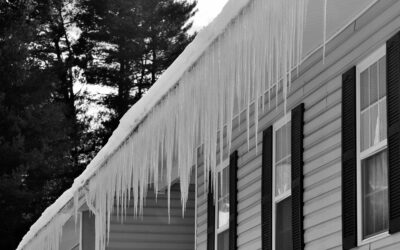
- Blizzards and Ice Storms – Heavy snow, ice accumulation, and freezing temperatures can collapse roofs and knock out power.
- Flooding – Rising water levels from storms or overflowing rivers can cause severe property damage and create hazardous conditions.
Understanding the risks in your area allows you to take proactive measures to fortify your home or business.
Essential Preparations
1. Inspect and Reinforce Your Property
S&K Construction and Remodeling LLC recommends performing routine inspections to identify vulnerabilities in your home or business structure. Here are key areas to check:
- Roofing – Ensure your roof is in top condition by repairing missing shingles and sealing any leaks. Consider impact-resistant shingles if you live in a hail-prone area.
- Windows and Doors – Install storm shutters or impact-resistant windows to protect against flying debris. Reinforce doors with heavy-duty locks and weather stripping.
- Foundation and Drainage – Inspect your foundation for cracks and ensure proper drainage around your property to prevent water infiltration.
- Siding and Gutters – Secure loose siding and clean out gutters to prevent water buildup and structural damage.
- Garage Doors – Reinforce garage doors to withstand high winds, as weak doors can be blown in and cause additional damage.
2. Create an Emergency Kit
Having an emergency kit ready can make a significant difference in your safety and comfort during severe weather. Your kit should include:
- Non-perishable food and bottled water (at least a three-day supply)
- Flashlights, batteries, and candles
- First-aid supplies and necessary medications
- Important documents (insurance policies, identification, emergency contacts)
- Blankets, extra clothing, and personal hygiene items
- A battery-powered or hand-crank radio to receive weather updates
3. Develop an Emergency Plan
A well-thought-out emergency plan ensures that everyone in your household or business knows what to do in case of severe weather. Your plan should include:
- Evacuation routes – Identify safe routes in case you need to leave your home.
- Safe rooms – Determine a secure location in your house, such as a basement or interior room without windows.
- Communication plan – Establish a way to contact family members or employees in case of separation.
- Backup power solutions – Invest in a generator to keep essential appliances running during power outages.
4. Invest in Home Improvements for Weather Protection
S&K Construction and Remodeling LLC offers specialized services to reinforce homes and businesses against severe weather. Consider the following upgrades:
- Storm-resistant roofing – Materials like metal roofing or hurricane-rated shingles provide extra protection.
- Impact-resistant windows and doors – These upgrades can withstand high winds and flying debris.
- Reinforced structural components – Strengthening walls, foundation, and support beams can enhance durability.
- Sump pumps and flood barriers – These installations help prevent water intrusion during heavy rains.
5. Stay Informed and Monitor Weather Alerts
Being informed is key to staying safe. Use weather apps, tune in to local news, and sign up for emergency alerts from government agencies. The National Weather Service (NWS) and Federal Emergency Management Agency (FEMA) provide valuable information during severe weather events.
After the Storm: Assessing Damage and Making Repairs
Once the storm has passed, it’s essential to assess your property for damage and make necessary repairs as soon as possible. S&K Construction and Remodeling LLC provides post-storm inspection and repair services to help restore your home or business to its original condition. Follow these steps after a severe weather event:
- Check for structural damage – Look for roof damage, broken windows, and compromised foundations.
- Assess water damage – Inspect basements, walls, and ceilings for signs of leaks or flooding.
- Photograph damage for insurance claims – Take clear photos of any damage to help with insurance claims.
- Hire professional restoration services – Contact experts like S&K Construction and Remodeling LLC for efficient and quality repairs.
Final Thoughts
Preparing for severe weather is a crucial responsibility for homeowners and business owners alike. By taking proactive measures and working with trusted professionals like S&K Construction and Remodeling LLC, you can safeguard your property, minimize damage, and ensure the safety of your loved ones or employees.
Don’t wait until disaster strikes—start preparing today! Contact S&K Construction and Remodeling LLC for expert advice and top-tier construction services designed to keep your home or business secure in any weather condition.