(440) 307-2060
A Complete Homeowner’s Guide to Replacement Roofs
When it comes to protecting your home, nothing is more important than the roof over your head. Over time, every roof reaches the end of its lifespan and needs to be replaced. That’s why understanding replacement roofs—from costs and materials to installation steps and long-term benefits—is essential for homeowners. Whether your roof is old, storm-damaged, or simply worn out, knowing what goes into a replacement can help you make informed decisions and protect your investment.
Why Roof Replacement Becomes Necessary
Roofs don’t last forever. Even the strongest roofing materials break down over time due to weather, sun exposure, and natural wear. Some of the most common reasons homeowners face roof replacement include:
- Age of the Roof – Most asphalt shingle roofs last 15–30 years, while metal or tile roofs last longer.
- Storm Damage – Hail, strong winds, or falling debris can cause significant damage beyond repair.
- Leaks and Water Damage – Small leaks can often be repaired, but widespread water damage usually means a new roof is required.
- Sagging or Structural Issues – A sagging roofline indicates deeper problems with the structure and requires full replacement.
- Curb Appeal and Value – Many homeowners choose replacement not only for safety but also to update the home’s look and increase resale value.
Signs It’s Time for a New Roof
If you’re unsure whether your roof needs repairs or full replacement, look for these key warning signs:
- Shingles are curling, cracking, or missing.
- Granules from shingles are showing up in gutters.
- Daylight is visible through roof boards in the attic.
- Persistent leaks appear despite multiple repairs.
- The roof is past its expected lifespan.
Being proactive can save you money by preventing costly interior damage.
Different Types of Replacement Roofs
When considering a new roof, you’ll encounter several material options, each with its own cost, lifespan, and maintenance needs.
1. Asphalt Shingles
- Lifespan: 15–30 years
- Pros: Affordable, widely available, easy to install
- Cons: Shorter lifespan compared to premium options
2. Architectural Shingles
- Lifespan: 25–40 years
- Pros: More durable than 3-tab shingles, stylish design
- Cons: More expensive than basic asphalt shingles
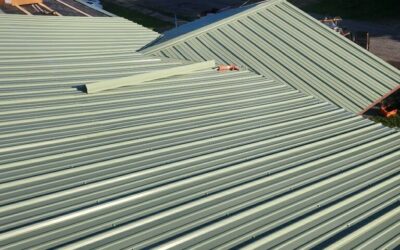
3. Metal Roofing
- Lifespan: 40–70 years
- Pros: Extremely durable, energy-efficient, low maintenance
- Cons: Higher upfront cost
4. Wood Shakes and Shingles
- Lifespan: 20–40 years
- Pros: Natural, rustic appearance
- Cons: Requires more maintenance, vulnerable to fire and pests
5. Clay or Concrete Tile
- Lifespan: 50–100 years
- Pros: Exceptional durability, classic aesthetic
- Cons: Heavy weight requires reinforced roof structure
6. Slate Roofing
- Lifespan: 75–150 years
- Pros: Longest lifespan, beautiful and timeless look
- Cons: Very expensive and heavy
Cost of Replacement Roofs
The price of a roof replacement varies depending on material, labor, and size of the home.
- Asphalt Shingles: $5,000–$12,000 (average home)
- Architectural Shingles: $8,000–$16,000
- Metal Roofing: $10,000–$30,000
- Wood Shakes: $12,000–$25,000
- Tile Roofing: $15,000–$40,000
- Slate Roofing: $20,000–$50,000+
Other factors that affect costs include roof complexity, local labor rates, removal of old roofing, and additional repairs (such as replacing rotten decking).
Steps in a Roof Replacement Project
Replacing a roof is a major project, but understanding the process makes it less overwhelming.
Step 1: Inspection and Planning
A professional inspection determines whether repair or full replacement is needed. This step also helps in choosing the right material.
Step 2: Removing Old Roofing
The old shingles or tiles are stripped away, and the decking underneath is inspected for damage.
Step 3: Deck Preparation
Any rotten or weak wood is replaced. A water-resistant underlayment is applied to protect against leaks.
Step 4: Installing New Roofing Material
Shingles, metal panels, tiles, or shakes are installed layer by layer, following manufacturer and building code requirements.
Step 5: Flashing and Ventilation
Proper flashing around chimneys, skylights, and valleys prevents leaks. Adequate ventilation ensures the roof lasts longer.
Step 6: Final Cleanup and Inspection
Debris is removed, nails are collected, and the roof is inspected to confirm the installation meets standards.
Pros and Cons of Roof Replacement
Pros
- Increases home value
- Improves curb appeal
- Provides better energy efficiency
- Prevents costly leaks and water damage
- Peace of mind knowing your home is protected
Cons
- High upfront cost
- Large-scale project requiring professional help
- Possible need for temporary relocation during installation
Replacement Roofs vs. Roof Repairs
Many homeowners struggle to decide between repair and replacement.
- Repair is best when: Damage is small, roof is relatively new, and problem areas are isolated.
- Replacement is best when: Roof is at the end of its lifespan, widespread leaks exist, or storm damage is severe.
While repair may save money in the short term, replacement often makes more sense if the roof is already old.
Longevity and Value of a New Roof
One of the biggest advantages of replacement roofs is their long-term value. Not only do they last longer and require less maintenance, but they can also reduce energy bills and boost resale value.
For example:
- An asphalt roof replacement may return up to 60–70% of its cost in increased home value.
- A metal or tile roof can add even more resale appeal due to durability and aesthetics.
Choosing the Right Contractor
The success of a roof replacement depends heavily on the installer. Look for:
- Licensing and insurance
- Experience with your chosen roofing material
- Written estimates and contracts
- Strong references and past work examples
Hiring the right contractor ensures the roof lasts as long as possible and avoids costly mistakes.
Regional Considerations for Replacement Roofs
Different climates influence which roof materials are best:
- Hot, sunny climates: Metal or tile roofs help with heat reflection.
- Cold climates: Shingles and metal roofs that shed snow easily are ideal.
- Storm-prone regions: Impact-resistant shingles or metal roofs stand up better to hail and wind.
Choosing the right material for your environment is just as important as cost.
Myths About Roof Replacement
- Myth: A new roof can always wait.
- Truth: Waiting can lead to structural damage and higher costs.
- Myth: All roofing materials are the same.
- Truth: Lifespan, durability, and performance vary greatly.
- Myth: DIY replacement is cheaper.
- Truth: Roofing is dangerous and mistakes can cost more than hiring professionals.
Financing and Payment Options
Because roof replacement is a major expense, many homeowners explore financing. Options may include:
- Home equity loans
- Personal loans
- Contractor financing programs
- Insurance coverage (if storm damage is involved)
Planning ahead makes the project more affordable and less stressful.
Environmental Impact of Replacement Roofs
Modern replacement roofs often include eco-friendly options:
- Recyclable metal roofing
- Cool-roof shingles designed to reflect sunlight
- Solar-ready roofing systems
These choices not only help the planet but may also lower long-term energy costs.
Final Thoughts
Replacing a roof is one of the biggest home improvement projects you’ll face, but it’s also one of the most important. Understanding the process, costs, materials, and benefits of replacement roofs can help you make the right decision for your home. While the upfront cost may seem high, a new roof brings peace of mind, added value, improved energy efficiency, and long-term protection for your property.
If your roof is showing signs of age or damage, don’t delay. The sooner you take action, the better your home will be protected for years to come.440-235-3124