(440) 307-2060
Roof Box Vents: A Complete Guide to Installation, Benefits, and Maintenance
When homeowners think about keeping their houses comfortable and energy efficient, proper attic ventilation is often overlooked. One of the most widely used methods is installing roof box vents, which provide a straightforward way to circulate air in the attic and prevent costly problems like heat buildup, moisture damage, and roof deterioration. Understanding how roof box vents work, their advantages, and how to maintain them can make a huge difference in your home’s comfort and long-term durability.
This guide explores everything you need to know about roof box vents—from how they function to whether they are the right choice for your home.
What Are Roof Box Vents?
Roof box vents, sometimes called static vents or turtle vents, are small, box-shaped units installed on the surface of the roof. Unlike powered vents that rely on electricity or turbines that spin with the wind, box vents are passive. They use natural airflow, allowing hot air and moisture to escape the attic while cooler air is drawn in through soffit or intake vents.
These vents are often made of metal or heavy-duty plastic and are installed near the ridge of the roof but not directly at the peak. They sit flat on the shingles with a raised hood that protects against rain and debris while still allowing airflow.
Why Ventilation Matters
Before diving deeper into roof box vents, it’s important to understand why attic ventilation is so critical.
1. Prevents Heat Buildup
In summer, attics can reach extreme temperatures, sometimes exceeding 150°F. Without ventilation, this heat radiates into the living space, increasing cooling costs and stressing your air conditioning system.
2. Reduces Moisture Damage
During colder months, warm indoor air rises into the attic. Without proper ventilation, moisture from this air can condense on rafters, insulation, and roof decking. Over time, this condensation may lead to mold, mildew, and wood rot.
3. Extends Roof Lifespan
Excessive heat and trapped moisture both contribute to premature roof deterioration. Asphalt shingles, in particular, can crack, curl, or lose granules more quickly without proper airflow.
4. Improves Energy Efficiency
By keeping the attic cooler in summer and drier in winter, ventilation reduces the workload on heating and cooling systems, lowering utility bills.
How Roof Box Vents Work
Roof box vents rely on the principle of convection. Warm air naturally rises, so as the attic heats up, hot air moves toward the top. Roof box vents placed near the ridge provide an exit point for that hot air.
For ventilation to be effective, roof box vents must be paired with intake vents, usually installed in the soffits along the eaves. This balance creates a continuous flow: cool air enters through the soffits, and warm, moist air exits through the roof box vents.
Without intake vents, roof box vents will not function properly because no air is being drawn into the system.
Placement of Roof Box Vents
Placement is critical for roof box vents to work effectively.
- Near the Ridge: Roof box vents should be installed within a few feet of the roof ridge to maximize hot air release.
- Even Distribution: On larger roofs, multiple vents should be evenly spaced to prevent hot spots where air circulation is poor.
- Balance with Intake: A well-balanced system requires about equal amounts of intake and exhaust ventilation.
A professional installer will calculate how many roof box vents your home requires based on the total attic square footage and roof design.
Pros of Roof Box Vents
Roof box vents remain popular for good reasons. Here are their primary advantages:
- Cost-Effective
Roof box vents are one of the least expensive types of attic ventilation. Both the vents themselves and installation costs are lower compared to ridge vents or powered fans. - Simple Design
With no moving parts, roof box vents are durable and less likely to break down. Their simplicity makes them easy to install and maintain. - Versatile Installation
These vents can be added to nearly any type of roof, regardless of slope or design complexity. - Effective When Used Properly
When paired with adequate intake ventilation, roof box vents do a good job of allowing heat and moisture to escape. - Low Maintenance
Because they don’t rely on motors or wind, roof box vents require minimal upkeep.
Cons of Roof Box Vents
While roof box vents are effective in many situations, they do have some limitations:
- Less Efficient Than Ridge Vents
Ridge vents, which run continuously along the roof peak, provide more uniform ventilation. Roof box vents, being localized, may not cover the entire attic as evenly. - Aesthetic Concerns
Some homeowners find that roof box vents disrupt the clean look of a roofline, especially when multiple vents are needed. - Potential for Leaks if Improperly Installed
Like any roof penetration, roof box vents can leak if not sealed and flashed correctly. - Dependence on Intake Vents
Without soffit or other intake vents, roof box vents won’t function as intended.
How Many Roof Box Vents Do You Need?
The number of roof box vents required depends on your attic size. A general guideline is that for every 300 square feet of attic space, you need 1 square foot of ventilation (split evenly between intake and exhaust).
Most roof box vents provide around 50 square inches of net free ventilation area. To calculate:
- Measure Attic Size
Example: 1,200-square-foot attic. - Divide by 300
1,200 ÷ 300 = 4 square feet of ventilation required. - Split Between Intake and Exhaust
2 square feet intake, 2 square feet exhaust. - Convert Exhaust to Square Inches
2 square feet = 288 square inches. - Divide by Vent Size
288 ÷ 50 = about 6 vents required.
This example shows that you’d need roughly 6 roof box vents for a 1,200-square-foot attic, provided you also have enough intake vents.
Installation Process for Roof Box Vents
1. Planning and Layout
A roofer first calculates how many vents are needed and determines the best placement near the ridge.
2. Cutting the Opening
A small rectangular opening is cut into the roof deck where each vent will be installed.
3. Installing the Vent
The vent is positioned over the opening, with its flange sitting flat against the shingles.
4. Sealing and Fastening
Roofing nails secure the vent, and roofing cement or sealant is applied to prevent leaks. Shingles are layered around the flange for a watertight finish.
5. Final Inspection
The installer checks for secure placement, proper sealing, and balanced airflow with intake vents.
Maintenance of Roof Box Vents
One advantage of roof box vents is their low maintenance requirements. However, occasional upkeep is important:
- Check for Blockages: Ensure vents are free of leaves, debris, or nests that can restrict airflow.
- Inspect for Leaks: Look for signs of water intrusion around the vent after storms.
- Examine Flashing and Sealant: Over time, sealant may crack, requiring touch-ups.
- Watch for Rust or Damage: Metal vents may corrode, while plastic vents can crack under UV exposure.
A yearly inspection, often done during roof maintenance or gutter cleaning, is usually sufficient.
Roof Box Vents vs. Other Ventilation Options
To decide whether roof box vents are the right choice, it helps to compare them to alternatives.
Ridge Vents
- Run continuously along the roof peak.
- Provide even ventilation.
- More expensive than box vents.
Gable Vents
- Installed on the side walls of the attic.
- Useful but less effective at moving air evenly compared to roof vents.
Powered Attic Fans
- Use electricity to actively pull hot air out.
- Effective but require power and may increase energy bills.
Turbine Vents
- Spin with wind to draw out air.
- Effective in windy areas but less so on calm days.
Roof box vents strike a balance between cost, simplicity, and effectiveness, making them a common choice for many homes.
Common Mistakes with Roof Box Vents
- Not Enough Intake Ventilation
Roof box vents only work well when balanced with intake vents. Without intake, airflow is minimal. - Too Few Vents Installed
Undersizing the number of vents leaves the attic poorly ventilated. Always calculate correctly. - Improper Placement
Vents placed too low on the roof or unevenly distributed won’t perform effectively. - Mixing Different Vent Types Incorrectly
Combining roof box vents with ridge vents can disrupt airflow. Stick with one system for best results.
Signs You May Need More Ventilation
- Excessive heat in the attic during summer.
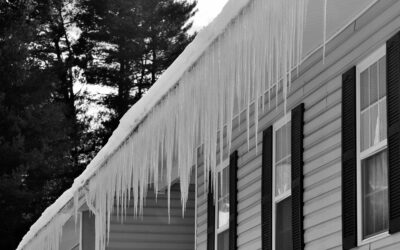
- Ice dams forming along roof edges in winter.
- Mold or mildew on attic rafters.
- Peeling paint or warped wood inside the house.
- Higher-than-usual energy bills.
These issues may indicate that your current roof box vents aren’t sufficient, or intake vents are lacking.
Long-Term Benefits of Roof Box Vents
When installed and maintained properly, roof box vents offer several long-term benefits:
- Longer roof life by reducing heat and moisture stress.
- Improved indoor comfort with stable temperatures.
- Lower utility bills through better energy efficiency.
- Reduced risk of mold and structural damage.
- Low-cost installation compared to other vent systems.
Are Roof Box Vents Right for You?
Roof box vents are an excellent option for many homeowners. They’re affordable, effective when paired with intake vents, and simple to maintain. However, for those wanting the most uniform ventilation, ridge vents may be a better long-term investment.
The right choice depends on your attic size, roof design, and budget. Consulting with a roofing professional can ensure you select the best ventilation strategy for your home.
Conclusion
Proper ventilation is one of the keys to a healthy roof and a comfortable home. Roof box vents provide a practical, cost-effective way to improve airflow in the attic, helping to control heat, reduce moisture, and extend roof lifespan. While they may not be as seamless or efficient as ridge vents, their affordability and reliability make them a solid choice for many homeowners.
By calculating your attic’s needs, ensuring proper placement, and balancing intake and exhaust, roof box vents can deliver years of protection and comfort with minimal maintenance. 440-235-3124