(440) 307-2060
Understanding the Roof Claim Process: A Complete Homeowner’s Guide
Filing an insurance claim for roof damage can feel overwhelming, especially after a storm or unexpected incident. The roof claim process involves multiple steps, from documenting the damage to working with your insurance company and scheduling repairs. Homeowners who understand this process ahead of time are often better prepared, avoid unnecessary delays, and improve their chances of getting fair coverage.
This comprehensive guide walks through everything you need to know about roof claims, including when to file, how to document damage, what insurance adjusters look for, and how to manage repairs.
Why the Roof Claim Process Matters
Your roof is one of the most important parts of your home. It shields against wind, rain, snow, hail, and sun, but it can also be one of the costliest parts to repair or replace. Insurance coverage is designed to help, but if you don’t understand the process, you could miss out on benefits you’re entitled to.
The roof claim process ensures:
- Damage is properly documented.
- The insurance company verifies the loss.
- Repairs or replacement are scheduled quickly.
- Homeowners receive financial support for covered damage.
Common Reasons Homeowners File Roof Claims
Not every roofing issue qualifies for insurance coverage, but many do. Here are some of the most common reasons homeowners enter the roof claim process:
- Hail Damage – Can cause dents, cracks, and granule loss on shingles.
- Wind Damage – May tear off shingles, loosen flashing, or lift entire roof sections.
- Fallen Trees or Branches – Impact damage can puncture roofs or break structural supports.
- Storm Damage – Heavy rains and strong winds can create leaks.
- Fire Damage – Smoke, fire, and water from firefighting efforts can all impact roofing.
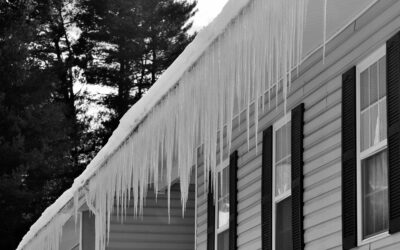
- Weight of Snow or Ice – Excessive loads can cause sagging or collapse.
Insurance typically covers sudden and accidental damage but excludes wear and tear, neglect, or improper installation.
Step 1: Identifying Roof Damage
The first step in the roof claim process is recognizing whether your roof has sustained damage. After a major storm or event, inspect your property for:
- Missing or curled shingles.
- Granules from shingles collecting in gutters.
- Dented flashing or vents.
- Water stains on ceilings or attic walls.
- Sagging rooflines.
If it’s safe, you can do a ground-level inspection with binoculars. For a more detailed check, consider hiring a professional roofing contractor.
Step 2: Documenting the Damage
Documentation is critical to a successful claim. The more evidence you provide, the easier it is to support your case with the insurance company.
Best practices for documentation:
- Take clear photos of damaged areas.
- Record close-up and wide-angle shots.
- Note the date of the storm or event.
- Keep receipts for emergency repairs (such as tarping or boarding up).
- Create a written record of what happened and when.
This evidence serves as proof for your insurer and helps the adjuster confirm the extent of the damage.
Step 3: Reviewing Your Insurance Policy
Before filing, carefully review your homeowners insurance policy. Key areas to understand include:
- Coverage Type: Does your policy cover actual cash value (ACV) or replacement cost value (RCV)?
- Deductible Amount: How much you’ll pay out of pocket before coverage begins.
- Exclusions: Common exclusions include age-related wear or pre-existing damage.
- Claim Filing Time Limit: Most insurers require claims within a certain period after the incident.
Understanding your policy helps you set realistic expectations for what’s covered.
Step 4: Filing the Claim
Once you have evidence and understand your coverage, contact your insurance company to initiate the roof claim process. Provide them with:
- The date of loss.
- A description of what happened.
- Photos and supporting documents.
- Any emergency repair receipts.
Most insurance companies allow claims by phone, online, or through a mobile app. After submission, you’ll be assigned a claim number and an insurance adjuster.
Step 5: Meeting the Insurance Adjuster
The adjuster plays a central role in the roof claim process. They are responsible for inspecting the roof, verifying the damage, and determining coverage.
Tips for working with adjusters:
- Be present during the inspection if possible.
- Share your photos and records.
- Point out areas of concern.
- Consider having a roofing contractor present to advocate for you.
Adjusters will typically climb onto the roof, check for storm-related damage, and compare it to normal wear and tear. Their report will directly influence whether your claim is approved.
Step 6: Claim Approval or Denial
After the adjuster’s inspection, the insurance company will review the findings and issue a decision.
- Approval: You’ll receive a settlement offer outlining the payment for repairs or replacement (minus your deductible).
- Partial Approval: The insurer covers some but not all of the damage.
- Denial: The insurer may claim the damage is due to age, lack of maintenance, or an uncovered event.
If denied, you can appeal the decision, request a re-inspection, or bring in an independent adjuster.
Step 7: Hiring a Roofing Contractor
Once approved, the next step in the roof claim process is selecting a contractor to perform the work.
Tips for choosing the right contractor:
- Verify licensing and insurance.
- Request detailed written estimates.
- Ask about experience with insurance work.
- Get references from past clients.
Some contractors will work directly with insurance companies to handle paperwork and billing.
Step 8: Completing the Repairs
Repairs or replacement typically involve:
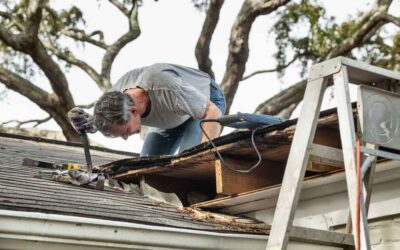
- Removing damaged shingles and underlayment.
- Inspecting and repairing roof decking.
- Installing new shingles, flashing, and vents.
- Cleaning up debris after the job is finished.
Keep all invoices and receipts, as your insurance company may require proof that work was completed before releasing final payments.
Step 9: Finalizing the Claim
Many policies release payment in stages:
- Initial Payment: After claim approval, you receive part of the funds.
- Final Payment: After the contractor completes work and submits proof, the insurer releases the balance.
Always confirm that payments match your contractor’s invoices.
Challenges in the Roof Claim Process
The process doesn’t always go smoothly. Common challenges include:
- Claim Delays: Adjusters may be overwhelmed after large storms.
- Disputes Over Damage: Insurers may argue damage is cosmetic or due to aging.
- Low Payouts: Settlement offers may not cover full replacement costs.
- Paperwork Confusion: Missing documents can stall progress.
Tips to Improve Your Chances of a Successful Claim
- Act Quickly: File the claim as soon as possible.
- Stay Organized: Keep records, photos, and correspondence together.
- Hire a Professional: Contractors and public adjusters can help advocate for you.
- Be Persistent: Don’t accept an unfair denial without appealing.
- Communicate Clearly: Always provide accurate information to your insurer.
Preventive Measures Before You Need a Claim
While no roof is immune to damage, preventive care can help you avoid or minimize claims:
- Schedule regular roof inspections.
- Maintain gutters and drainage systems.
- Trim overhanging tree branches.
- Check and replace damaged flashing or shingles promptly.
- Keep your policy updated with accurate coverage.
Roof Claim Process FAQs
1. How long does the roof claim process take?
Anywhere from a few weeks to several months, depending on damage severity and insurance response times.
2. Do I have to use the contractor my insurance company recommends?
No. You can select your own contractor, though insurers may provide suggestions.
3. Will my insurance rates go up after filing a roof claim?
It depends on the insurer and circumstances. Weather-related claims often affect rates less than negligence-related ones.
4. Can I do repairs myself and still file a claim?
Insurance generally requires professional repairs for coverage to apply.
5. What if my claim is denied?
You can appeal, request a re-inspection, or hire an independent adjuster to support your case.
Conclusion
The roof claim process may seem complicated, but breaking it down into clear steps makes it more manageable. From documenting damage to working with adjusters and contractors, being proactive and organized can significantly improve your chances of a successful outcome. While every claim is unique, homeowners who prepare in advance, understand their policies, and keep thorough records are far more likely to get the coverage they need. 440-235-3124