(440) 307-2060
Roof Leakage Solution: Complete Guide to Fixing and Preventing Roof Leaks
Dealing with a leaking roof is one of the most frustrating problems a homeowner or building owner can face. A water stain on the ceiling or water dripping inside the house is often just the tip of the iceberg. Moisture can cause hidden damage to insulation, electrical systems, walls, and even structural components. That’s why understanding the right roof leakage solution is so important. Addressing leaks quickly and effectively not only protects your home but also prevents expensive long-term repairs.
This comprehensive guide explores what causes roof leaks, how to spot the warning signs, effective repair methods, and long-term prevention strategies. By the end, you’ll know the best approaches for handling roof leaks whether you want a temporary fix or a lasting solution.
Why Roof Leaks Are a Serious Problem
Water is one of the most destructive forces in any building. Even a small leak can lead to:
- Structural damage – water weakens wood, corrodes metal, and deteriorates masonry.
- Mold growth – damp conditions promote dangerous mold and mildew.
- Insulation damage – wet insulation loses its ability to regulate temperature.
- Electrical hazards – water near wiring can cause shorts or fire risks.
- Interior damage – ceilings, walls, and floors may stain, warp, or rot.
What seems like a minor inconvenience can quickly spiral into thousands of dollars in damage. That’s why finding a roof leakage solution should always be a priority.
Common Causes of Roof Leaks
Understanding what causes leaks is the first step toward solving them. Here are the most frequent culprits:
1. Damaged or Missing Shingles
Shingles protect the roof deck from rain. If they are cracked, curled, or missing, water can seep into the underlying layers.
2. Worn Flashing
Flashing is the thin metal installed around roof joints, chimneys, skylights, and vents. If flashing rusts, bends, or loosens, leaks are almost guaranteed.
3. Poorly Sealed Valleys
Where two roof slopes meet, water naturally flows downward. If valleys are not properly sealed, water can penetrate the roof system.
4. Clogged Gutters
Blocked gutters cause water to back up, overflow, and seep beneath roofing materials.
5. Roof Age
Older roofs naturally deteriorate. Materials dry out, crack, and lose their waterproofing over time.
6. Skylight and Vent Leaks
Poorly installed or aging skylights and vents often leak where the frame meets the roof surface.
7. Ponding Water on Flat Roofs
Flat or low-slope roofs may develop puddles. Over time, standing water breaks down roofing materials and creates entry points.
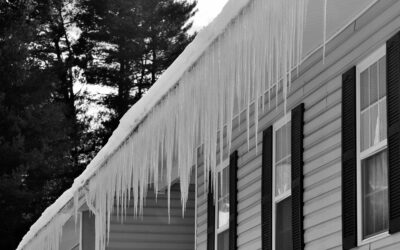
8. Ice Dams
In cold climates, melting snow refreezes at roof edges, forcing water back under shingles.
Signs You Need a Roof Leakage Solution
Sometimes leaks are obvious, but often they develop quietly before you see water dripping inside. Watch for these signs:
- Water stains on ceilings or walls.
- Peeling paint or bubbling plaster.
- Damp or musty odors indoors.
- Mold spots on walls, ceilings, or attic insulation.
- Sagging drywall.
- Damaged or rotting fascia and soffits.
- Missing shingles or cracked flashing visible from outside.
Catching these signs early can save thousands in repair costs.
Temporary Roof Leakage Solutions
When water is dripping into your home, you may need an immediate temporary fix until professionals arrive. Some short-term solutions include:
- Tarping the Roof – Stretch a heavy waterproof tarp over the affected area to block rain.
- Roofing Cement – Apply roofing cement or sealant to cracks or holes.
- Temporary Patching Tape – Specialized waterproof tapes can cover small leaks.
- Bucket Placement – Place containers under leaks indoors to prevent interior damage.
- Clearing Gutters – Sometimes simply unclogging gutters reduces the source of the leak.
These are not permanent fixes but can protect your home until a long-term solution is in place.
Permanent Roof Leakage Solutions
Addressing leaks properly often requires professional repair or replacement. Here are the most reliable long-term methods:
1. Shingle Replacement
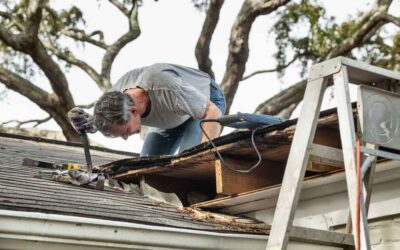
Damaged or missing shingles can be replaced individually. This restores the protective surface and stops water infiltration.
2. Flashing Repair or Replacement
Old or corroded flashing should be replaced with new metal flashing sealed tightly at joints.
3. Valley Resealing
Roofing cement, underlayment, and shingles can be reapplied to leaking valleys.
4. Skylight and Vent Resealing
Replacing worn seals or reinstalling flashing around skylights and vents stops leaks in those areas.
5. Roof Membrane Repair (Flat Roofs)
For flat roofs, damaged sections of EPDM, TPO, or PVC membranes can be patched or heat-welded.
6. Gutter Replacement or Repair
If clogged or broken gutters cause water to back up, replacement ensures proper drainage.
7. Full Roof Replacement
If a roof is old or extensively damaged, full replacement is the most effective roof leakage solution.
Roof Leakage Solutions for Different Roof Types
Different roof styles need different solutions:
- Asphalt Shingle Roofs: Replace damaged shingles, reseal valleys, and repair flashing.
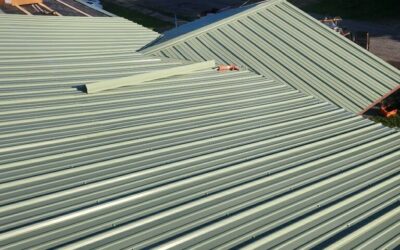
- Metal Roofs: Fix loose fasteners, recoat surfaces, and replace corroded panels.
- Tile Roofs: Replace cracked or broken tiles, ensure underlayment is intact.
- Flat Roofs: Repair or replace membranes, improve drainage with tapered insulation.
- Wood Shake Roofs: Replace split shakes and treat for rot or insect damage.
Preventive Measures: Stopping Leaks Before They Start
The best roof leakage solution is prevention. Regular maintenance greatly reduces leak risks:
- Regular Inspections – Have your roof inspected twice a year, especially after storms.
- Clean Gutters – Keep gutters free of debris so water drains properly.
- Trim Overhanging Trees – Branches can scrape shingles and deposit leaves.
- Check Attic Ventilation – Proper airflow prevents moisture buildup and ice dams.
- Seal Roof Penetrations – Inspect around chimneys, skylights, and vents for gaps.
- Apply Protective Coatings – For flat and metal roofs, coatings extend lifespan.
Costs of Roof Leakage Solutions
The cost depends on the severity of the leak and the type of repair needed:
- Shingle Replacement: $150–$500 per small section.
- Flashing Repair: $300–$1,000 depending on location.
- Skylight Leak Repair: $400–$1,200.
- Flat Roof Membrane Patch: $350–$1,000.
- Full Roof Replacement: $7,000–$20,000+ depending on size and material.
While repairs may seem expensive, delaying often results in higher costs due to structural damage.
DIY vs. Professional Roof Leakage Solutions
Some homeowners attempt DIY repairs, but roofing work can be dangerous and complex.
- DIY Solutions Work Best For:
- Clearing gutters.
- Applying temporary sealant.
- Replacing a few missing shingles.
- Professional Solutions Are Needed For:
- Persistent or widespread leaks.
- Roofs with steep slopes.
- Full replacements.
- Structural or flashing repairs.
Hiring professionals ensures leaks are fixed correctly and safely.
How Weather Affects Leaks
Weather plays a major role in roof leaks.
- Heavy Rain: Overwhelms weak spots.
- Wind: Lifts shingles and flashing.
- Snow and Ice: Creates ice dams that push water under shingles.
- Hail: Cracks shingles and dents metal.
- Sun Exposure: UV rays dry out roofing materials over time.
Understanding your local climate helps determine the best roof leakage solutions.
Case Studies: Roof Leakage Solutions in Action
Case 1: Shingle Roof in Florida
A family noticed water stains after a hurricane. Inspection revealed missing shingles and torn underlayment. The solution was to replace damaged shingles and install new flashing.
Case 2: Flat Roof in Chicago
A commercial building had ponding water causing leaks inside. Contractors installed tapered insulation to improve drainage and patched the EPDM membrane.
Case 3: Metal Roof in Texas
Rusting seams caused leaks during storms. The roof was recoated with an elastomeric coating, sealing leaks and extending lifespan by 15 years.
Long-Term Benefits of Fixing Leaks Properly
A proper roof leakage solution doesn’t just stop water today—it provides:
- Peace of Mind: No more worrying about the next storm.
- Better Energy Efficiency: Dry insulation works effectively.
- Increased Home Value: Buyers appreciate a well-maintained roof.
- Health Protection: Reduces mold and indoor air quality issues.
- Extended Roof Life: Prevents premature deterioration.
Final Thoughts
Every homeowner or building manager will face a roof leak at some point. What matters is how quickly and effectively you act. A roof leakage solution may be as simple as replacing a few shingles or as complex as installing a whole new roof. What’s most important is addressing leaks promptly to avoid structural damage, mold, and costly repairs.
Regular maintenance, professional inspections, and preventive strategies go a long way toward keeping your roof watertight for decades. When in doubt, consult a roofing professional to ensure your leak is fixed the right way the first time.440-235-3124