(440) 307-2060
Roof Membrane Types: A Complete Guide for Homeowners and Builders
When planning a roofing project, one of the most important choices is the material that keeps water out of the structure. While shingles, tiles, or panels are what we see from the outside, the hidden barrier underneath is equally important. This is where roof membrane types come in. Roof membranes provide a watertight seal, ensuring that moisture, wind, and weather cannot penetrate into the structure beneath. Understanding the different roof membrane types helps homeowners, contractors, and building managers make smart choices for durability, cost, and long-term performance.
What Is a Roof Membrane?
A roof membrane is a protective layer designed to prevent water intrusion. Typically used in flat or low-slope roofs, membranes create a continuous surface that resists leaks and directs water toward drainage systems. Unlike shingles, which rely on overlapping pieces, roof membranes provide one seamless—or nearly seamless—barrier against water.
These membranes can be made of synthetic rubber, thermoplastics, modified bitumen, or even liquid-applied coatings. Each option has distinct strengths, weaknesses, and ideal applications.
Why Roof Membrane Types Matter
Choosing the right roof membrane type can make or break a roofing system’s performance. Here’s why they matter:
- Waterproofing – Membranes provide the first line of defense against leaks.
- Durability – They protect against UV radiation, temperature swings, and foot traffic.
- Energy Efficiency – Reflective membranes reduce cooling costs in hot climates.
- Low Maintenance – Compared to traditional shingles or tar systems, membranes often require fewer repairs.
- Versatility – Different membrane types work for residential, commercial, or industrial applications.
The Main Roof Membrane Types
Several roof membrane types are used in modern construction. Let’s break down the most common options.
1. EPDM (Ethylene Propylene Diene Monomer) Rubber Membrane
- What It Is: A synthetic rubber roofing membrane, usually installed in large sheets.
- Strengths:
- Highly durable, lasting 25–30 years or more.
- Resistant to ozone, UV rays, and extreme temperatures.
- Flexible, making it good for roofs with movement or shifting.
- Weaknesses:
- Standard black EPDM absorbs heat, which may increase cooling costs.
- Vulnerable to punctures from sharp objects.
- Best Use: Low-slope residential and commercial roofs where durability is essential.
2. TPO (Thermoplastic Polyolefin) Membrane
- What It Is: A single-ply thermoplastic membrane known for energy efficiency.
- Strengths:
- White reflective surface lowers cooling costs.
- Strong seams that are heat-welded rather than glued.
- Resistant to mold, dirt, and punctures.
- Weaknesses:
- Relatively new, so long-term performance studies are limited compared to EPDM.
- Quality can vary depending on manufacturer.
- Best Use: Commercial and residential buildings in warm or sunny climates.
3. PVC (Polyvinyl Chloride) Membrane
- What It Is: A thermoplastic membrane similar to TPO but older and proven.
- Strengths:
- Strong seams that are heat-welded.
- Excellent resistance to chemicals, grease, and industrial pollutants.
- Long lifespan, often 30 years or more.
- Weaknesses:
- More expensive than TPO or EPDM.
- Can shrink over time if not installed correctly.
- Best Use: Restaurants, factories, or buildings where chemical resistance is needed.
4. Modified Bitumen Membrane
- What It Is: An evolution of traditional built-up roofing (BUR) with asphalt layers modified by rubber or plastic.
- Strengths:
- Proven waterproofing ability.
- Can be installed with heat, cold adhesives, or self-adhesive sheets.
- Multiple layers increase durability.
- Weaknesses:
- Heavier than single-ply membranes.
- More labor-intensive installation.
- Best Use: Flat roofs where traditional asphalt roofing was used, but modern performance is needed.
5. Built-Up Roofing (BUR)
- What It Is: One of the oldest roof membrane systems, made of alternating layers of asphalt and fabric topped with gravel.
- Strengths:
- Extremely durable with multiple protective layers.
- Excellent resistance to water penetration.
- Long history of proven performance.
- Weaknesses:
- Heavy, requiring strong roof support.
- Labor-intensive to install.
- Best Use: Large commercial buildings with flat roofs.
6. Liquid-Applied Membranes
- What It Is: Coatings applied as a liquid that cure into a seamless waterproof layer. Materials may include acrylics, silicones, or polyurethanes.
- Strengths:
- Seamless application reduces leak risk.
- Can be applied over existing roofs, saving tear-off costs.
- Flexible and can conform to irregular shapes.
- Weaknesses:
- Lifespan varies depending on product quality.
- Application conditions must be ideal for curing.
- Best Use: Roof restoration projects or irregularly shaped roofs.
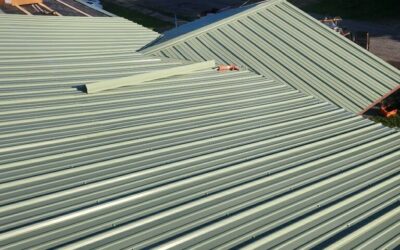
7. Metal Roof Membranes (with Underlayments)
While not membranes in the traditional sense, some modern metal roofing systems use integrated membrane-like layers to provide waterproofing beneath panels. These hybrid systems combine the longevity of metal with added moisture protection.
Comparing Roof Membrane Types
| Membrane Type | Lifespan | Cost (per sq. ft.) | Best For | Weaknesses |
|---|---|---|---|---|
| EPDM Rubber | 25–30 years | $4–$8 | Durability, cold climates | Heat absorption, punctures |
| TPO | 20–25 years | $5–$8 | Energy efficiency, sunny climates | Quality variation |
| PVC | 25–30+ years | $6–$10 | Chemical resistance | Higher cost |
| Modified Bitumen | 20–30 years | $4–$7 | Traditional flat roofs | Heavy, labor-intensive |
| BUR | 30+ years | $5–$9 | Large commercial roofs | Very heavy, costly labor |
| Liquid-Applied | 10–20 years | $3–$6 | Restorations, odd shapes | Shorter lifespan |
Installation Methods of Roof Membrane Types
Each roof membrane type has its own installation process:
- EPDM – Adhered with glue, mechanically fastened, or ballasted with stones.
- TPO & PVC – Heat-welded seams provide strength and waterproofing.
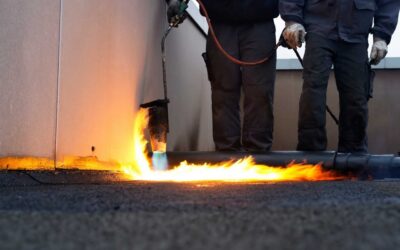
- Modified Bitumen – Applied with torches, cold adhesive, or peel-and-stick.
- BUR – Layered asphalt and felt applied hot, topped with gravel.
- Liquid-Applied – Rolled, sprayed, or brushed directly onto surface.
Proper installation is key to longevity. Poor workmanship can shorten lifespan drastically, regardless of material quality.
Lifespan and Maintenance of Roof Membrane Types
Different roof membrane types last different lengths of time depending on climate, maintenance, and installation quality.
- EPDM: 25–30 years, requires periodic inspection for punctures.
- TPO: 20–25 years, seams must remain intact.
- PVC: 25–30+ years, holds up well with minimal maintenance.
- Modified Bitumen: 20–30 years, cracks can occur if poorly maintained.
- BUR: 30+ years, heavy but extremely durable.
- Liquid-Applied: 10–20 years, recoating extends lifespan.
Factors to Consider When Choosing a Roof Membrane
- Climate – Hot, sunny climates benefit from reflective TPO or PVC, while colder climates may favor EPDM.
- Budget – Some membranes cost more upfront but save money over decades.
- Building Use – Commercial kitchens need chemical-resistant PVC, while warehouses may need BUR durability.
- Roof Slope – Flat roofs require seamless membranes, while slightly sloped roofs have more flexibility.
- Longevity Goals – A 10-year solution is different from a 40-year investment.
Environmental Considerations
Sustainability is an increasing factor in roofing.
- EPDM: Recyclable but black color absorbs heat.
- TPO: Reflective, energy-efficient, recyclable.
- PVC: Long lifespan but environmental concerns with chlorine-based plastics.
- BUR: Asphalt-based, less eco-friendly.
- Liquid-Applied: Some low-VOC versions available.
Many manufacturers now offer environmentally friendly versions of traditional products.
Energy Efficiency and Roof Membrane Types
White and reflective roof membranes like TPO and PVC significantly reduce cooling loads in hot climates. In contrast, black EPDM absorbs heat, which may be beneficial in cold regions by lowering heating costs. Modified bitumen and BUR can be paired with reflective coatings to improve energy efficiency.
Common Problems with Roof Membrane Types
- Seam Failures – Especially in glued membranes like EPDM.
- Punctures – Foot traffic or falling debris can damage rubber or plastic membranes.
- Shrinkage – PVC may shrink if not installed properly.
- Blistering – Moisture trapped under modified bitumen can create bubbles.
- Cracking – Asphalt-based systems may crack over decades.
Maintenance Tips
- Inspect twice yearly, especially after storms.
- Keep drains and scuppers clear to prevent ponding water.
- Use walkway pads where frequent foot traffic occurs.
- Recoat liquid-applied membranes as recommended.
- Address small punctures quickly before they expand.
Future Innovations in Roof Membrane Types
Roof membrane technology continues to evolve:
- Cool Roof Coatings – Improving reflectivity and lowering urban heat island effects.
- Self-Healing Membranes – Materials designed to seal small punctures automatically.
- Green Roof Compatibility – Membranes that integrate with soil and plants for eco-friendly roofing.
- Advanced Recyclables – Fully recyclable thermoplastics to reduce waste.
Final Thoughts
Understanding roof membrane types is essential for making the right choice when repairing, replacing, or building a roof. Each type—from EPDM and TPO to PVC, BUR, modified bitumen, and liquid-applied coatings—offers unique benefits for different climates, budgets, and building uses. While some prioritize energy efficiency and lightweight installation, others focus on extreme durability and chemical resistance.
No matter which system is chosen, proper installation and regular maintenance are key. A roof is only as strong as its weakest seam, and with the right roof membrane type, homeowners and businesses can enjoy decades of protection, comfort, and reliability. 440-235-3124