(440) 307-2060

🏡 Introduction: Why Metal Roofing Matters
Metal roofing delivers unmatched longevity, durability, and eco-friendliness, making it a premium choice for modern homeowners and builders alike. As homeowners increasingly search terms like “metal roof cost“, “metal roof styles”, and “standing seam roofing”, this guide provides comprehensive answers—from materials and profiles to installation best practices, design flexibility, and lifecycle value.
1. Understanding Metal Roofing: Materials & Styles (≈600 words)
A. Common Metal Types
- Steel: Popular and affordable, available in galvanised, galvalume, or stone-coated steel. Offers excellent strength, impact resistance, and corrosion protection when well coated. Lasts 40–75 years. (metalcon.com)
- Aluminum: Lightweight, rustproof—ideal for coastal or humid regions. Reflects heat, aiding energy efficiency (~20 % cooling savings). Lifespan 40–50 years. (Architectural Digest)
- Copper: High-end, decorative roofing. Copper ages to a rich, corrosion-resistant patina over decades. Lifespan well over 100 years. (New England Metal Roofing)
- Zinc: Eco-friendly and self-healing, zinc weathers to a stable gray finish. Durable up to 100 years, though often pricier than steel. (Architectural Digest)
- Stone-Coated Steel / Metal Shingles: Mimic traditional shingle or tile aesthetics while leveraging metal’s durability and resistance. Great for style-conscious homeowners wanting low maintenance. (GreenTek Roofing & Solar)
- Tin (less common today): Lightweight and rust-resistant, used in specialized or vintage-style applications. (New England Metal Roofing, Architectural Digest)
B. Roofing Panel Profiles & Styles
Modern metal roof systems come in various profiles for aesthetics and performance:
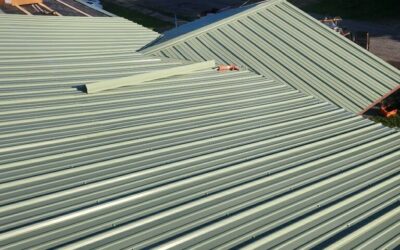
- Standing Seam (Snap‑lock, Mechanical‑seam, T‑panel): A concealed-fastener option delivering clean lines, high wind resistance, and minimal oil-canning thanks to vertical ribs. (Chase Roofing)
- Corrugated Panels: Economical, exposed-fastener panels offering a rustic or utilitarian look. Often seen in agricultural or industrial settings. (GreenTek Roofing & Solar)
- Metal Shingles & Tiles: Blend architectural charm with metal’s strength, available in slate, shake, or tile appearances. Frequently made from steel or aluminum. (GreenTek Roofing & Solar)
- Proprietary Profiles: Brands offer unique profiles like board‑batten or trapezoidal shapes for custom aesthetics or specific structural performance. (metalcon.com, Pro Roofing America)
2. Key Benefits of Roofing Metal (≈600 words)
✔️ Exceptional Durability & Longevity
Metal roofs can last 40–100+ years depending on material. Copper and zinc can last centuries; steel delivers decades of service with minimal upkeep. (manseametal.com, Wikipedia, EcoWatch)
✔️ Energy Efficiency & Insulation Benefits
Reflective metal surfaces reduce solar heat absorption—cutting cooling costs by 20–40%. Some color-coated panels even meet ENERGY STAR and Cool Roof standards. (nearmeroofingcompany.com)
✔️ Fire & Weather Resistance
Metal roofing is non-combustible (Class A fire rating) and withstands wind, impact, hail, snow, and rain better than most other roofing types. Insurance discounts are often available. (manseametal.com)
✔️ Eco-Friendly & Recyclable
Made from recycled metals and 100% recyclable at end of life. Fewer roof replacements = less landfill waste. (Wikipedia, EcoWatch, nearmeroofingcompany.com)
✔️ Aesthetic & Architectural Flexibility
From sleek standing seam to rustic corrugated or faux-shingle styles, metal offers versatility across architectural styles. Powder-coat finishes come in broad color ranges. (Sheffield Metals)
✔️ Low Maintenance & Minimal Repairs
Exposed fastener systems may require occasional resealing; seam systems need little intervention over time. Rust, paint fading, and loose fasteners are rare if installed correctly. (Sheffield Metals)
3. Drawbacks & Considerations (≈400 words)
⚠️ Higher Upfront Cost
Metal roofing costs more than asphalt shingles—often double or more. However, it’s still less expensive than slate or clay tile. Long-term savings and warranties offset the investment. (Architectural Digest, The Spruce, rayproroofing.com)
⚠️ Noise Concerns
Rain or hail noise is louder on metal roofs without insulation. However, this issue is minimal in most modern installations (and seldom a homeowner complaint over time). (The Spruce, Reddit)
⚠️ Dents & Scratches
Aluminum and steel can dent from hail, debris, or tree branches. Though steel is stronger, aluminum is softer and more dent-prone. Copper and zinc resist denting more effectively. (Architectural Digest)
⚠️ Expansion & Contraction
Metal expands and contracts with temperature swings. Proper clip-based fastening and seam design (especially on standing seam systems) manage this effectively. Exposed fastener systems must allow for movement. (Wikipedia, EcoWatch)
⚠️ Safety & Slip Risks
Metal roofs can be slippery—especially when wet or snowy. Professionals recommend safety gear for DIY access. Installing snow guards helps manage snow slide risk. (The Spruce, This Old House)
4. Installation Best Practices (≈400 words)
✔️ Select the Right Roofing Contractor
Proper installation by experienced professionals is key. Standing seam and copper installations require precision to avoid leaks and thermal movement issues.
✔️ Underlayments & Ventilation
Use quality underlayment such as synthetic housewrap or ice/water barrier. Proper attic ventilation above the deck can extend roof life and improve energy performance.
✔️ Fastening Systems
- Standing seam uses concealed clips allowing thermal movement.
- Exposed fastener panels require corrosion-resistant screws with neoprene washers.
Ensure fasteners are installed straight and at recommended torque.
✔️ Trim & Flashings
Match the roofing material (e.g., copper trim with copper roof) to avoid galvanic corrosion. Flashings around chimneys, valleys, and edges must be watertight and compatible with expansion allowances.
✔️ Panel Layout & Sequencing
Install panels from the bottom up, stagger joints for aesthetics and structural integrity. Overlaps and joint tolerances vary by panel profile—refer to manufacturer specs.
5. Maintenance & Inspection Tips (≈300 words)
🔍 Annual Inspection Schedule
Check the roof in spring/fall:
- Loose fasteners or seal washers
- Scratched paint or exposed substrate
- Sealant at seams, flashings, and penetrations
- Debris accumulation, water pooling, or corrosion
🧼 Cleaning & Repair
Pressure-wash lightly on low setting or soft wash non-abrasive cleaner. Rinse off leaves, moss, or dirt. Promptly reseal scratches using touch-up paint.
💬 Handling Damage & Recoating
Minor dents or scratches can be repaired patch-wise. For faded or chipped paint, some systems allow re-coating under warranty. For copper and zinc, patina change is part of aesthetic aging and doesn’t need repair.
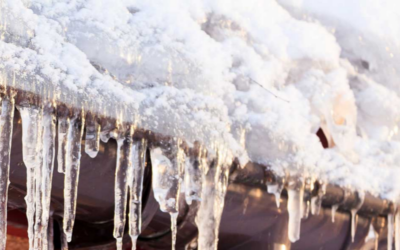
⚠️ Snow & Ice Management
Install snow guards if you live in snowy climates. They prevent rapid snow shedding or gutters from damage. Ensure no hidden ice dams form under panels.
6. Cost, ROI & Buying Guide (≈400 words)
💵 Cost Overview
- Steel exposed fastener: ~$8–$12/sq ft
- Standing seam: ~$10–$15/sq ft
- Copper or zinc: $14–$25/sq ft or more depending on thickness and detailing
Pricing varies by region, roof complexity, and gauge of metal. (New Tech Machinery, This Old House)
📈 ROI Considerations
- Long-term lifespan minimizes replacement costs
- Energy savings reduce utility bills (up to 40%)
- Insurance discounts often apply for wind and fire resistance
- Enhanced curb appeal and resale value
- Sustainability features (recyclability) further support investment (Wikipedia, nearmeroofingcompany.com)
✅ Selection Tips
- Match material to climate and budget: aluminum for rust-prone areas, copper for luxury homes
- Choose panel profile based on wind load, pitch, and aesthetics
- Request warranty details—paint finishes often carry 30–50 year warranties
- Ask about insurance discounts or local rebates for energy-efficient upgrades
7. SEO Strategy & Keywords Guide (≈200 words)
To maximize SEO impact, include:
- Primary keywords: “metal roofing”, “types of metal roof”, “standing seam roof”, “steel roof cost”
- Long-tail phrases: “benefits of metal roofing”, “aluminum vs steel roof”, “copper roof lifespan”
- FAQ implementation: Use question-based headers like “What is the lifespan of a metal roof?” for snippet potential
- Image alt-text: e.g. “Standing seam metal roof panel rib profiles”, “Stone-coated steel tile metal roof”
- Internal links: Link to blogs on insulation, roof maintenance, energy efficiency, and flashing guides
- External links: Cite authoritative sources like building code references or EPA cool roof programs
8. FAQs (≈300 words)
Q1: How long does a metal roof last?
Metal roofs can last anywhere between 40 and 100+ years depending on material: steel ~40–75 years; aluminum ~50 years; copper and zinc may last over 100 years.(New England Metal Roofing)
Q2: Is metal roofing noisy during rain?
Modern installation methods with solid sheathing and insulation greatly reduce noise. Most homeowners aren’t bothered by rain noise unless the roof is thin and uncovered.(The Spruce, Reddit)
Q3: Will a metal roof dent?
Steel is dent-resistant, but aluminum is more prone to hail or impact dents. Copper and zinc scratch less and self-heal minor marks over time.(metalcon.com)
Q4: Can I install metal over existing shingles?
Yes—provided local code allows. It’s common to layer corrugated or standing seam panels over old roofing, reducing tear-off waste and speeding up installation.(The Spruce, New England Metal Roofing)
Q5: Are metal roofs eco-friendly?
Absolutely. Metal roofs are typically made from recycled content and are fully recyclable at the end-of-life. Their energy-efficiency and long service life reduce environmental footprints.(Wikipedia)
✅ Conclusion: Why Metal Roofing Deserves Your Attention
Metal roofing combines outstanding durability, energy efficiency, low maintenance, and modern aesthetics into a sustainable roofing choice suitable for a wide range of climates and architectural styles. Although it comes with a higher initial price tag than asphalt, the lifetime value—through longevity, energy savings, insurance discounts, and increased home value—often results in a stronger long-term return.
Whether you’re a homeowner planning a roof upgrade, a builder evaluating material options, or a contractor seeking authoritative content, metal roofing represents a premium solution built to perform for decades.
Need help writing internal linking strategies, meta descriptions, or local landing pages to repurpose this content for your business or site? Happy to assist!