(440) 307-2060
Roof Penetrations: Everything Homeowners Need to Know
When it comes to protecting your home, your roof is your first line of defense. While shingles, tiles, or metal panels may look like a solid surface, every roof actually has multiple openings that allow important systems to function properly. These openings are called roof penetrations, and they play a critical role in ventilation, plumbing, heating, and overall home efficiency.
Understanding roof penetrations is essential for every homeowner because these areas are also the most vulnerable to leaks, water damage, and structural issues. If you’ve ever had a roof leak near a vent, chimney, or skylight, chances are it started around a penetration. This guide will break down everything you need to know about roof penetrations: what they are, why they matter, common types, how to protect them, repair costs, and long-term maintenance tips.
What Are Roof Penetrations?
Roof penetrations are any openings or holes in a roof’s surface that allow pipes, vents, ducts, chimneys, or other components to pass through. They’re necessary for ventilation, plumbing, HVAC systems, and even natural light (like skylights).
Without roof penetrations, your home couldn’t “breathe.” Air would get trapped, plumbing systems wouldn’t drain properly, and fireplaces couldn’t vent smoke. But since penetrations break the continuous surface of the roof, they create natural weak points that must be sealed and maintained carefully.
Common Types of Roof Penetrations
Let’s look at the most common roof penetrations you’ll find on residential homes:
1. Plumbing Vents
Plumbing systems require vent stacks that extend through the roof to allow gases to escape and maintain proper drainage. These vents are usually small pipes with a rubber or metal boot that seals the opening.
2. Chimneys
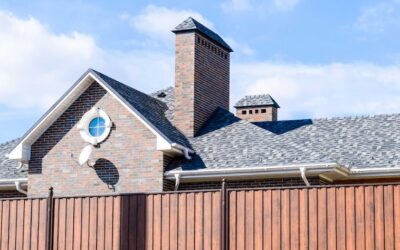
Chimneys are one of the largest roof penetrations. They require proper flashing and sealing because water can easily pool around their base.
3. Skylights
Skylights bring in natural light but are notorious for leaks if not installed or flashed correctly.
4. HVAC Penetrations
Furnaces, water heaters, and ventilation systems often require ducts that pass through the roof. These penetrations need specialized flashing to prevent leaks.
5. Exhaust Fans & Vents
Bathroom and kitchen exhaust fans often vent through the roof. If the caps or flashing degrade, they can become a leak point.
6. Solar Panel Mounts
With the rise of renewable energy, more homes now have solar panel mounts that require roof penetrations for secure attachment.
7. Satellite Dishes & Antennas
Although less common today, some roofs still have penetrations for antennas or satellite dishes.
Why Roof Penetrations Matter
Roof penetrations may seem minor, but they have a big impact on your home.
- Essential Functionality: Ventilation, plumbing, and heating wouldn’t work without them.
- Energy Efficiency: Properly sealed penetrations prevent heat loss and improve HVAC performance.
- Water Protection: Poorly sealed penetrations are the #1 cause of roof leaks.
- Longevity: Regular inspection of roof penetrations extends your roof’s life.
How Roof Penetrations Can Cause Problems
While necessary, roof penetrations are also vulnerable points. Common issues include:
- Leaking Seals – Over time, flashing and sealants deteriorate, leading to water infiltration.
- Cracked Boots – Rubber boots around plumbing vents can crack from UV exposure.
- Improper Installation – Poor workmanship during installation often leads to long-term leaks.
- Ice Dams – Snow and ice can build up around penetrations, creating leaks during thawing.
- Animal Damage – Birds, squirrels, and raccoons sometimes chew around penetrations.
Signs of Roof Penetration Issues
How can you tell if your roof penetrations are failing? Watch for these signs:
- Water stains on ceilings or walls near vents or chimneys.
- Mold or mildew in the attic.
- Damp insulation.
- Dripping sounds during rainstorms.
- Visible cracks in vent boots or flashing.
If you notice any of these, it’s time for an inspection.
Sealing and Flashing: The Key to Roof Penetration Protection
Every roof penetration requires proper flashing—a waterproof material (usually metal or rubber) that seals the gap between the penetration and roof surface. Here’s how different penetrations are sealed:
- Plumbing Vents: Rubber or silicone boots are used, with flashing integrated under shingles.
- Chimneys: Step flashing and counter flashing prevent water from seeping into mortar joints.
- Skylights: Prefabricated flashing kits ensure water flows around, not under, the window.
- HVAC Vents: Metal collars and caulking seal the gaps.
A roofer’s skill in installing and maintaining flashing often determines whether your penetrations stay leak-free.
Cost of Repairing Roof Penetrations
Repair costs vary depending on the type of penetration and extent of damage. Here’s a general breakdown:
| Roof Penetration | Common Repair | Average Cost |
|---|---|---|
| Plumbing Vent | Replace boot & reseal | $150 – $350 |
| Chimney | Reflashing or mortar repair | $500 – $2,500 |
| Skylight | Resealing or replacement | $400 – $2,000 |
| HVAC Vent | Flashing repair | $200 – $600 |
| Solar Mounts | Resealing mounts | $300 – $800 |
Preventative Maintenance for Roof Penetrations
The best way to avoid expensive repairs is proactive maintenance:
- Annual Roof Inspections – Have a roofer check penetrations once a year.
- Replace Vent Boots – Rubber boots typically last 7–10 years before cracking.
- Re-Caulk Seals – Caulk and sealants dry out over time; resealing helps prevent leaks.
- Clean Skylights – Keep flashing and weep holes clear of debris.
- Monitor After Storms – High winds or hail can damage flashing and seals.
Roof Penetrations in Different Roofing Systems
Not all roofing materials handle penetrations the same way.
- Asphalt Shingles: Easy to flash but prone to boot failure.
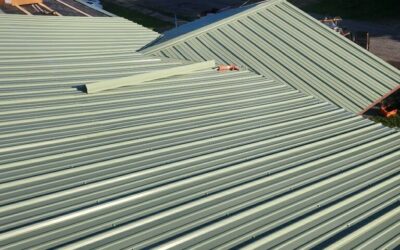
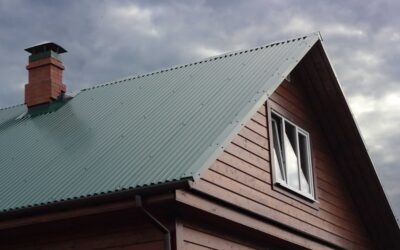
- Metal Roofs: Require specialized rubber gaskets and clamps.
- Tile Roofs: Penetrations must be carefully flashed to avoid cracking tiles.
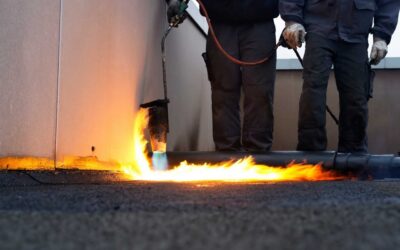
- Flat Roofs (TPO/EPDM): Penetrations need reinforced flashing membranes.
DIY vs. Professional Repairs
Some homeowners attempt DIY repairs, like caulking around a vent pipe. While this may provide a temporary fix, it often doesn’t last long. Professional roofers use proper flashing techniques that ensure long-term protection.
DIY repairs can also void roofing warranties, so weigh the risks carefully.
Energy Efficiency and Roof Penetrations
Improperly sealed penetrations don’t just cause leaks—they also waste energy. Gaps allow heated or cooled air to escape, forcing your HVAC system to work harder. Sealing penetrations properly can improve energy efficiency and lower utility bills.
Roof Penetrations and Insurance
If a storm damages flashing or boots around your penetrations, your homeowner’s insurance may cover repairs. However, normal wear and tear isn’t usually covered. Regular maintenance ensures you’re not stuck paying out-of-pocket for preventable damage.
The Future of Roof Penetrations
With growing demand for solar energy and smart home systems, the number of roof penetrations in homes is increasing. Manufacturers are developing better flashing systems and weatherproofing solutions to make penetrations more durable.
FAQs About Roof Penetrations
1. How many roof penetrations does a typical home have?
Most homes have 5–15, depending on plumbing, HVAC, and skylight installations.
2. Can roof penetrations be eliminated?
No, they’re essential for ventilation and other systems, but proper sealing minimizes risks.
3. How long do vent boots last?
Typically 7–10 years before cracking or deteriorating.
4. Do roof penetrations weaken my roof?
Not if properly sealed. A professional installation ensures penetrations don’t compromise strength.
5. What’s the best way to prevent roof leaks around penetrations?
Annual inspections, replacing worn boots, and maintaining flashing.
Conclusion
While they may look like weak spots, roof penetrations are essential for your home’s function and comfort. From plumbing vents and chimneys to skylights and solar panels, each penetration serves a purpose. The key is making sure they’re properly sealed, maintained, and inspected regularly.
Ignoring penetrations can lead to costly leaks, structural damage, and energy loss—but with proper care, they can last as long as your roof itself. Whether you’re installing a new roof, adding skylights, or upgrading to solar, always make penetrations a priority in your maintenance plan.
Your roof’s strength lies not just in the shingles or tiles, but in the protection of every opening that keeps your home safe, dry, and efficient. 440-235-3124