(440) 307-2060
Understanding the Roof Ridgeline: Complete Guide for Homeowners
When you look at a house, the roof is often one of the first features you notice. But have you ever paid attention to the very top edge of the roof? That line where two sloping roof planes meet is called the roof ridgeline, and it plays an essential role in the structure, ventilation, and overall design of your home.
In this detailed roofing guide, we’ll cover everything you need to know about roof ridgelines—what they are, how they work, why they matter, and how to maintain them. If you’ve ever wondered why your roof ridgeline is so important or whether it needs repair or replacement, this blog has the answers.
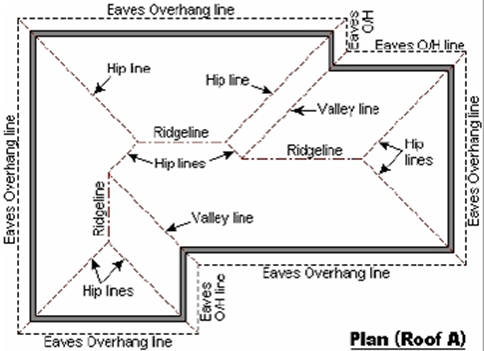
What Is a Roof Ridgeline?
The roof ridgeline is the horizontal line at the highest point of your roof where two sloping sides meet. On most gable and hip roofs, this is the most prominent feature when you view the home from the street. While the ridgeline provides aesthetic symmetry, it’s more than just a visual feature—it’s a structural and functional element of your home’s roofing system.
Key points about the roof ridgeline:
- It connects the two sloping planes of the roof.
- It helps distribute weight evenly across the structure.
- It’s often used for installing ridge vents, which provide essential attic ventilation.
- It protects the vulnerable seam at the top of your roof from water infiltration.
The Structural Importance of the Roof Ridgeline
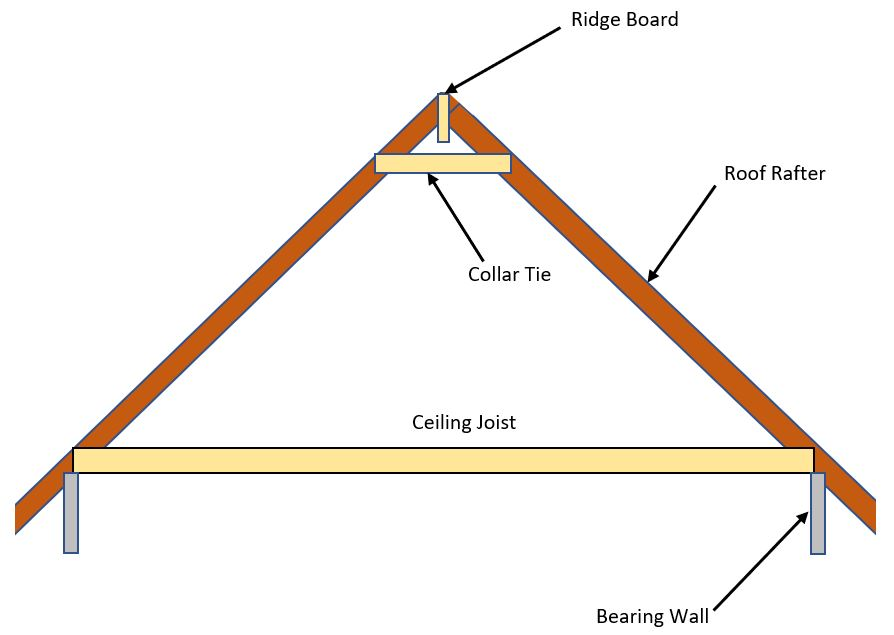
The ridgeline may look like just a line across the top, but it’s actually a critical joint. Without proper installation, your roof would be susceptible to leaks, structural weaknesses, and even collapse under heavy loads.
- Load Distribution: The ridgeline allows the sloping roof planes to lean against each other, sharing the weight of snow, rain, and wind.
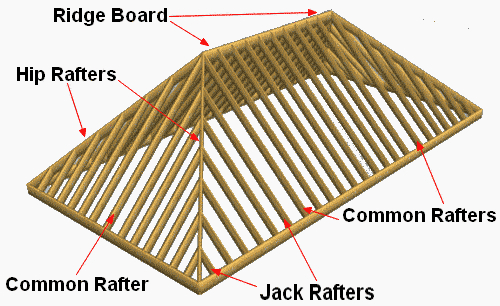
- Framing Connection: Inside your attic, the ridge board or ridge beam supports the rafters, tying the roof together.
- Stability: Without a secure ridgeline, the entire roof structure could shift.
Think of the roof ridgeline as the spine of your roofing system—it keeps everything aligned and in place.
The Roof Ridgeline and Ventilation
One of the most important functions of a roof ridgeline is providing ventilation through a ridge vent.
- What Is a Ridge Vent?
A ridge vent is a continuous vent installed along the roof ridgeline. It allows hot, moist air from your attic to escape, which helps regulate temperature and moisture levels. - Why Ventilation Matters:
- Reduces energy costs by lowering attic temperatures.
- Prevents condensation that can lead to mold or rot.
- Extends the life of roofing materials by preventing heat damage.
Without proper ventilation at the roof ridgeline, your attic can become a hotbox in summer and a moisture trap in winter.
Common Types of Roof Ridgelines
Depending on the design of your home, your roof ridgeline may look and function differently. Here are the main types:
- Gable Roof Ridgeline – The most common type, running horizontally across a peaked roof.
- Hip Roof Ridgeline – Multiple ridgelines where four sloping sides meet at different angles.
- Cross-Gabled Roof Ridgeline – Where two or more ridgelines intersect.

- Mansard or Gambrel Roof Ridgeline – More complex designs with multiple angles and joints.

Each type requires different installation and flashing techniques to prevent leaks.
Materials Used at the Roof Ridgeline
Protecting the roof ridgeline involves using special materials:
- Ridge Cap Shingles: Designed to bend over the peak, protecting the seam.
- Metal Ridge Caps: Common on metal roofing systems.
- Vent Covers: Plastic or metal covers that allow airflow while keeping out rain, snow, and pests.
Choosing the right ridge cap material ensures your roof ridgeline is both functional and aesthetically pleasing.
Signs of Problems with Your Roof Ridgeline
Like any part of your roof, the ridgeline can deteriorate over time. Here are warning signs to watch for:
- Leaking Along the Peak – Water stains on ceilings may indicate a compromised ridge cap.
- Missing or Damaged Ridge Shingles – Strong winds can rip them off.
- Sagging Ridgeline – Could mean structural issues with the ridge beam inside.
- Poor Ventilation – High attic temperatures or condensation suggest a blocked or missing ridge vent.
- Animal Entry – Birds, bats, or squirrels sometimes enter through damaged ridgelines.
If you notice these issues, it’s time for an inspection.
Repairing or Replacing a Roof Ridgeline
When your roof ridgeline needs attention, here’s how repairs typically work:
- Replacing Ridge Cap Shingles: Worn or missing caps are removed and replaced with new ones, sealed with roofing nails and adhesive.
- Installing a New Ridge Vent: If your home lacks ventilation, a roofing contractor may cut a slot along the ridge and install a continuous vent.
- Reframing a Sagging Ridge Beam: In severe cases, carpenters may need to reinforce or replace the ridge beam.
Repairs can range from a few hundred dollars for shingle replacement to several thousand for structural fixes.
How Much Does Roof Ridgeline Repair Cost?
Costs depend on the extent of damage and type of material:
- Ridge cap shingle replacement: $300 – $750
- Ridge vent installation: $500 – $1,500
- Structural ridge beam repair: $2,000 – $10,000+
Investing in regular maintenance saves money by preventing costly structural damage later.
DIY Roof Ridgeline Maintenance
Some minor maintenance tasks can be handled by handy homeowners, but safety is key.
- Inspect After Storms: Look for missing ridge shingles.
- Check Ventilation: Ensure ridge vents are clear of debris.
- Seal Small Gaps: Apply roofing caulk to tiny cracks.
⚠️ Warning: Avoid climbing onto steep or high roofs unless you have proper equipment. Most repairs are best left to professionals.
Aesthetic Impact of the Roof Ridgeline
Beyond function, the roof ridgeline also affects your home’s curb appeal. Manufacturers now offer designer ridge caps that blend seamlessly with architectural shingles, enhancing the roof’s overall look. A clean, well-installed ridgeline gives the roof a finished, professional appearance.
Roof Ridgeline and Weather Resistance
The ridgeline is exposed to the harshest weather conditions—high winds, heavy rain, snow accumulation, and direct sunlight. Proper installation ensures:
- Waterproofing: Prevents leaks where roof planes meet.
- Wind Resistance: Securely fastened ridge caps withstand gusts.
- Snow Shedding: Smooth ridgelines prevent buildup.
A poorly maintained ridgeline is one of the most common sources of roof leaks.
Roof Ridgeline in Different Climates
How your ridgeline performs depends on climate:
- Hot Climates: Ridge vents reduce cooling costs.
- Cold Climates: Proper ventilation prevents ice dams.
- Windy Areas: Reinforced ridge caps resist blow-offs.
- Humid Regions: Ventilation prevents mold and mildew.
Tailoring your roof ridgeline to your environment extends its life.
Professional Installation of Roof Ridgelines
Hiring a qualified roofing contractor ensures your ridgeline is properly installed. Professionals will:
- Use correct ridge cap shingles or materials.
- Install continuous ridge vents for airflow.
- Ensure flashing and sealing prevent leaks.
- Follow manufacturer guidelines to maintain warranties.
Cutting corners on ridgeline installation often leads to expensive repairs down the road.
FAQs About Roof Ridgelines
1. Do all roofs have a ridgeline?
No. Flat roofs and some shed roofs do not have ridgelines.
2. How long does a ridge vent last?
About 20–30 years, depending on material and exposure.
3. Can a roof ridgeline leak?
Yes, if ridge caps are missing, flashing is damaged, or ventilation is poorly installed.
4. Do I need a ridge vent?
In most modern homes, yes—it’s one of the most effective ways to ventilate your attic.
5. How often should I inspect my roof ridgeline?
At least twice a year, plus after major storms.
Conclusion: Why the Roof Ridgeline Matters
The roof ridgeline may seem like a small detail, but it’s the backbone of your roof’s structure, a key point for ventilation, and a critical defense against water infiltration. By understanding its role, maintaining it properly, and investing in professional repairs when needed, you can extend the lifespan of your entire roofing system.
Whether you’re a homeowner curious about how your roof works, or you’re planning a replacement project, the roof ridgeline deserves your attention. Think of it as the crown of your home—it protects, stabilizes, and enhances the beauty of your property.
Stay tuned to this blog for more roofing insights and tips that help you care for your home’s most important feature—your roof. 440-235-3124