(440) 307-2060
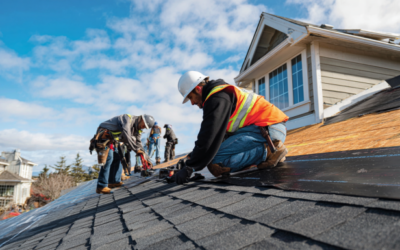
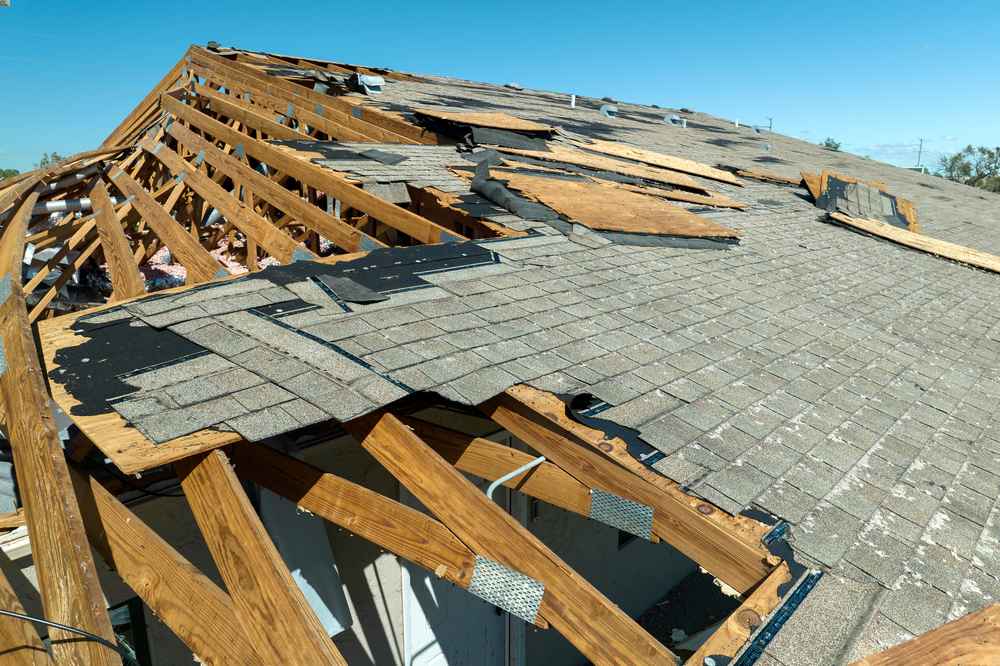
Severe storms are common in Northeast Ohio, especially during spring and early summer. High winds, heavy rain, and hail can move through Cleveland quickly, sometimes leaving homeowners with missing shingles, fallen branches, or unexpected leaks.
When that happens, many people start searching for what to do after storm damage to their roof and wondering how serious the situation might be. Acting quickly can make a major difference in preventing further damage to your home.
Understanding the steps to take if your roof is damaged in a storm can help homeowners stay calm and respond effectively during a stressful situation. It also helps to know how the storm damage roof repair process typically works so you know what to expect.
In this guide, you’ll learn:
- What to do immediately after storm damage to your roof
- The most important steps to take if your roof is damaged in a storm
- Why Cleveland weather frequently causes roof storm damage
- How the storm damage roof repair process works
- When to contact a local roofing contractor for help
If a recent storm may have damaged your roof, S&K Construction and Remodeling can help with inspections, emergency roof protection, and guidance on your next steps.
Why Storm Damage Is a Common Roofing Problem in Cleveland
Cleveland homeowners deal with some of the most unpredictable weather patterns in the Midwest. Lake-effect weather systems regularly produce storms that combine strong wind, hail, and heavy rainfall.
These conditions can damage roofing systems in several ways:
- strong wind lifting or removing shingles
- hail cracking or bruising roofing materials
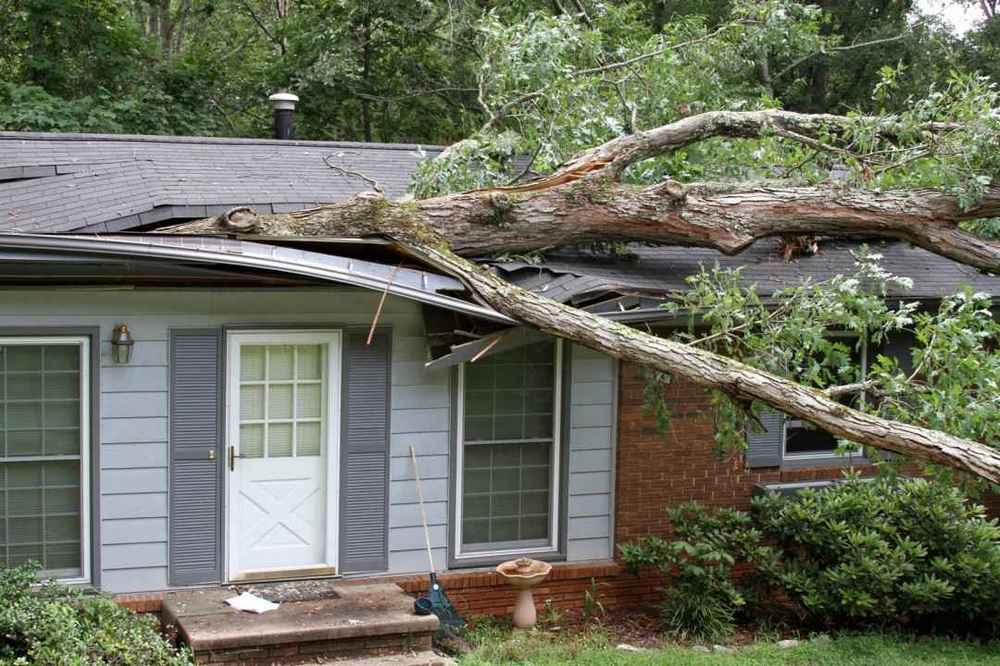
- falling tree branches striking the roof
- heavy rain exposing weak areas in aging roofs
Even newer roofs can suffer damage during severe storms. If the damage goes unnoticed, small issues can quickly develop into leaks or structural problems.
Homeowners often first notice storm damage through signs like missing shingles or interior water stains. If you want to learn more about spotting early warning signs, see our guide on how to identify roof storm damage after severe weather.
Once damage is suspected, the next step is understanding what to do after storm damage to your roof so the problem does not worsen.
What Homeowners Should Know Before Addressing Storm Damage
Before taking action after a storm, homeowners should understand a few key factors that influence roofing repairs.
Safety Comes First
Storm damage can make roofs unsafe. Wet shingles, loose flashing, and structural damage can create serious hazards. Most experts recommend avoiding climbing onto the roof until a professional inspection can be completed.
Insurance May Cover Storm Damage
Many storm-related roof repairs are covered by homeowner’s insurance policies. However, insurance providers typically require:
- documented damage
- inspection reports
- repair estimates
Professional inspections often help homeowners gather the documentation needed for claims.
Temporary Roof Protection May Be Needed
If a storm creates an opening in the roof, temporary protection such as roof tarping may be necessary to prevent additional water damage until repairs can be completed.
Understanding these basics helps homeowners prepare for the storm damage roof repair process.
Steps to Take If Your Roof Is Damaged in a Storm
Knowing the correct steps to take if your roof is damaged in a storm can help protect your home and prevent additional damage.
1. Check Your Property for Visible Damage
Begin by inspecting your property safely from the ground.
Look for common warning signs such as:
- missing or lifted shingles
- debris or branches on the roof
- damaged gutters or flashing
- pieces of roofing material in the yard
These issues often indicate storm damage.
2. Look for Interior Signs of Roof Damage
Roof damage is sometimes easier to detect inside the home.
Watch for:
- water stains on ceilings or walls
- damp attic insulation
- dripping water during rainstorms
Interior leaks are often the first sign that a storm has compromised the roof.
3. Document the Damage With Photos
Photographs are extremely helpful if you need to file an insurance claim.
Document:
- damaged shingles
- hail impact marks
- fallen branches
- interior water stains
Clear documentation can help support your insurance claim.
4. Contact Your Insurance Company
If storm damage is suspected, homeowners should contact their insurance provider to begin the claims process. Insurance companies often require documentation, inspection reports, and repair estimates before approving coverage.
5. Schedule a Professional Roof Inspection
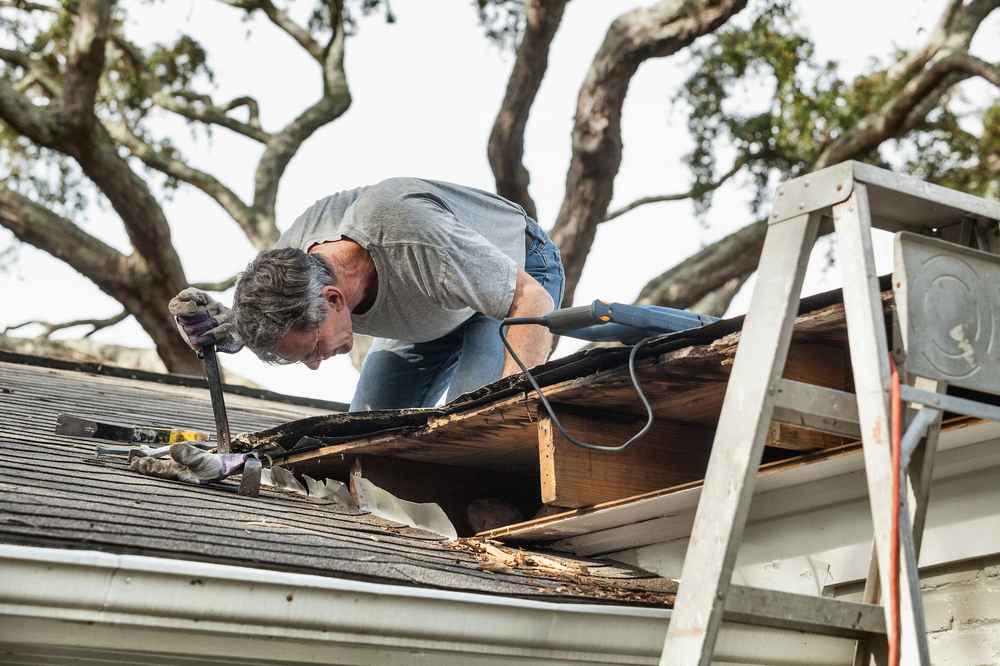
Once you suspect damage, scheduling a professional inspection is one of the most important steps.
Experienced roofing contractors can identify issues that homeowners may not notice, including:
- cracked shingles
- damaged flashing
- weakened roof decking
Choosing a local roofing contractor is important because they understand Cleveland’s weather patterns and common storm-related roofing problems.
6. Use Temporary Protection if Necessary
If your roof is leaking, temporary tarping may be needed to prevent additional water intrusion. Emergency tarping helps protect the home while permanent repairs are being planned.
Emergency tarping can help:
- protect insulation and ceilings
- prevent further interior damage
- stabilize the roof until permanent repairs begin
Local roofing contractors often provide emergency tarping and inspection services after severe storms. S&K Construction and Remodeling helps homeowners secure their roofs quickly and can also assist with documenting storm damage for insurance claims.
How the Storm Damage Roof Repair Process Works
After damage is confirmed, homeowners typically move into the storm damage roof repair process.
Roof Inspection and Assessment
The contractor performs a detailed inspection and documents all storm-related damage.
Insurance Claim Review
If the damage qualifies for coverage, homeowners may submit inspection documentation to their insurance provider.
Roof Repair or Replacement
Depending on the severity of damage, contractors may recommend:
- minor repairs
- partial roof replacement
- full roof replacement
The goal is to restore the roof’s ability to protect the home from future storms.
Roofing Materials and Storm Resistance in Northeast Ohio
The durability of roofing materials plays a major role in how well roofs perform during storms.
Architectural Asphalt Shingles
Pros
- strong wind resistance
- reliable performance in cold climates
- widely used throughout Northeast Ohio
Cons
- severe hail or debris can still cause damage
Metal Roofing
Pros
- extremely durable
- excellent wind resistance
- sheds snow easily
Cons
- higher upfront cost
Choosing storm-resistant materials can reduce the likelihood of severe damage during future storms.
Common Questions Cleveland Homeowners Ask After Roof Storm Damage
After a severe storm passes through Northeast Ohio, many homeowners have urgent questions about what to do next. The answers below address some of the most common concerns people have when dealing with roof storm damage and planning repairs.
What should I do after storm damage to my roof?
After storm damage to your roof, the first step is to inspect your property safely from the ground and look for visible signs of damage. Homeowners should take photos of any issues they notice and schedule a professional roof inspection to determine the extent of the damage.
How can I tell if my roof was damaged in a storm?
You can tell if your roof was damaged in a storm by looking for missing shingles, debris on the roof, dented gutters, or water stains inside the home. These warning signs often indicate that strong winds, hail, or falling branches affected the roofing system.
Will homeowners insurance cover storm damage to my roof?
Homeowners insurance often covers roof storm damage caused by events like hail or wind. Most insurance providers require documentation of the damage and a professional inspection before approving repairs.
How long does the storm damage roof repair process usually take?
The storm damage roof repair process usually takes anywhere from one day to several days depending on the severity of the damage. Minor repairs may be completed quickly, while larger repairs or replacements may take longer.
Should I call a roofing contractor immediately after a storm?
Yes, calling a roofing contractor after a storm is recommended if you suspect damage. Early inspections help identify hidden problems and prevent leaks or additional structural issues.
Protecting Your Home After Roof Storm Damage
Storm damage can happen unexpectedly, but knowing what to do after storm damage to your roof helps homeowners act quickly and prevent further problems.
By following the proper steps to take if your roof is damaged in a storm, homeowners can move through the storm damage roof repair process with confidence.
S&K Construction and Remodeling helps homeowners throughout Northeast Ohio inspect storm damage, protect their homes with temporary roof solutions, and complete reliable repairs.
If your roof may have been damaged during a recent storm, schedule your free inspection today to receive a professional evaluation and guidance on the next steps.