(440) 307-2060
Roofer Inspection: A Complete Guide for Homeowners
When it comes to protecting your home, your roof is one of the most critical features. It shields you from rain, wind, snow, and sunlight, and it helps regulate energy efficiency inside the house. But many homeowners don’t realize that the roof requires routine care and professional attention to remain in good condition. A roofer inspection is the best way to uncover hidden issues before they grow into costly repairs or even full roof replacements.
This guide dives into why inspections matter, what professional roofers look for, how often inspections should happen, and what homeowners can do to prepare.
Why Roofer Inspections Matter
Your roof is constantly exposed to the elements. Over time, even the most durable materials break down. Without regular inspections, small issues like cracked shingles, loose flashing, or minor leaks can go unnoticed until they cause significant structural problems.
Here are the main reasons roofer inspections are so valuable:
- Leak Prevention
Most roof leaks start small. Water can seep in around chimneys, valleys, or vents long before you notice stains on your ceiling. Inspections catch these problems early. - Storm Damage Detection
After storms, roofs often suffer damage from wind, hail, or falling branches. Some damage may be cosmetic, but other issues weaken the roof’s integrity. - Longevity of Roofing Materials
Routine inspections help extend the lifespan of shingles, tiles, or metal panels. Addressing minor problems prevents premature failure. - Energy Efficiency
A damaged or poorly sealed roof allows air leakage, increasing heating and cooling costs. - Peace of Mind
Knowing your roof is in good shape gives you confidence that your home is safe from water damage and weather risks.
What Happens During a Roofer Inspection
Professional inspections are thorough. A roofer doesn’t just glance at the surface; they evaluate the entire roofing system, from shingles to attic ventilation.
Here’s what they typically check:
1. Exterior Roof Surface
- Shingles or Tiles: Look for cracking, curling, missing, or worn materials.
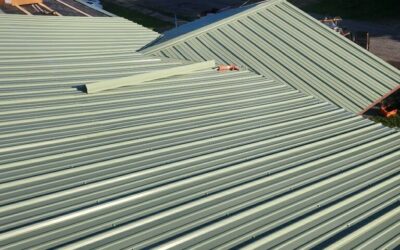
- Metal Roof Panels: Check for rust, dents, or lifted seams.
- Granule Loss: Asphalt shingles may shed granules, reducing protection.
2. Flashing
- Flashing seals roof penetrations like chimneys, skylights, and vents. Roofers check for rust, cracks, or loose sections that could allow water entry.
3. Gutters and Downspouts
- Inspect for clogs, sagging, or poor attachment. Blocked gutters can cause water to back up into the roof.
4. Valleys and Ridges
- Valleys collect the most water, while ridges take heavy wind exposure. Roofers check for signs of wear or leakage.
5. Attic and Interior Signs
- In the attic, roofers look for damp insulation, mold, or water stains on rafters. Inside the home, ceiling stains or peeling paint may indicate roof leaks.
6. Ventilation and Insulation
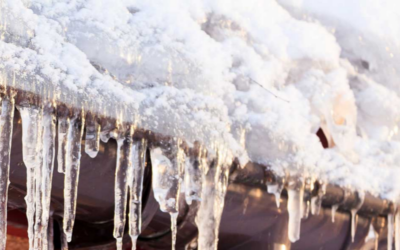
- Proper airflow in the attic prevents moisture buildup and ice dams in cold weather. Roofers check vents and insulation levels.
How Often Should You Schedule a Roofer Inspection?
The frequency depends on climate, roof age, and recent weather. General guidelines are:
- Twice a Year: Once in the spring and once in the fall to prepare for seasonal changes.
- After Severe Weather: Following hailstorms, hurricanes, or heavy winds.
- For Older Roofs: Roofs over 15 years old need more frequent attention.
- Before Buying or Selling a Home: An inspection provides clarity on roof condition and potential costs.
Roofer Inspection Checklist
A comprehensive inspection may include dozens of items, but here’s a simplified checklist homeowners can expect a roofer to follow:
- Missing or damaged shingles.
- Cracks, blisters, or curling shingles.
- Signs of algae, moss, or mold growth.
- Damage around chimneys, skylights, or vents.
- Flashing gaps or corrosion.
- Loose or damaged gutters.
- Water stains inside the attic or on ceilings.
- Sagging roof areas indicating structural weakness.
- Proper ventilation in attic spaces.
Common Issues Found During Inspections
Inspections often reveal problems that may not be visible from the ground:
- Small Leaks
Tiny water entry points can cause insulation damage and mold. - Nail Pops
Nails can push upward, leaving small holes where water seeps in. - Shingle Deterioration
Shingles naturally wear down, especially in hot or storm-prone climates. - Ponding Water
On flat or low-slope roofs, water may pool, increasing leak risks. - Ventilation Problems
Blocked or inadequate vents trap heat and moisture, damaging roof structure.
Benefits of Professional vs. DIY Inspections
While homeowners can do a quick visual check, professional roofer inspections offer major advantages:
- Safety: Roofers have the right equipment to climb and inspect safely.
- Expertise: They can spot subtle signs of damage that untrained eyes miss.
- Documentation: Professional inspections often come with reports or photos, useful for insurance claims.
- Preventive Action: Contractors can recommend timely repairs before issues escalate.
Preparing for a Roofer Inspection
If you’ve scheduled an inspection, you can prepare by:
- Clearing debris from around the house so roofers have easy access.
- Unlocking attic access points.
- Making a list of any leaks, ceiling stains, or concerns you’ve noticed.
The Role of Roofer Inspections in Insurance
Insurance companies often require documentation after a storm. Professional inspection reports help homeowners:
- Prove storm damage.
- File claims faster.
- Avoid disputes about roof condition.
Without inspections, you may struggle to show evidence of damage.
Costs of Roofer Inspections
Inspection costs vary based on roof size, type, and location. Some companies offer free inspections, while others charge for thorough reports. The cost is minor compared to potential repair savings.
Roofer Inspections Across Roof Types
Different roofing materials require different inspection methods:
- Asphalt Shingles: Check for granule loss, cracks, and curling.
- Metal Roofs: Inspect seams, fasteners, and coating wear.
- Tile Roofs: Look for cracks, broken tiles, and underlayment condition.
- Flat Roofs: Watch for ponding water, membrane damage, and seam separation.
Seasonal Considerations for Inspections
- Spring: Identify winter ice damage and prepare for heavy spring rains.
- Summer: Check for heat-related wear and storm damage.
- Fall: Ensure the roof is ready for snow and freezing temperatures.
- Winter (in milder regions): Monitor for wind or rain-related issues.
Roofer Inspections and Home Value
A well-maintained roof adds to curb appeal and increases home value. During property sales, inspection reports can reassure buyers and speed up negotiations. Conversely, signs of roof neglect often reduce buyer confidence.
The Connection Between Roofer Inspections and Maintenance
Inspections are part of a larger maintenance cycle. When paired with cleaning gutters, trimming overhanging branches, and checking attic ventilation, they ensure the roof performs well for decades.
Real-Life Examples of Roofer Inspections
- Storm Aftermath: A homeowner noticed no visible damage after a hailstorm, but a roofer inspection revealed cracked shingles and bruised spots that would have leaked within months.
- Older Roof: A 20-year-old asphalt roof showed subtle signs of curling shingles and deteriorated flashing. The inspection helped the homeowner budget for replacement before leaks began.
- Home Sale: Buyers requested a roof inspection during negotiations, which uncovered minor issues the seller repaired, keeping the sale on track.
What Happens After the Inspection?
Following an inspection, roofers typically provide:
- A summary of findings.
- Photographs of damaged areas.
- Recommendations for repair or replacement.
- An estimate of costs for necessary work.
Mistakes Homeowners Make With Inspections
- Skipping inspections entirely.
- Relying only on visual checks from the ground.
- Ignoring minor problems.
- Delaying inspections until visible leaks appear.
By being proactive, you can avoid these pitfalls.
Future of Roofer Inspections
Technology is changing the way inspections are done:
- Drones: Allow safe, detailed views of hard-to-reach areas.
- Infrared Cameras: Detect hidden moisture under shingles.
- Digital Reports: Provide easy-to-share results for homeowners and insurance companies.
Conclusion
A roofer inspection is more than just a quick glance at your shingles—it’s a full evaluation of the health of your roofing system. Regular inspections prevent leaks, extend the lifespan of your roof, improve energy efficiency, and protect your home from costly water damage. Whether after a storm, before selling a house, or as part of seasonal maintenance, these inspections are essential for responsible homeownership.
By investing in regular roofer inspections, you’re not just taking care of your roof—you’re safeguarding your entire home. 440-235-3124