(440) 307-2060
The Ultimate Guide to Roofing and Maintenance: Protect Your Home and Extend Your Roof’s Life
A well-maintained roof is essential to safeguarding your home from the elements, enhancing energy efficiency, and preserving property value. Whether you have an asphalt shingle roof, metal, tile, or any other roofing system, regular roofing maintenance is key to preventing costly repairs and premature replacement.
In this complete guide, we will walk you through everything you need to know about roofing and maintenance—from common roofing materials and typical problems to practical maintenance tips, inspection routines, and professional services. By the end, you’ll be equipped to protect your roof investment and ensure your home remains safe and comfortable year-round.
Table of Contents
- Why Roofing Maintenance Matters
- Common Roofing Materials and Their Maintenance Needs
- Signs Your Roof Needs Maintenance or Repair
- Essential Roofing Maintenance Tasks
- How to Inspect Your Roof Like a Pro
- Seasonal Roofing Maintenance Checklist
- The Role of Roof Cleaning and Gutter Maintenance
- Roof Ventilation and Its Impact on Roof Health
- When to Hire a Professional Roofing Contractor
- Roofing Maintenance Costs: What to Expect
- Roof Maintenance Tips to Extend Lifespan
- Common Mistakes in Roofing Maintenance to Avoid
- Benefits of Roof Maintenance for Insurance and Resale Value
- Frequently Asked Questions About Roofing and Maintenance
- Conclusion: Make Roofing Maintenance a Priority
1. Why Roofing Maintenance Matters
Your roof is one of the most critical components of your home’s structure. It shields you from rain, snow, wind, and extreme temperatures. Neglecting regular roofing maintenance can lead to:
- Water leaks and interior damage
- Mold and mildew growth
- Structural weakening of decking and supports
- Increased energy bills due to poor insulation and ventilation
- Shortened roof lifespan and expensive premature replacement
Routine maintenance helps detect minor issues early, saving thousands in costly repairs. Well-maintained roofs also enhance your home’s curb appeal and can increase property value.
2. Common Roofing Materials and Their Maintenance Needs
Different roofing materials require specific maintenance to stay in peak condition. Here’s a quick overview:
Asphalt Shingles
The most popular roofing material in North America, asphalt shingles are affordable and durable. Maintenance includes:
- Checking for cracked, curled, or missing shingles
- Clearing debris to prevent moss and algae
- Ensuring flashing and sealants are intact
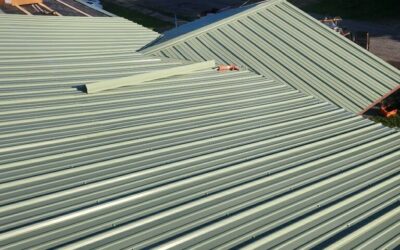
Metal Roofs
Metal roofs are long-lasting and resistant to many weather elements, but they still need:
- Inspection for rust or corrosion spots
- Tightening loose fasteners
- Clearing gutters and checking seals
Tile Roofs (Clay or Concrete)
Tile roofs are heavy and fragile. Maintenance focuses on:
- Replacing cracked or broken tiles
- Checking underlayment for leaks
- Cleaning moss and algae carefully
Wood Shingles and Shakes
These roofs require more attention:
- Regular cleaning to remove debris and prevent rot
- Treating against insects and fungus
- Checking for warped or split shingles
Flat Roofs (EPDM, TPO, Modified Bitumen)
Flat roofs have different challenges:
- Regularly checking for ponding water
- Inspecting seams and flashing for leaks
- Clearing drains and debris
3. Signs Your Roof Needs Maintenance or Repair
Recognizing early warning signs of roofing problems can prevent disasters. Look for:
- Missing, cracked, or curling shingles
- Granule loss in asphalt shingles (check gutters)
- Sagging or uneven roof surface
- Water stains on ceilings or walls
- Mold, mildew, or moss growth
- Damaged flashing or chimney seals
- Excessive granule buildup in gutters
- Increased energy bills without another explanation
If you notice any of these, schedule a roof inspection immediately.
4. Essential Roofing Maintenance Tasks
Cleaning Your Roof
Removing leaves, branches, and dirt prevents water retention and moss growth.
Checking Flashing and Sealants
Flashing around chimneys, vents, and skylights protects against leaks. Damaged flashing should be resealed or replaced promptly.
Inspecting Gutters and Downspouts
Clogged gutters cause water overflow that can damage fascia, soffits, and even foundation.
Removing Moss and Algae
Use gentle, roof-safe cleaning agents or hire professionals to eliminate biological growth that degrades shingles.
Roof Ventilation Checks
Proper airflow prevents heat buildup and moisture accumulation that can warp roofing materials.
Trim Overhanging Branches
Branches rubbing against the roof surface can damage shingles and provide pathways for pests.
5. How to Inspect Your Roof Like a Pro
You don’t need to be an expert to perform a basic roof inspection. Here’s how:
- Visual inspection from the ground: Use binoculars to check for missing shingles, damaged flashing, or moss.
- Check gutters for granules: Excess granules indicate shingle wear.
- Inspect attic or crawlspace: Look for water stains, mold, or daylight through the roof boards.
- Climb up safely or hire a professional: Look for loose or missing shingles, damaged vents, and cracks.
- Document findings: Take photos for future reference or insurance claims.
6. Seasonal Roofing Maintenance Checklist
Spring
- Clean gutters and downspouts after winter debris buildup
- Inspect for winter damage like ice dams or broken shingles
- Remove moss and algae
Summer
- Check for signs of heat damage or blistering
- Ensure ventilation is working properly to reduce attic heat
Fall
- Clear leaves and debris from roof and gutters
- Inspect flashing and seals before winter storms
Winter
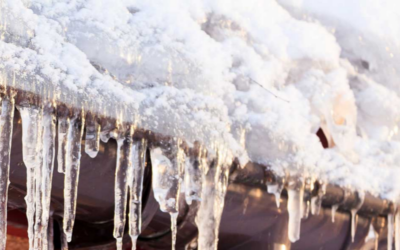
- Monitor for ice dams and heavy snow accumulation
- Clear safe snow loads to prevent structural damage
7. The Role of Roof Cleaning and Gutter Maintenance
Roof cleaning extends the life of shingles by removing algae, moss, and debris that retain moisture. Use appropriate cleaning solutions or hire experts to avoid damage.
Gutters protect your home’s foundation by channeling water away. Regular cleaning prevents overflow that damages roofing components and siding.
8. Roof Ventilation and Its Impact on Roof Health
Proper roof ventilation balances air circulation, preventing:
- Excessive heat buildup in summer
- Moisture accumulation in winter that causes rot and mold
- Premature shingle aging
Common ventilation types include ridge vents, soffit vents, and gable vents. Properly designed ventilation also reduces energy costs.
9. When to Hire a Professional Roofing Contractor
DIY maintenance is useful but some tasks require expertise:
- Major repairs or shingle replacement
- Flashing or chimney repair
- Diagnosing leaks or structural damage
- Complex inspections
- Roof cleaning with chemicals or power washing
Hiring licensed, insured roofing contractors ensures safety and quality workmanship.
10. Roofing Maintenance Costs: What to Expect
Routine maintenance can cost from $150 to $500 per visit depending on roof size and services.
Major repairs or replacements can range from $1,000 to $10,000+.
Investing in maintenance reduces the risk of costly emergency repairs and extends roof lifespan, saving money long-term.
11. Roof Maintenance Tips to Extend Lifespan
- Schedule roof inspections at least twice a year
- Keep gutters clean to prevent water damage
- Address minor issues promptly before they worsen
- Maintain proper attic insulation and ventilation
- Remove debris after storms
- Avoid walking on the roof unnecessarily to prevent damage
- Trim trees around your home to prevent branch damage and moss growth
12. Common Mistakes in Roofing Maintenance to Avoid
- Ignoring small leaks or damage
- Neglecting attic inspections
- Using harsh chemicals or pressure washers on shingles
- Hiring unlicensed contractors
- Skipping regular gutter cleaning
- Delaying repairs due to cost concerns (which often leads to higher costs)
13. Benefits of Roof Maintenance for Insurance and Resale Value
Many insurance policies require proof of maintenance to honor roof damage claims.
A well-maintained roof boosts your home’s marketability, often yielding a higher resale price.
Regular documentation of maintenance can also help during home inspections and appraisals.
14. Frequently Asked Questions About Roofing and Maintenance
Q: How often should I have my roof inspected?
A: At least twice a year — preferably spring and fall — plus after major storms.
Q: Can I clean my roof myself?
A: Minor debris removal is okay, but chemical cleaning and major tasks should be done by professionals.
Q: How long does a typical roof last with maintenance?
A: 20-50 years depending on material and upkeep.
Q: Will maintenance reduce my insurance premiums?
A: Some insurers offer discounts for documented maintenance.
Q: What should I do if I find a leak?
A: Schedule professional inspection and repair ASAP to avoid structural damage.
15. Conclusion: Make Roofing Maintenance a Priority
Your roof protects your family, your belongings, and your home’s structural integrity. Investing in regular roofing maintenance is one of the smartest homeownership decisions you can make. It saves money by preventing expensive repairs, extends roof lifespan, improves energy efficiency, and keeps your home looking great.
By understanding your roofing system, recognizing signs of trouble early, and following a routine maintenance schedule, you can enjoy peace of mind knowing your roof will perform at its best for years to come.
If you’re unsure about your roof’s condition or need professional maintenance services, contact a certified roofing contractor today to protect your home investment.
Thank you for reading this comprehensive guide on roofing and maintenance! Feel free to ask questions or share your own tips in the comments.
Would you like me to help with any other section or a specific style or tone?