(440) 307-2060
🏠 The Ultimate Guide to Roofing Options: Cost, Durability & Which Is Right for You
Whether you’re building new or replacing an old roof, choosing the right roofing material is crucial. Homeowners often ask: What type offers the best value? Which lasts longest? What fits climate and budget? This guide explores all top roofing options, with cost estimates, benefits, downsides, and decision-making tips.
1. Asphalt Shingles: Budget Friendly & Widely Used
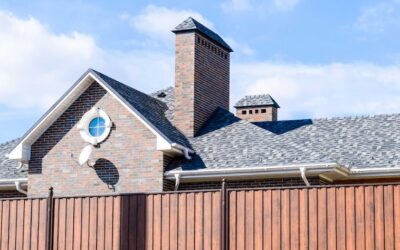
Asphalt shingles dominate the residential market, thanks to their affordability, ease of installation, and wide color/style options.
- Cost: ~$3.40–8.75 per sq. ft installed, depending on type and region. Basic 3‑tab run ~$3.50–5, architectural ~$4–8.50, luxury designer ~$7–16 per sq. ft. (Heartland Roofing and Construction, homesidekick.com)
- Lifespan: 15–30 years (standard 15–20, premium shingles up to 30) (The Spruce)
- Pros:
- Affordable
- Broad contractor familiarity
- Good styling options
- Cons:
- Vulnerable to wind, hail
- Shorter lifespan
- Requires periodic replacement (Livingetc, titusgcinc.com, Safeguard Roofing, Amstill Roofing Company)
Best for homeowners seeking quick, cost-effective roofing solutions that look decent and get the job done.
2. Metal Roofing: Durable, Energy‑Efficient, Modern
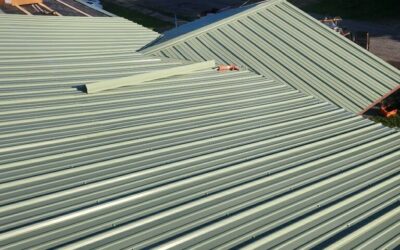
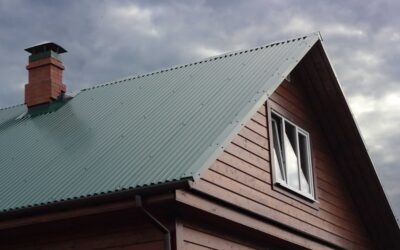
Metal roofs—standing seam, corrugated steel, aluminum, copper, or zinc—are growing in popularity.
- Cost:
- Steel: ~$6–21 per sq. ft
- Aluminum: ~$6–14+ per sq. ft
- Copper & zinc (premium): ~$15–35 per sq. ft (homesidekick.com, titusgcinc.com, smartroofglobal.com)
- Lifespan: 40–70+ years, with copper/zinc lasting up to a century (homesidekick.com)
- Pros:
- Lightweight and recyclable
- Excellent wind and fire resistance
- Reflects solar heat—can lower energy bills by up to 40% (Sustainable Living Builders, Wikipedia)
- Cons:
- Higher upfront cost
- Can be noisy in rain or hail (with proper insulation, impact minimal)
- Some metals prone to denting or corrosion if untreated (Safeguard Roofing, Miller Roofing and Renovations)
Best suited for homeowners looking for long-lasting, eco‑friendly roofing that ages gracefully and offers premium performance.
3. Clay & Concrete Tiles: Style Meets Durability
Iconic in Mediterranean and Spanish-style architecture, these heavy tiles offer long-lasting elegance.
- Cost:
- Clay: ~$10–25 per sq. ft
- Concrete: ~$9–18 per sq. ft (titusgcinc.com, homesidekick.com)
- Lifespan: 50–100+ years (clay up to 100+, concrete 30–50) (mammothroofs.com)
- Pros:
- Extreme durability
- Fire- and mold-resistant
- Minimal fading and low maintenance
- Cons:
- Very heavy—often requires structural reinforcement
- High installation complexity and cost
- Not ideal in snow-laden or freeze-thaw climates (Ideal Home, The Spruce, Sustainable Living Builders)
Ideal for hot, arid climates where architectural style and longevity justify the investment.
4. Slate Roofing: Timeless Elegance & Centuries of Life
Slate is a premium, natural stone roofing material prized for its appearance and unmatched lifespan.
- Cost: ~$15–30+ per sq. ft installed (titusgcinc.com)
- Lifespan: 75–200 years (Renoworks)
- Pros:
- Unmatched natural aesthetics
- Fireproof, rot-proof, eco-friendly
- Exceptionally durable (Sustainable Living Builders)
- Cons:
- Extremely heavy — requires reinforced framing
- Very high cost and skilled installation required
- Brittle and complex to repair or replace
Best for heritage homes and owners seeking maximum longevity and luxury curb appeal.
5. Wood Shingles & Shakes: Natural Beauty with Maintenance
Wood shingles (machine-cut) or shakes (hand-split) create a rustic, warm aesthetic using cedar or redwood.
- Cost: ~$6.50–14 per sq. ft installed (titusgcinc.com, Sustainable Living Builders)
- Lifespan: 25–40 years, depending on treatment and climate (Miller Roofing and Renovations, Sustainable Living Builders, titusgcinc.com)
- Pros:
- Beautiful natural look
- Provides natural insulation
- Cons:
- High maintenance – needs sealing, mold/pest treatment
- Fire hazard unless specially treated
- Less durable in humid or wildfire-prone areas (Sustainable Living Builders, Heartland Roofing and Construction, Wikipedia)
Ideal for homeowners valuing aesthetics, natural materials, and living in mild, dry climates.
6. Synthetic or Composite Roofing: Lightweight High-End Look
Composite shingles mimic slate, wood, or tile using polymer blends, synthetic slate, or rubber.
- Cost: ~$4–10 per sq. ft installed (titusgcinc.com)
- Lifespan: 30–50 years
- Pros:
- Light, durable, low maintenance
- Often recyclable and eco‑friendly
- Lower cost than natural slate or wood
- Cons:
- Product quality varies by brand
- Newer technology; long-term performance still emerging (Sustainable Living Builders, Heartland Roofing and Construction, Wikipedia)
Great for homeowners seeking premium aesthetics with reduced weight and cost.
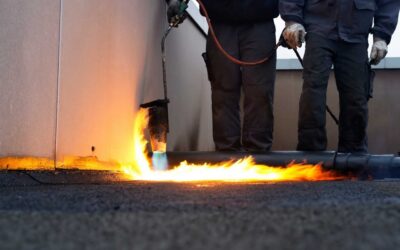
7. Flat Roof Systems: BUR, Modified Bitumen, EPDM, TPO
Common in commercial and modern residential design, flat or low-slope roof systems require specialized materials.
- Built-Up Roofing (BUR): $5–7 per sq. ft (15–30-year lifespan)
- Modified Bitumen: $6–9 per sq. ft (20–30-year lifespan)
- TPO (single-ply membrane): $5.50–9.50 per sq. ft (15–30-year lifespan)
- EPDM (rubber): $5–9 per sq. ft (20–40 years) (titusgcinc.com)
Pros:
- Designed for low-slope, watertight coverage
- Durable when installed professionally
Cons: - Requires experienced installers
- Some materials emit odors during installation
- Vulnerable to punctures if not maintained
Best for flat-roofed buildings, garages, or modern architectural designs.
8. Green (Living) Roofs & Solar-Integrated Roofing
For energy-conscious or avant-garde homeowners, green roofs or solar tiles offer innovative alternatives.
- Green Roofs: $10–30+ per sq. ft. Lifespan varies; structural engineering required. Offers insulation, stormwater management, and visual appeal. (titusgcinc.com, Sustainable Living Builders, Homes and Gardens)
- Solar Roofing: Solar shingles or solar panel integration costs vary, often $2–4 per watt; sleek design merges roof and energy system. (Wikipedia, Sustainable Living Builders)
Pros:
- Ecologically friendly, may qualify for rebates
- Can significantly reduce energy bills
Cons: - Complex, expensive installation
- Requires maintenance or backup systems
Ideal for homeowners focused on sustainability and renewable energy.
9. Cost Comparison at a Glance
| Roofing Type | Installed Cost/ft² | Lifespan | Ideal Use Case |
|---|---|---|---|
| Asphalt Shingles | $3.50–8.75 | 15–30 yrs | Affordable, versatile |
| Metal (steel/alum) | $6–16 | 40–70 yrs | Durable, energy-efficient |
| Copper/Zinc Metal | $15–35+ | 60–100+ yrs | Luxury, architecturally iconic |
| Clay Tiles | $10–25 | 50–100+ yrs | Mediterranean style, fire-resistant |
| Concrete Tiles | $9–18 | 30–50 yrs | Durable, tile aesthetic |
| Slate | $15–30+ | 75–200 yrs | Elite durability & beauty |
| Wood Shingles/Shakes | $6.50–14 | 25–40 yrs | Rustic, natural, regionally inspired |
| Synthetic/Composite | $4–10 | 30–50 yrs | Mimics premium materials affordably |
| BUR/Modified/TPO/EPDM | $5–9.50 | 15–40 yrs | Flat or low-slope roof designs |
| Green or Solar Roofs | $10–30+ / solar rates | Varies | Energy-smart, eco-conscious builds |
10. Choosing the Right Roofing Option
🔍 Consider These Factors:
- Budget: Asphalt shingle offers the lowest initial price, while metal, tile, or slate cost more upfront.
- Climate: Metal excels in storms; tile in heat; wood damp climates may degrade faster.
- Roof pitch & structure: Heavy materials need reinforced framing.
- Aesthetic goals: Slate, clay, wood, or synthetic offer distinctive visual identity.
- Long‑term value: Metal, tile, slate often provide better ROI over decades.
- Environmental factors: Metal, synthetic, green, or solar roofs offer sustainable advantages.
- Local codes or HOA rules: Some styles may be restricted or encouraged.
11. FAQs for Roofing Selection
Q: Which roofing material is most affordable?
A: Standard asphalt shingles, especially 3‑tab, cost as little as $3–4 per square foot installed. (Livingetc, Sustainable Living Builders, homesidekick.com, Homes and Gardens, Renoworks, The Spruce, titusgcinc.com)
Q: What lasts the longest?
A: Slate, clay, copper, and zinc can last over 100 years. Many metal roofs last 40–70 years with minimal upkeep. (homesidekick.com)
Q: What’s best for hail-prone or wildfire zones?
A: Metal, tile, synthetic, and slate offer excellent fire and impact resistance, often qualifying for insurance discounts. (Safeguard Roofing, Sustainable Living Builders)
Q: Are synthetic roofing materials reliable?
A: Yes—modern composites mimic premium materials closely and typically offer 30–50 years of service without extra weight or high cost. (titusgcinc.com)
Q: How do flat roofs compare?
A: BUR, modified bitumen, EPDM, and TPO are tailored for low-slope roof designs; each has specific performance and cost profiles. (Miller Roofing and Renovations)
12. Concluding Advice
Selecting the right roofing option is a balance of cost, longevity, climate compatibility, and visual appeal. Asphalt shingles may suffice for short-term budgets, but if you plan to stay long-term or want a signature look, metal, tile, slate, or synthetic roofing offers greater durability and curb value.
Always request multiple professional estimates, examine sample materials in person, check warranty terms, and ensure your structure supports heavier options when needed. Whether you value energy savings, minimal maintenance, or timeless style—there’s a roofing solution that fits.
Choosing a roof is more than protecting your home—it’s an investment in performance, appearance, and future resilience. Need help narrowing in on the ideal option for your region or home type? I’d be happy to tailor recommendations or help with planning tools.