(440) 307-2060
Shingle to Metal Roof Transition: The Complete Guide for a Seamless Roofing Upgrade
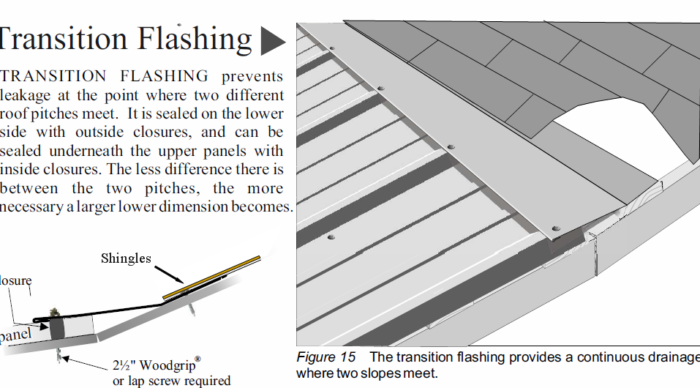
Transitioning from a traditional shingle roof to a modern metal roof is becoming an increasingly popular choice for homeowners and commercial property owners alike. Metal roofs offer superior durability, energy efficiency, and longevity, making them a smart investment over asphalt shingles. However, the process of moving from a shingle roof to a metal roof—often referred to as the shingle to metal roof transition—requires careful planning, proper materials, and professional installation to ensure a seamless and leak-proof result.
If you’re considering upgrading your roof curious about the transition process, this comprehensive guide covers everything you need to know—from the benefits and challenges to materials, installation tips, and maintenance advice. By the end of this article, you’ll have a clear understanding of how to successfully manage the transition from shingles to metal roofing. The importance of using a.good roof replacement contractors
Table of Contents
- Why Transition from Shingle to Metal Roof?
- Understanding the Shingle to Metal Roof Transition
- Key Considerations Before Making the Transition
- Types of Metal Roofing Compatible with Shingle Roofs
- Materials Needed for the Transition
- Step-by-Step Guide to Shingle to Metal Roof Transition
- Flashing and Edge Treatment for a Water-Tight Seal
- Common Challenges During the Transition and How to Overcome Them
- Cost Considerations: Shingle to Metal Roof Transition
- Benefits of Metal Roofing After Transition
- Maintenance Tips for Metal Roofs Post-Transition
- Frequently Asked Questions (FAQs)
- Conclusion
1. Why Transition from Shingle to Metal Roof?
Switching from a traditional asphalt shingle roof to a metal roof has become a popular home improvement choice because of the numerous benefits metal roofing offers:
- Longevity: Metal roofs typically last 40-70 years compared to 15-30 years for asphalt shingles.
- Durability: Metal resists cracking, shrinking, and erosion caused by weather, unlike shingles that can degrade.
- Energy Efficiency: Metal roofing reflects solar radiant heat, reducing cooling costs.
- Low Maintenance: Metal roofs require less upkeep and are easier to clean.
- Eco-Friendly: Metal roofs are often made from recycled materials and are fully recyclable at the end of their life.
- Aesthetic Appeal: Metal roofs offer modern, sleek looks with various styles and colors.
2. Understanding the Shingle to Metal Roof Transition
A shingle to metal roof transition involves installing a metal roof over or in place of an existing shingle roof. The approach can differ depending on whether you’re doing an overlay (metal over shingles) or a full tear-off followed by metal roof installation.
- Overlay: Installing metal roofing panels directly over the shingles, often with additional underlayment and furring strips to ensure proper ventilation and secure fastening.
- Full Tear-Off: Removing the existing shingles entirely before installing the metal roof on a clean, prepared roof deck.
Both methods have pros and cons and require different materials and installation steps.
3. Key Considerations Before Making the Transition
Before starting the transition, consider the following factors:
3.1 Roof Condition and Structure
Inspect the underlying roof deck for rot, damage, or structural weaknesses. Metal roofing is heavier in terms of load distribution (though lighter than tile), and the structure must support it safely.
3.2 Building Codes and Permits
Some municipalities have regulations about roofing overlays or require a full tear-off. Always check local building codes and acquire necessary permits.
3.3 Ventilation and Insulation
Proper ventilation prevents moisture buildup and extends roof life. Consider upgrading attic ventilation during transition.
3.4 Budget
Transitioning to metal roofing involves various costs—from materials and labor to potential structural repairs.
3.5 Style and Color
Metal roofing comes in diverse styles, from standing seam to corrugated panels. Choose a style and color that complement your home.
4. Types of Metal Roofing Compatible with Shingle Roofs
Several metal roofing types work well when transitioning from shingles:
4.1 Standing Seam Metal Roof
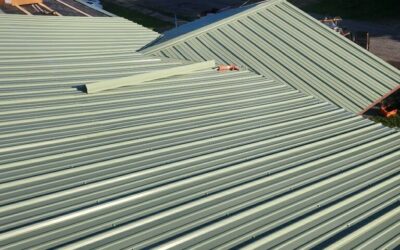
Known for its clean lines and concealed fasteners, standing seam roofing offers a modern look and excellent weather resistance.
4.2 Corrugated Metal Panels
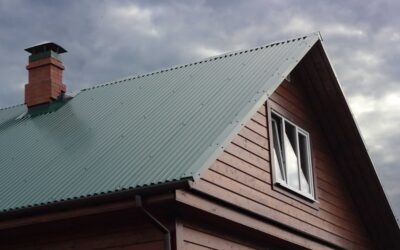
These panels have a wavy pattern and are generally more affordable. They offer durability and are easier to install.
4.3 Metal Shingles
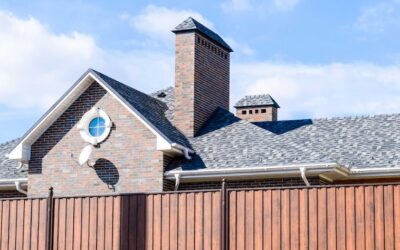
Metal shingles mimic traditional shingles but with metal’s benefits. They provide a familiar look with enhanced performance.
4.4 Stone-Coated Metal Roofing
This type has a metal base coated with stone granules, combining durability with aesthetics similar to asphalt shingles.
5. Materials Needed for the Transition
The transition requires several materials to ensure durability and waterproofing:
- Metal Roofing Panels/Shingles: Choose based on style and budget.
- Underlayment: A waterproof layer between the metal and roof deck or shingles, usually synthetic or felt paper.
- Furring Strips (Optional): Wooden or metal strips to create a ventilation gap between shingles and metal panels.
- Flashing: Metal strips used around roof edges, valleys, chimneys, and vents to prevent leaks.
- Fasteners: Corrosion-resistant screws or nails designed for metal roofing.
- Drip Edge: Installed along roof edges to guide water away.
- Sealants: High-quality roofing sealants for joints and flashing.
- Roofing Tape or Membrane: For extra waterproofing at seams or vulnerable points.
6. Step-by-Step Guide to Shingle to Metal Roof Transition
Step 1: Inspection and Preparation
- Inspect roof deck and shingles. Repair or replace damaged areas.
- Remove loose shingles or debris.
Step 2: Decide on Overlay or Tear-Off
- For overlay, ensure shingles are in good shape and no more than one layer.
- For tear-off, remove shingles completely to expose roof decking.
Step 3: Install Underlayment
- Lay synthetic or felt underlayment over the deck or shingles to add a moisture barrier.
Step 4: Install Furring Strips (if overlay)
- Attach furring strips vertically over shingles to create airflow and a fastening surface.
Step 5: Install Drip Edge
- Attach drip edge along eaves and rakes to direct water off the roof.
Step 6: Install Metal Panels or Shingles
- Begin at the eave, overlapping panels or shingles according to manufacturer specs.
- Use corrosion-resistant screws, fastening in designated spots.
Step 7: Flashing Installation
- Install step flashing around chimneys, vents, and walls.
- Use valley flashing where roof slopes meet.
Step 8: Seal All Joints and Fasteners
- Apply sealants on seams, flashing edges, and fasteners to prevent leaks.
Step 9: Final Inspection
- Check for loose fasteners, gaps, or other issues.
7. Flashing and Edge Treatment for a Water-Tight Seal
Flashing is critical to preventing leaks, especially in a roof transition.
- Step Flashing: Installed where the roof meets vertical walls.
- Drip Edge: Directs water off the roof edge.
- Valley Flashing: Covers valleys where two roof slopes meet.
- Ridge Caps: Cover roof peaks to seal seams.
- Vent Flashing: Prevents leaks around roof vents.
Using metal flashing compatible with your metal roofing material ensures longevity and waterproofing.
8. Common Challenges During the Transition and How to Overcome Them
8.1 Uneven Surface
Shingles create an uneven base. Installing furring strips can level the surface for metal panels.
8.2 Ventilation Issues
Overlaying can trap moisture. Ensure proper ventilation with ridge vents or soffit vents.
8.3 Compatibility Problems
Not all metal roofing styles suit every shingle type. Research compatibility before buying.
8.4 Fastener Penetrations
Incorrect fastening can cause leaks. Use proper fasteners and sealants.
8.5 Building Code Compliance
Consult local codes early to avoid surprises. Building codes
9. Cost Considerations: Shingle to Metal Roof Transition
Costs vary depending on:
- Roof size and complexity
- Tear-off vs. overlay
- Metal roofing type and quality
- Additional repairs or structural reinforcements
- Labor costs in your area
Typical cost range:
- Overlay: \$7 to \$12 per square foot
- Full Tear-Off and Metal Roof Installation: \$10 to \$20+ per square foot
While metal roofs have higher upfront costs, their longevity and energy savings often justify the investment.
10. Benefits of Metal Roofing After Transition
- Improved Home Value: Metal roofs increase resale value.
- Energy Efficiency: Reflective metal reduces cooling bills.
- Fire Resistance: Metal is non-combustible.
- Weather Resistance: Withstands high winds, hail, and snow loads.
- Low Maintenance: Requires less frequent repairs.
- Aesthetic Appeal: Wide variety of styles and colors.
11. Maintenance Tips for Metal Roofs Post-Transition
- Regular Inspections: Check for loose panels, damaged flashing, and fasteners.
- Clean Gutters and Drainage: Prevent water buildup.
- Remove Debris: Clear leaves, branches, and dirt from roof surface.
- Touch Up Paint: Prevent corrosion on scratches or exposed metal.
- Seal Seams: Reapply sealant as needed.
12. Frequently Asked Questions (FAQs)
Q: Can I install metal roofing over existing shingles?
A: Yes, if the shingles are in good condition and local codes allow it, but proper preparation like adding furring strips is essential.
Q: How long does a metal roof last?
A: 40 to 70 years, depending on material and maintenance.
Q: Does a metal roof make noise during rain?
A: Proper underlayment and insulation minimize noise.
Q: Is a metal roof more expensive than shingles?
A: Yes, but metal roofs last longer and can save on energy costs.
Q: Can I install solar panels on a metal roof?
A: Yes, metal roofs are ideal for solar installations due to durability.
13. Conclusion
Transitioning from a shingle roof to a metal roof is a smart investment in your property’s durability, energy efficiency, and aesthetic appeal. Whether you opt for a full tear-off or an overlay, understanding the materials, installation steps, and common challenges will ensure a smooth and successful transition.
Metal roofs offer unmatched longevity and protection, making them worth the upfront cost and effort. To achieve the best results, hire experienced roofing professionals who understand the nuances of shingle to metal roof transitions.
Ready to upgrade your roof? Contact a trusted roofing contractor today to explore your options and get started on your metal roofing project!