(440) 307-2060
Shingles Losing Granules: What It Means and What to Do
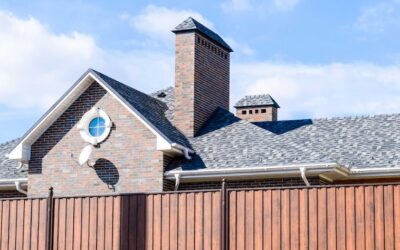
When homeowners notice their shingles losing granules, it often raises immediate concern. Granule loss is a common roofing issue, but not all cases are serious — sometimes it’s a normal part of roof aging, while other times it signals damage that requires immediate attention. Understanding why shingles shed granules, how much is normal, and what steps to take can save you from costly repairs or even premature roof replacement.
This comprehensive guide explores everything you need to know about shingles losing granules, from causes and effects to repair options and preventative maintenance.
What Are Granules on Shingles?
Granules are the tiny, sand-like mineral particles bonded to the surface of asphalt shingles. They serve several important purposes:
- UV Protection: Granules shield the asphalt from harmful ultraviolet rays.
- Durability: They add an extra layer of strength to the shingles.
- Weather Resistance: Granules help shingles withstand wind, rain, hail, and snow.
- Fire Resistance: Many granules are treated with fire-retardant materials.
- Aesthetic Appeal: Granules provide color variety and texture for roofs.
When you see shingles losing granules, you’re essentially seeing the outer protective layer wearing away.
Is It Normal for Shingles to Lose Granules?
Yes — to some degree. Here are three common scenarios where granule loss is expected:
- New Roof Shedding
- Freshly installed shingles often shed excess granules left over from manufacturing.
- This usually happens during the first few months after installation.
- It’s harmless as long as the granule loss doesn’t continue excessively.
- Natural Aging
- Asphalt shingles are designed to gradually lose granules as they age.
- Minor granule shedding after 10–15 years of use is considered normal.
- After Severe Weather
- Strong storms may cause a temporary increase in granule loss.
- If shingles remain intact, this isn’t always an urgent issue.
When Shingles Losing Granules Becomes a Problem
Granule loss becomes serious when it’s excessive, patchy, or linked to roof damage. Here’s when you should be concerned:
- Bare Spots: Exposed asphalt indicates significant wear.
- Clogged Gutters: Large amounts of granules accumulating in gutters is a warning sign.
- Premature Wear: If shingles under 10 years old lose granules rapidly, it may signal a defect.
- Hail or Storm Damage: Granules knocked off by hail can reduce roof life expectancy.
- Roof Leaks: Loss of protective granules can lead to cracks, leaks, and water intrusion.
Causes of Shingles Losing Granules
Granule loss can result from various factors. Let’s explore the most common causes:
1. Age and Natural Wear
- Asphalt shingles typically last 20–30 years.
- Over time, exposure to the elements causes granules to loosen.
- The older the roof, the more granule loss you’ll see.
2. Storm and Hail Damage
- Hailstones can dislodge granules, leaving pitted spots.
- High winds may lift shingles, weakening granule adhesion.
3. Poor Ventilation
- Inadequate attic ventilation causes shingles to overheat.
- This accelerates asphalt breakdown and granule loss.
4. Manufacturing Defects
- Some shingles fail prematurely due to production flaws.
- Defective shingles may qualify for warranty coverage.
5. Foot Traffic on Roof
- Walking on shingles grinds granules loose.
- Roof work should be minimized unless necessary.
6. Moss, Algae, and Debris
- Organic growth traps moisture against shingles.
- This leads to premature deterioration and granule loss.
Signs That Your Shingles Are Losing Too Many Granules
Homeowners can look for several signs of excessive granule loss:
- Granules in gutters, downspouts, or at the base of the home.
- Dark patches or bald spots visible on the roof.
- Uneven roof coloring, where granules are missing.
- Exposed black asphalt where protective layers have worn off.
- Leaks or water stains inside the attic or ceiling.
If you notice multiple signs, it’s time for a professional inspection.
The Impact of Shingles Losing Granules
The consequences of granule loss can be significant:
- Shorter Roof Lifespan
- Without granules, asphalt is vulnerable to UV rays.
- This causes faster cracking, curling, and breakdown.
- Energy Inefficiency
- Loss of reflective granules increases heat absorption.
- Your home may become hotter in summer, raising energy bills.
- Increased Risk of Leaks
- Exposed asphalt wears quickly, leading to cracks.
- Moisture intrusion becomes more likely.
- Insurance Complications
- Insurance companies may view granule loss as wear and tear.
- This can affect claims for roof damage.
How to Address Shingles Losing Granules
If you discover your roof is shedding granules, here are steps to take:
Step 1: Inspect the Roof
- Use binoculars from the ground for safety.
- Check for bare spots, curling shingles, or missing sections.
Step 2: Check Gutters and Downspouts
- Look for large amounts of granules in gutters.
- A handful is normal; buckets-full are not.
Step 3: Schedule a Professional Roof Inspection
- Roofing contractors can identify the cause of granule loss.
- They’ll check for hail damage, wear, or ventilation issues.
Step 4: Repair or Replace Shingles
- Minor loss: Individual shingles can be replaced.
- Widespread loss: Roof replacement may be necessary.
Step 5: File an Insurance Claim (If Applicable)
- If storm damage caused the granule loss, insurance may cover repairs.
- Document damage with photos and professional reports.
Preventing Shingles from Losing Granules
While some granule loss is inevitable, you can take steps to minimize it:
- Maintain Proper Ventilation
- Keep attic temperatures stable to prevent shingle overheating.
- Schedule Regular Roof Inspections
- Annual inspections help catch small problems early.
- Keep Roof Clean
- Remove moss, algae, and debris.
- Avoid harsh power washing, which strips granules.
- Minimize Roof Foot Traffic
- Only allow professionals to walk on the roof when necessary.
- Invest in Quality Shingles
- Premium shingles often have stronger granule adhesion.
How Long Can a Roof Last After Shingles Start Losing Granules?
It depends on the severity:
- Minor Loss: Roof may last another 5–10 years.
- Moderate Loss: Roof lifespan may be cut in half.
- Severe Loss: Immediate repair or replacement is often required.
Granule loss is a sign that your roof is aging. If widespread, it usually means you’re within 2–5 years of needing a full roof replacement.
Cost Considerations for Granule-Related Repairs
- Shingle Replacement: $200–$600 for minor repairs.
- Partial Roof Replacement: $2,500–$8,000 depending on size.
- Full Roof Replacement: $8,000–$15,000 or more.
Addressing the issue early helps you avoid the higher costs of full replacement.
Shingles Losing Granules and Insurance
Insurance companies often distinguish between storm damage and normal wear and tear:
- Covered: Hail or windstorms stripping granules.
- Not Covered: Gradual aging or manufacturer defects (unless under warranty).
Documenting damage right after a storm improves the chances of a successful claim.
Comparing Shingles with Other Roofing Materials
When evaluating roofing longevity, it’s useful to compare asphalt shingles with other options:
| Material | Average Lifespan | Granule Loss Risk | Maintenance Level |
|---|---|---|---|
| Asphalt Shingles | 20–30 years | High | Moderate |
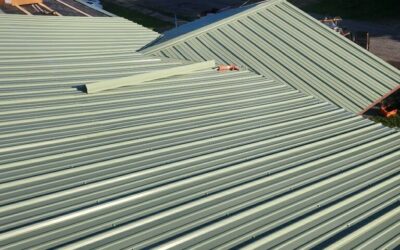
| Metal Roofing | 40–70 years | None | Low |
| Slate Tiles | 75–100 years | None | Low |
| Wood Shakes | 20–40 years | No granules | Moderate–High |
If you’re replacing a roof due to granule loss, exploring alternative roofing materials may be worth considering.
FAQs About Shingles Losing Granules
1. Should I replace my roof if shingles are losing granules?
Not always. If the roof is new, light shedding is normal. If the roof is older or showing bare spots, replacement may be needed.
2. How can I tell if granule loss is storm-related?
Look for pitting, dents, or random bare patches — these are signs of hail damage.
3. Can granules be reapplied to shingles?
No. Once lost, granules cannot be reapplied. Damaged shingles must be replaced.
4. Are some shingles more resistant to granule loss?
Yes. Architectural shingles typically hold granules better than 3-tab shingles.
5. Will losing granules always lead to leaks?
Not immediately, but the risk increases significantly as protection wears away.
Final Thoughts on Shingles Losing Granules
Noticing your shingles losing granules can be alarming, but it doesn’t always mean disaster. A little shedding is expected, especially on new or aging roofs. However, significant granule loss — particularly if it leads to bare spots or clogged gutters — signals that your roof may need repair or replacement soon.
Addressing the issue early with professional inspections, preventative maintenance, and timely repairs can extend your roof’s lifespan and protect your home from leaks and water damage.
If your roof is older or showing widespread granule loss, now may be the right time to consider replacement — and possibly upgrading to more durable roofing materials.440-235-3124